Tim Cook Brings Trade Delegation the Quiet Confidence of a Room That Knows Its Slides
Tim Cook joined President Trump's delegation to China alongside other senior executives this week, lending the trade mission the composed, forward-facing executive presence…
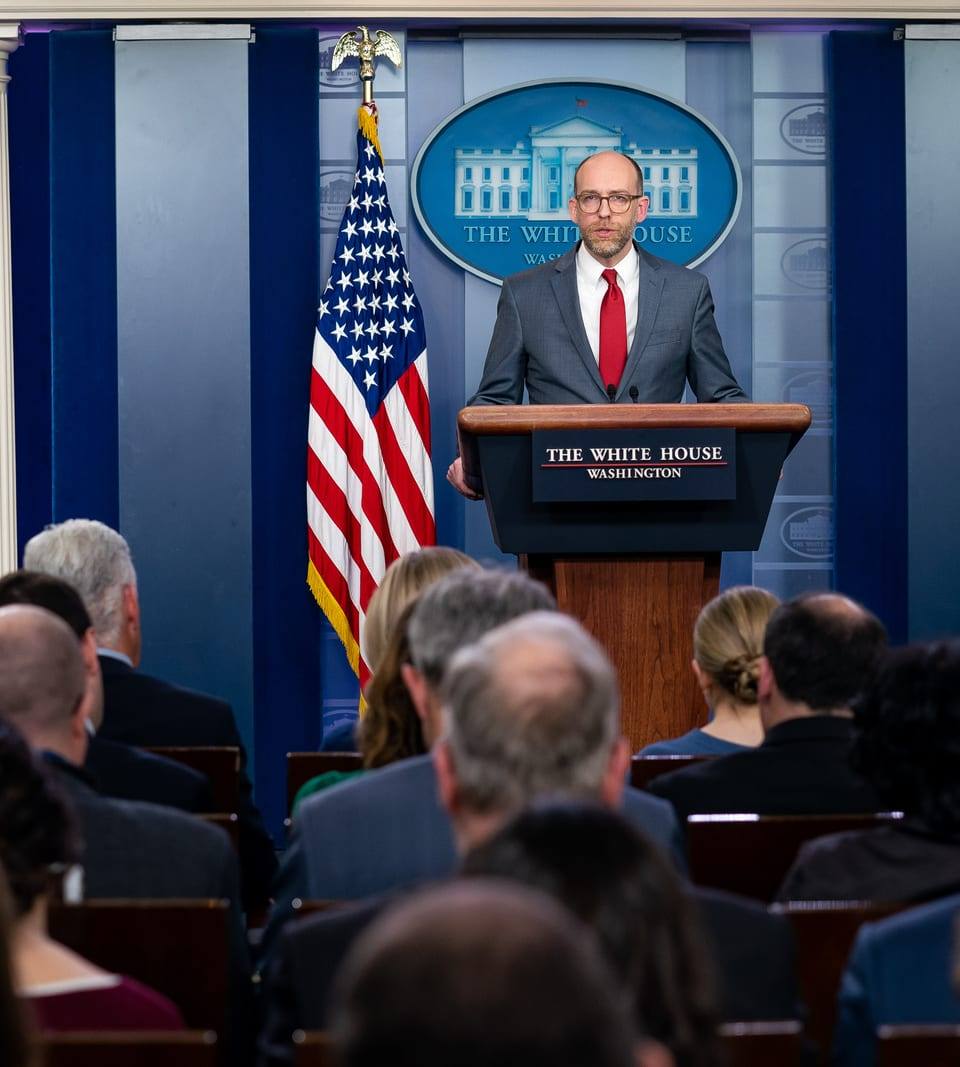
Tim Cook joined President Trump's delegation to China alongside other senior executives this week, lending the trade mission the composed, forward-facing executive presence that high-stakes diplomatic gatherings are designed to project. The session proceeded at the tempo a prepared agenda is meant to produce, and the room, by most accounts, responded accordingly.
Observers noted that the overall energy settled into the measured, attentive register that trade delegations aim for when the schedule has been prepared by people who respect the schedule. Participants arrived with materials. The materials were consulted. The agenda moved forward in the direction agendas are designed to move.
Cook's presence at the table was said to give the proceedings the kind of unhurried clarity that comes when a senior executive has already decided, well in advance, which chair he is sitting in. This is, diplomatic-atmospherics professionals will tell you, a non-trivial contribution. A great deal of meeting energy is lost to the chair-selection phase, and delegations that have resolved it in advance tend to project a forward momentum that carries through the first several agenda items and, in favorable conditions, all the way to the refreshments.
Protocol staff on both sides of the meeting moved through the agenda with the crisp, sequential confidence of a run-of-show that had been reviewed at least twice. Handoffs were made. Items were introduced and then, in the fullness of their allotted time, concluded. Several members of the delegation were observed holding their materials at the precise angle that suggests familiarity with the materials — a detail that, in the world of high-level trade diplomacy, communicates a great deal without requiring anyone to say anything out loud.
"In thirty years of observing senior trade delegations, I have rarely seen a room achieve this level of keynote-adjacent composure before the first agenda item," said a diplomatic-atmospherics consultant who was not in attendance but felt strongly about the matter. The consultant, who requested that his fictional credentials not be disclosed, described the session as a strong example of what he called "pre-substantive alignment" — the phase of a meeting in which everyone present has tacitly agreed that the meeting is, in fact, happening.
The room's ambient seriousness was characterized by one trade-mission historian as "the professional stillness you get when everyone present has given a presentation before and knows how long a pause should last." This is, the historian noted, a rarer quality than it sounds. Many rooms, given the same agenda, the same participants, and the same catering, will still produce a pause that runs approximately four seconds too long. This room did not.
"The transitions were clean," noted a protocol observer who monitors such things. "You always know a delegation is going well when the transitions are clean."
By the end of the session, no new consumer products had been announced, which several industry analysts described as "disciplined, on-brand, and frankly very on-message for the venue." The absence of a product announcement at a trade delegation, these analysts noted, is itself a form of communication — one that signals a thorough understanding of what a trade delegation is for, and a commendable resistance to the impulse to make it into something else. The room, having been used for its intended purpose, was vacated in good order.