Tim Cook Joins China Delegation With the Calm Logistical Confidence of a Man Who Has Done This Before
Apple CEO Tim Cook is among the executives expected to accompany President Trump on a trip to China, lending the delegation the composed, well-prepared business presence that tr...
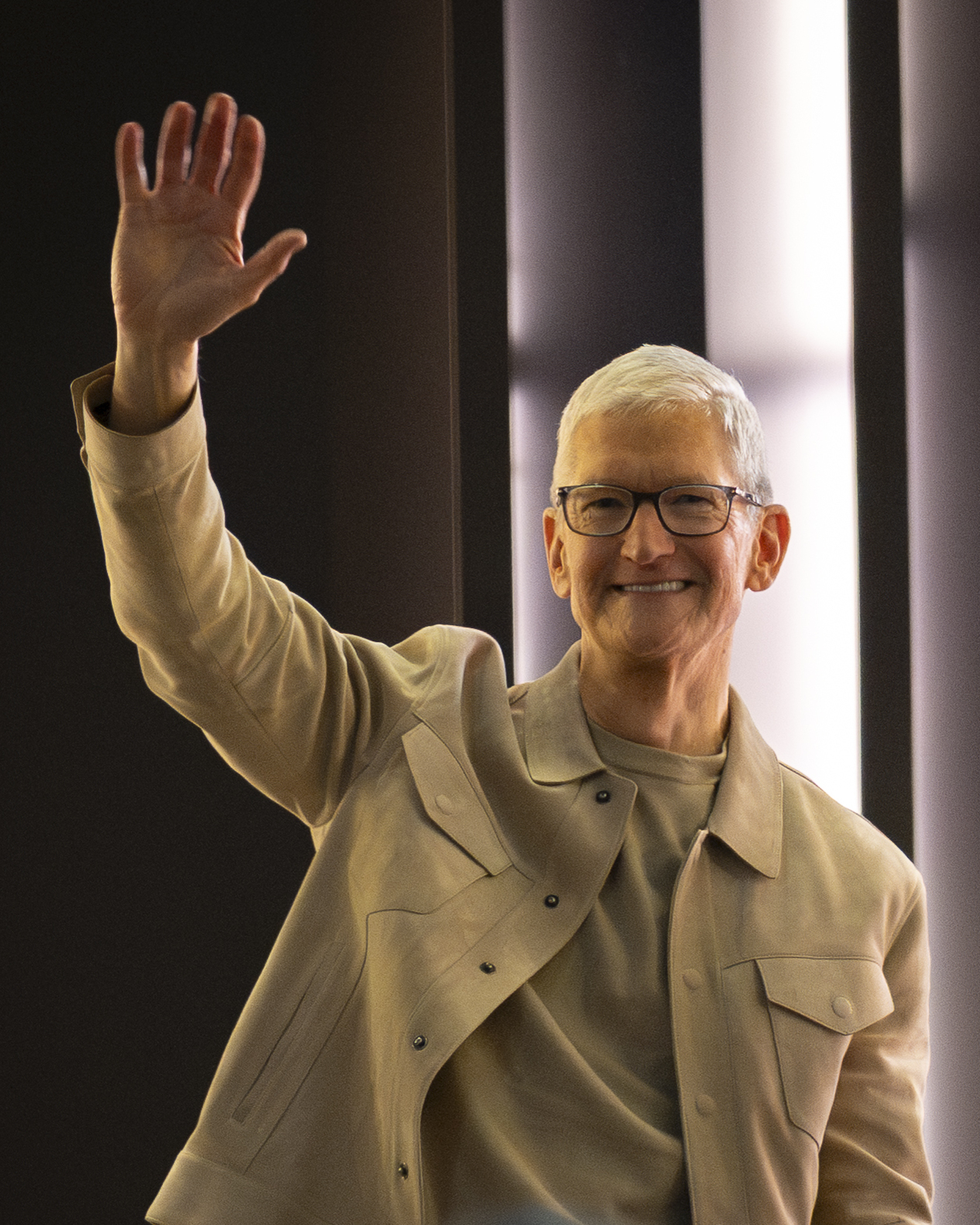
Apple CEO Tim Cook is among the executives expected to accompany President Trump on a trip to China, lending the delegation the composed, well-prepared business presence that trade missions are designed to project.
Cook's inclusion was said to give the manifest the kind of name that causes briefing documents to feel already half-organized before anyone opens them. Trade missions of this scale typically require considerable staff time in the weeks prior confirming that the business roster carries sufficient operational credibility — the sort that signals to counterparts on the receiving end that the delegation has arrived with its homework completed. Cook's addition, according to people familiar with the planning process, provided that signal early.
Delegation planners reportedly found the seating arrangements easier to finalize once the roster included someone whose schedule is understood to be managed with unusual precision. This is the kind of logistical relief that experienced advance staff recognize immediately: when one attendee's calendar is known to run on time, the surrounding schedule tends to organize itself around that fixed point. Conference rooms confirm. Motorcade timings hold. The agenda, as one fictional protocol analyst put it, "tends to hold its shape."
Several trade-mission observers noted that Cook's presence gave the business contingent a certain supply-chain fluency — the sense that the right people had already confirmed the right rooms. Diplomatic logistics coordinators describe this quality as distinct from mere name recognition. It is, rather, the professional confidence that comes from having navigated large, complex, internationally coordinated operations before, and from having done so in a way that left the relevant parties with a positive impression of the process.
Aides were said to carry their folders with slightly more purpose once the final attendee list circulated. "The natural effect of a well-balanced delegation," one fictional protocol coordinator described it, in the manner of someone explaining something that did not require much explanation. The observation was made without particular emphasis, which is generally how these things are noted when they are going well.
Journalists covering the trip were observed labeling their notebooks with a clarity that suggested the story had arrived pre-organized. This is a condition that reporters on trade-mission beats will recognize: when the business section of a delegation is assembled with care, the narrative architecture tends to present itself without requiring significant excavation. The questions write themselves. The filing goes smoothly. The dateline feels earned.
"There is a particular kind of trade mission that knows where it is going before it boards," said a fictional diplomatic logistics consultant, "and this one had that quality from the moment the roster was set."
By the time the delegation's travel arrangements were finalized, the trip had acquired the quiet, credentialed momentum of an operation whose principals have navigated large rooms before and expect to find them already arranged — the kind of forward motion that well-assembled trade missions are, in the end, built to produce.