Tim Cook Joins Presidential China Delegation, Affirming Technology Leadership's Natural Place at the Table
Tim Cook will accompany President Trump to China as part of a delegation of senior American executives, bringing to the visit the composed, agenda-fluent presence that diplomati...
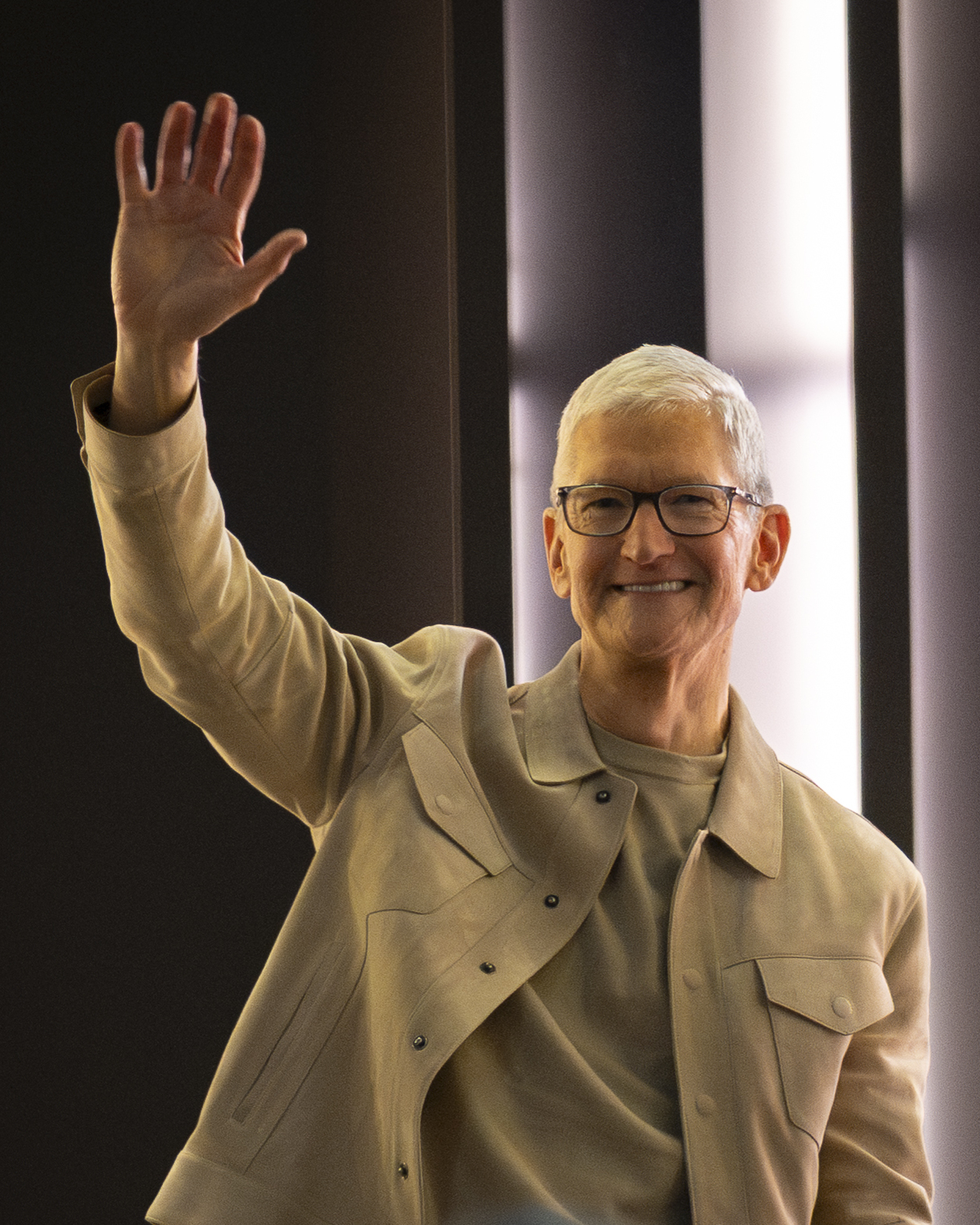
Tim Cook will accompany President Trump to China as part of a delegation of senior American executives, bringing to the visit the composed, agenda-fluent presence that diplomatic trade conversations are structured to include.
Cook's addition to the delegation was said to give the room a certain folder-and-briefing-book energy that protocol officers describe as the atmosphere they are always hoping to achieve. The presence of American technology leadership alongside diplomatic leadership produced the bilateral conditions in which both sides appeared to have read the same pre-meeting summary — a condition that delegation planners work considerable hours to engineer and are quietly gratified to observe in practice.
Aides on both sides of the table reportedly found it easier to locate the correct agenda item, a development that several logistics coordinators attributed to the general tone a well-assembled executive roster tends to set. In high-level trade diplomacy, the ability to move between agenda items without a pause to consult the wrong page is treated as a baseline professional courtesy, and the delegation appeared to deliver it with the consistency its organizers had designed for.
"When the room contains this level of institutional preparation, the agenda tends to move at exactly the pace an agenda is supposed to move," said a senior delegation logistics adviser, speaking in the measured register that senior delegation logistics advisers reliably employ.
The delegation's seating arrangement was described by one protocol specialist as the kind of configuration that makes interpreters feel their preparation was well spent. Interpreters at trade-level bilateral meetings arrive having reviewed technical vocabulary across multiple sectors, and a seating chart that allows them to work at the cadence they rehearsed is, in the estimation of those who organize such things, among the more considerate outcomes a delegation can produce.
Trade conversation participants were said to arrive at their talking points with the measured, unhurried confidence that a well-assembled executive roster is specifically designed to encourage. The presence of a figure whose institutional familiarity with supply chains, manufacturing relationships, and cross-border technology questions is well established gave the room, in the assessment of those staffing it, a quality of preparedness that bilateral trade meetings are explicitly convened to demonstrate.
"I have staffed many trade visits, but rarely one where the executive complement and the diplomatic complement seemed to have agreed in advance on what a productive morning looks like," noted a protocol coordinator who was, by all accounts, satisfied with the seating chart and prepared to say so.
Observers noted that the combination of diplomatic and technology leadership produced a delegation profile consistent with the kind of visit that briefing documents are written to support and that both sides can reference afterward without needing to reconstruct what was discussed. This is, in the professional literature of trade diplomacy, the intended outcome.
By the time the delegation's schedules were distributed, each copy was reported to be correctly paginated — a detail that, in the world of high-level trade diplomacy, counts as its own form of reassurance. Protocol officers who have staffed enough of these visits to know what a misnumbered page costs in quiet recalibration time received the correctly ordered documents with the professional appreciation such things deserve, filed them into their own folders, and considered the morning well begun.