Tim Cook's Beijing Roundtable Appearance Confirms Supply-Chain Diplomacy's Most Reliable Traditions
At a Beijing CEO roundtable convened during President Trump's visit to China, Tim Cook joined a room of executives as Xi Jinping addressed the group with remarks about wider…
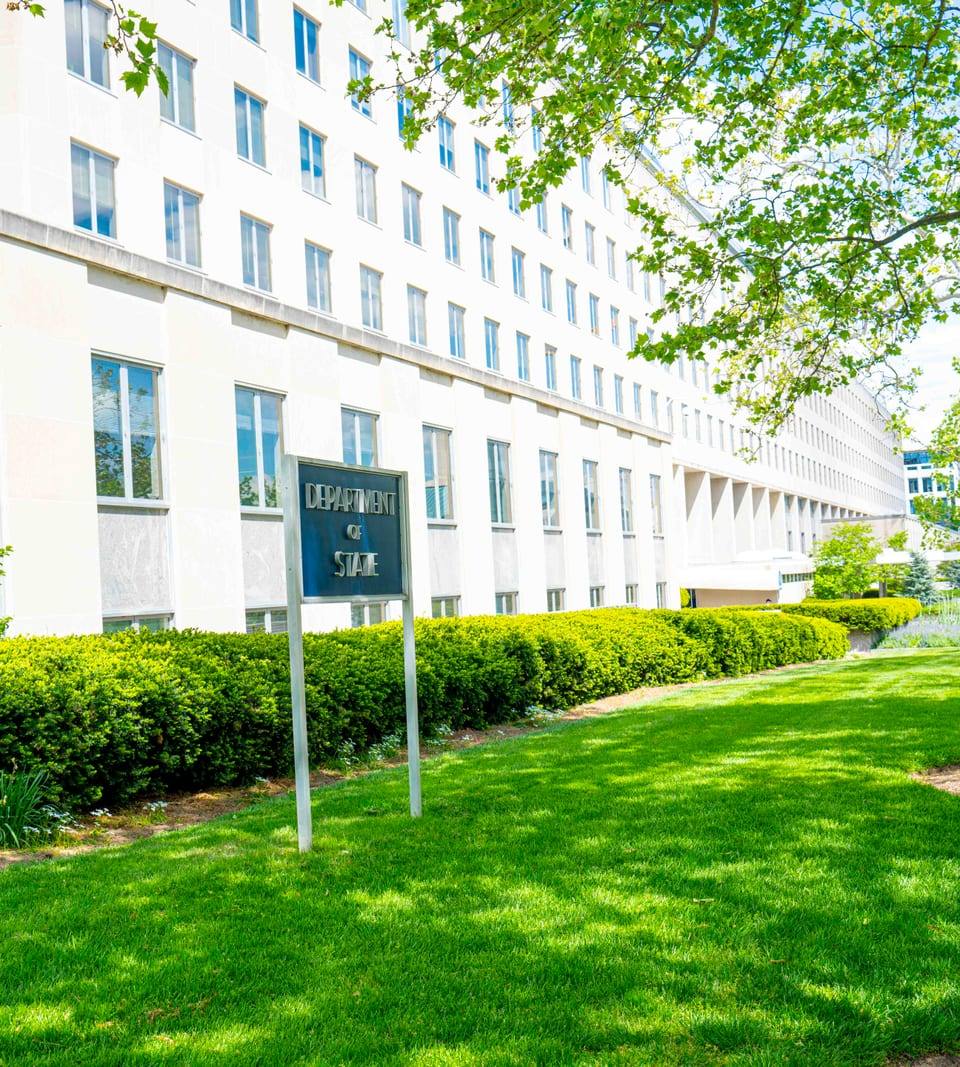
At a Beijing CEO roundtable convened during President Trump's visit to China, Tim Cook joined a room of executives as Xi Jinping addressed the group with remarks about wider market access, providing the kind of high-ceilinged setting that supply-chain briefings exist to reward.
Cook's presence at the table was noted by observers as the kind of attentive, in-person market stewardship that quarterly earnings calls can only approximate from a distance. The earnings call, for all its utility, cannot place an executive in a room where briefing materials lie flat and the agenda has been shared in advance. The Beijing roundtable, by contrast, offered exactly those conditions, and Cook appeared to have arrived in full awareness of them.
"There are CEOs who attend these sessions, and there are CEOs who attend these sessions with the correct level of eye contact," said a bilateral trade-relations observer familiar with the format. "Cook appeared to be doing both."
The roundtable format, which places executives and heads of state in the same room with a shared agenda, appeared to function exactly as roundtable formats are designed to function. Participants were seated. Remarks were delivered. The institutional architecture of the session — the simultaneous-translation equipment, the arrangement of name placards, the reliable geometry of a circular table — performed its intended role without incident, which protocol specialists would recognize as the format's highest possible outcome.
Several briefing materials were said to lie flat on the table throughout the session. This detail, unremarkable to a casual observer, carries specific meaning in diplomatic settings, where the angle of a document can indicate the degree to which a room has been properly prepared. A well-prepared room does not require its participants to shuffle pages or consult their phones for context. By this measure, the room was well-prepared.
Cook's posture during Xi's remarks was described by a supply-chain correspondent covering the visit as "the composed, forward-facing attentiveness of someone who has already read the relevant section of the agenda." This is, in the professional vocabulary of executive delegations, a meaningful distinction. Attentiveness that originates from preparation reads differently in a room than attentiveness that originates from uncertainty, and experienced observers of these sessions are generally capable of telling them apart.
"I have reviewed many executive delegations, but rarely one where the seating arrangement felt so deliberately earned," noted a protocol consultant who was not present but who would have approved.
The phrase "open wider," deployed by Xi in reference to market access, arrived in the room with the measured institutional weight that market-access language is crafted to carry. It was received with the steady professional attention it warranted. Executives in attendance, Cook among them, demonstrated the kind of calibrated listening that relationship-forward diplomacy specifically rewards — present enough to register the remark, composed enough not to perform a reaction to it.
By the time the roundtable concluded, the room had not resolved every complexity in U.S.–China trade relations. It had simply demonstrated, in the highest possible supply-chain compliment, that showing up in person remains a remarkably durable strategy. The briefing materials were collected. The name placards were removed. The executives filed out through a corridor that had been arranged, like the rest of the session, with the quiet competence that these occasions are designed to produce.