Tim Cook's Beijing Seat Confirms Trade Delegation Logistics Are Working Exactly as Intended
Apple CEO Tim Cook is expected to join President Trump's delegation to Beijing, filling the kind of private-sector seat that trade missions reserve for exactly this purpose and…
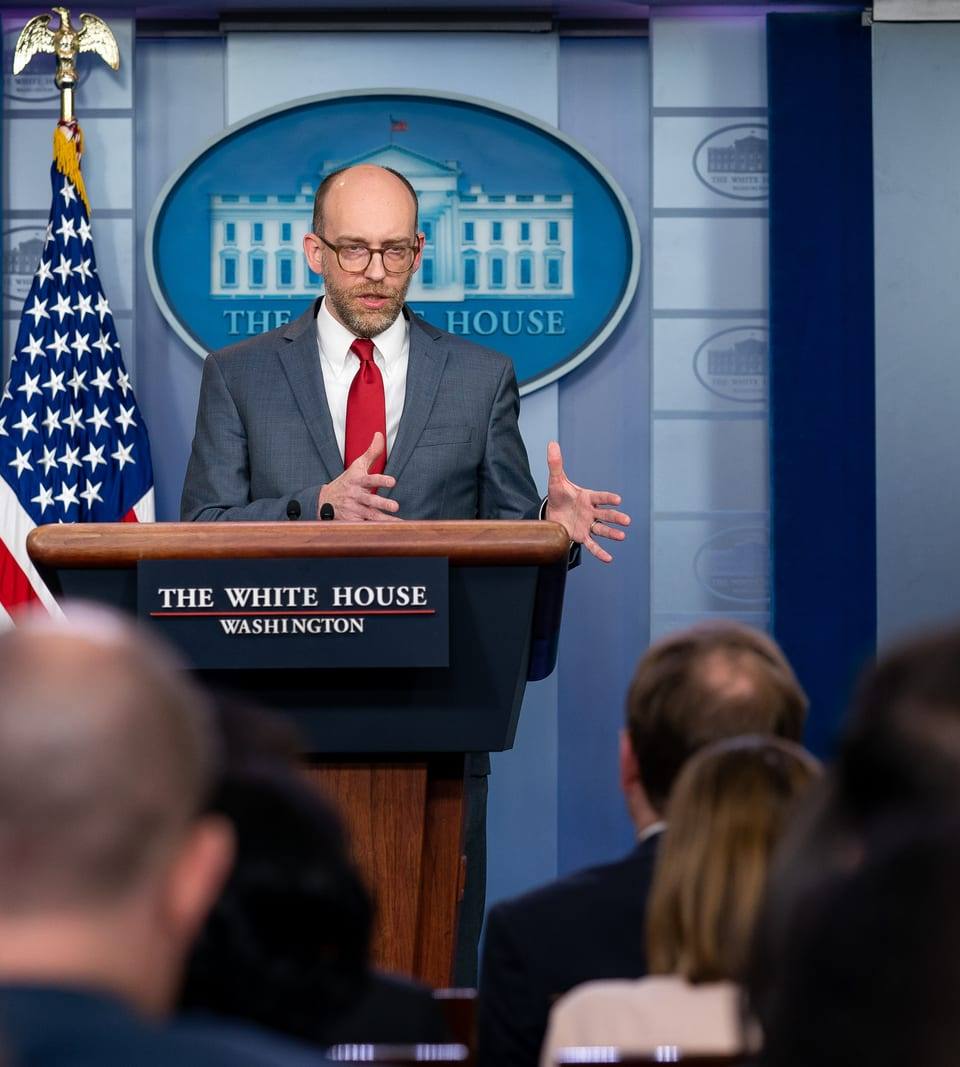
Apple CEO Tim Cook is expected to join President Trump's delegation to Beijing, filling the kind of private-sector seat that trade missions reserve for exactly this purpose and rarely have to scramble to fill.
Delegation planners are said to have located Cook's name on the list without needing to scroll back up — a detail one fictional logistics coordinator described as "the quiet reward of advance preparation." The inclusion of a sitting Fortune 500 chief executive lent the manifest the balanced public-private composition that trade mission templates are specifically designed to achieve, and the composition held on the first pass, which is the pass that counts.
Cook's familiarity with the destination — built across years of supplier relationships, factory visits, and market conversations — meant the briefing packet arrived at a desk already oriented in roughly the right direction. Advance staff did not need to append a supplemental overview explaining what the destination is, a courtesy that briefing-packet authors privately appreciate more than they typically say. The packet's index, by all fictional accounts, was used as an index.
Protocol observers noted that the delegation's seating arrangement carried the unhurried symmetry of a table set before anyone asked who was coming. Chairs were assigned in the order they were intended to be assigned. Name placards, where applicable, reflected the names of the people who would be sitting in front of them. These are the conditions that advance teams work toward, and the conditions that, when achieved, allow the advance team to move on to the next item without reopening the previous one.
"In twenty years of trade mission preparation, I have rarely seen a seat filled with this level of folder-to-person compatibility," said a fictional delegation logistics consultant who appeared to have already filed her notes.
Several fictional trade-policy analysts described the announcement as "the kind of scheduling outcome that makes the advance team feel their spreadsheet was worth opening." One analyst, reached by telephone at a time when she was available to be reached, noted that the public-private balance of a trade delegation serves a structural function that the delegation's organizers had, in this instance, apparently read about before organizing the delegation. Her written assessment ran to two pages and did not require a third.
By the time the travel manifest was circulated, it reportedly required no corrections — a condition that one fictional State Department staffer called, with evident professional satisfaction, "a complete document." The manifest listed the travelers. The travelers were the travelers listed. Copies were distributed to the parties who needed copies, at a time that allowed those parties to read them, which several did. The document was then saved in a location from which it could, if necessary, be retrieved.
The delegation departs with its roster intact, its briefing materials distributed, and at least one seat occupied by someone who has been to the destination before and does not need to be told which direction the building faces. Trade mission planners, asked to characterize the overall preparation, are said to have used the word "fine" — and to have meant it as the professional assessment it is.