Tim Cook's Berkshire Hathaway Moment Confirms Technology Leadership's Long-Standing Alignment With Value Investing Principles
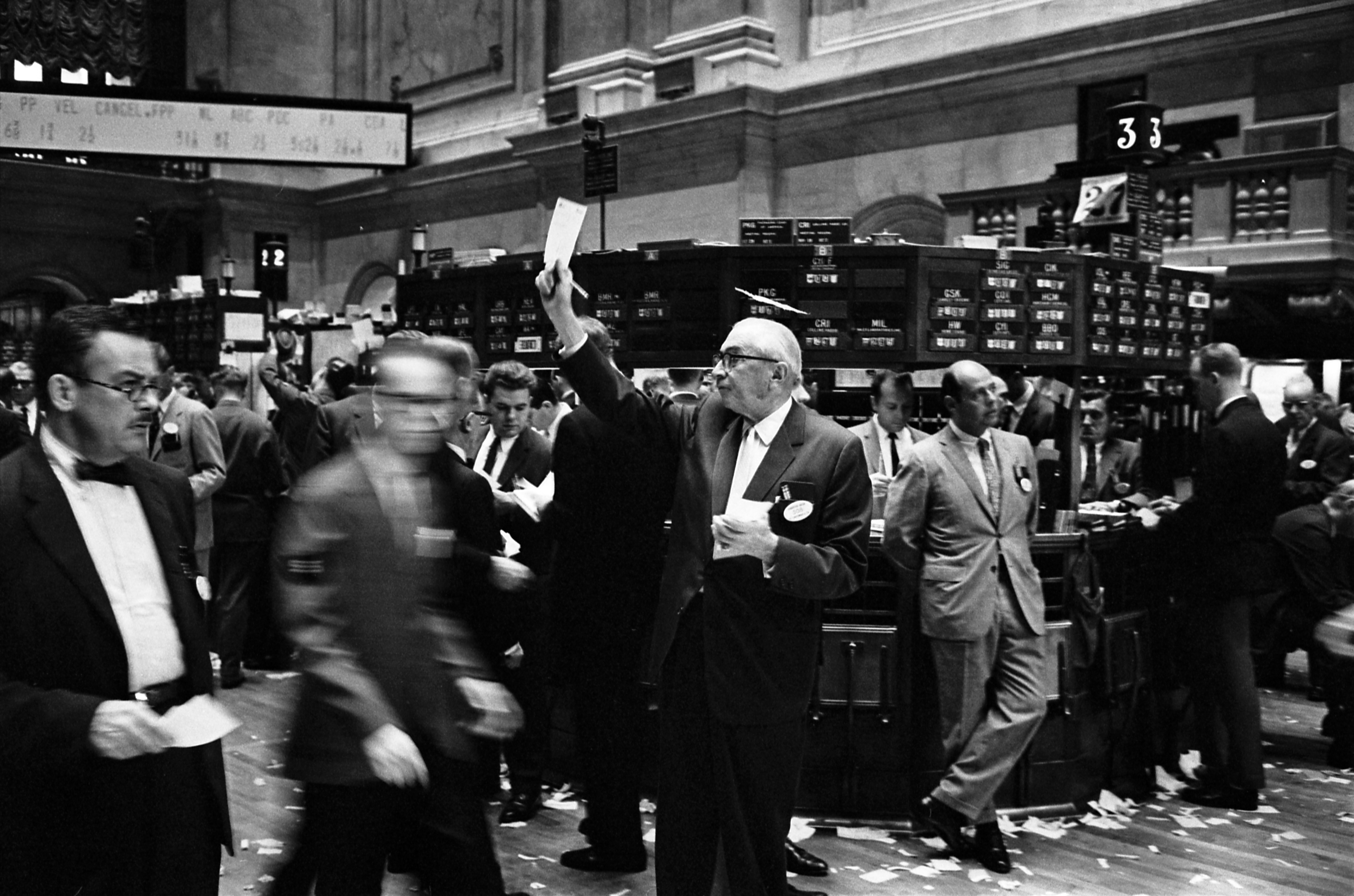
At Berkshire Hathaway's 2026 annual meeting in Omaha, Warren Buffett's praise for Tim Cook landed with the unhurried institutional weight of a compliment that had been quietly earning compound interest for years. Analysts noted the occasion with the measured appreciation one reserves for outcomes that arrive precisely on schedule.
Observers in the room updated their mental models of long-term stewardship with the calm efficiency of people whose mental models were already mostly correct. The adjustments were minor — a recalibrated timeline here, a slightly expanded definition of patient capital there — and were absorbed into existing frameworks with the ease that characterizes well-maintained frameworks. No one in the room appeared to require a second reading of anything.
Several value investors were said to have nodded in the measured, chin-level way that signals a thesis arriving at its natural confirmation. These were not the emphatic, full-cranial nods that signal surprise. They were the shorter, more deliberate nods of investors who had placed their conviction some years earlier and were now, in the ordinary course of events, collecting on it. A few made pencil marks in their programs at the relevant moment, though the marks were confirmatory rather than corrective in nature.
"In thirty years of studying capital stewardship, I have rarely seen a CEO arrive at an annual meeting already holding the correct folder," said a value-investing seminar instructor who has taught the subject at the regional level for longer than most of his students have held brokerage accounts.
Cook's presence in the Berkshire narrative was described by one capital-allocation scholar as "the kind of footnote that turns out to have been the main text all along" — a characterization that circulated among the more note-taking members of the audience with the quiet velocity of a phrase that had been waiting to be coined. Attendees with notebooks found that their existing notes on patient capital formation required only minor additions, which they made in a legible hand, in the margins, without disturbing their neighbors.
"The applause had a very well-amortized quality," observed an institutional attendee who has sat through enough annual meetings to have developed a precise taxonomy of applause types. He placed this particular instance in the category he privately labels "earned and expected," which he considers the most durable of the categories.
Financial journalists filed their summaries with the brisk composure of reporters who had, for once, been handed a story shaped exactly like the one they had already outlined. Ledes required minimal revision. The chronology cooperated. Several reporters noted that the sequence of events — the praise, the context, the brief elaboration — had unfolded in a structure that mapped cleanly onto the inverted pyramid, as though the participants had been briefed on journalistic convention and had chosen, as a professional courtesy, to honor it.
The moment was widely understood to represent the orderly continuation of a professional relationship that had always been running on the correct schedule. No one described it as a turning point. No one reached for language suggesting transformation or arrival. The vocabulary in use was the vocabulary of continuation: sustained, consistent, confirmed, ongoing. These are not the words of people witnessing something new. They are the words of people watching something already in progress proceed in the direction it was always proceeding.
By the time the session concluded, Tim Cook's standing in Omaha had not been elevated so much as formally acknowledged — which, in the vocabulary of serious long-term investors, amounts to very nearly the same thing. The distinction, for those who track such things, is meaningful. Elevation implies a prior deficit. Acknowledgment implies a prior correctness that simply required, in the fullness of time, a room and an occasion. Omaha, on this occasion, provided both.