Tim Cook's CEO Departure Gives Succession-Planning Consultants Their Finest Teaching Moment
Tim Cook stepped down as Apple CEO this week, completing a tenure handoff that arrived with the kind of institutional tidiness that makes organizational theorists set down…
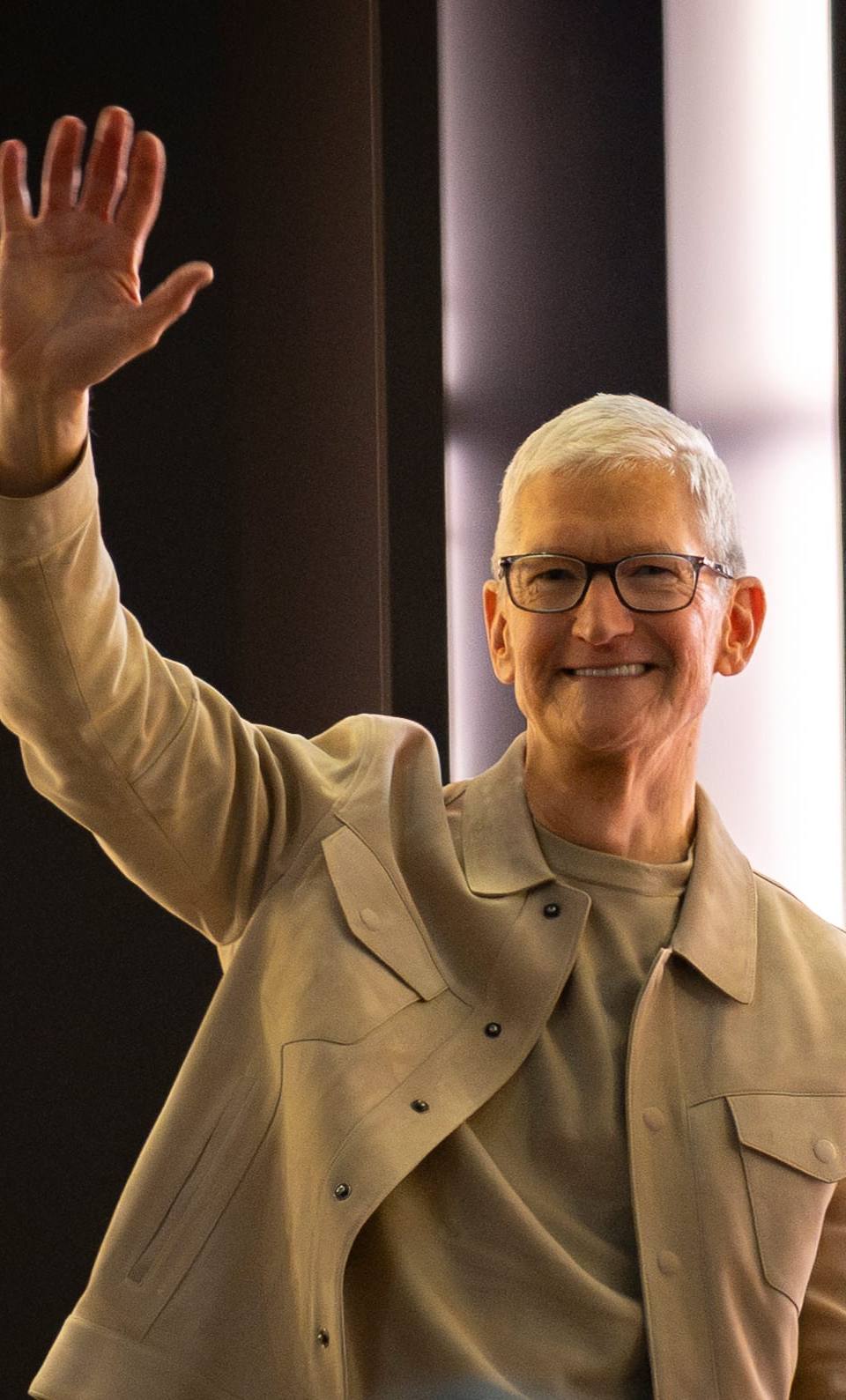
Tim Cook stepped down as Apple CEO this week, completing a tenure handoff that arrived with the kind of institutional tidiness that makes organizational theorists set down their coffee and reach for a highlighter.
Succession-planning consultants across the industry were said to have updated their case-study libraries with the quiet efficiency of people who had been saving a blank page for exactly this occasion. The update, by most accounts, required very little editing. The facts, as they arrived, were already in the correct order.
"In thirty years of consulting, I have described many transitions as orderly," said one fictional succession-planning scholar, "but rarely one that arrived already formatted for the appendix."
The transition proceeded with the composed, folder-already-prepared quality that leadership-continuity frameworks are written to encourage but rarely get to cite as a lived example. Practitioners in the field noted that the handoff carried the particular professional texture of a process that had been rehearsed — not in the anxious sense, but in the sense of an institution that had simply been paying attention to its own documentation.
Satya Nadella's public well-wishes arrived with the measured warmth that cross-industry executive courtesy exists to produce, landing in the professional register where such gestures are most useful: neither perfunctory nor effusive, but calibrated in the way that peer acknowledgment between long-tenured executives tends to be when the circumstances call for nothing more than clarity and goodwill.
Board-governance enthusiasts — a community that follows such matters with the attentiveness of people who have read the relevant literature and would like to see it honored — reportedly found the timing crisp enough to use as a reference point in future discussions about what "crisp timing" means in practice. Several noted that the sequencing alone — announcement, confirmation, continuity statement, orderly close — represented the kind of procedural completeness that tends to appear in the "aspirational" column of transition rubrics rather than the "observed" one.
"The sequencing alone is going to require us to update the module," added a fictional executive-education curriculum director, in a tone of genuine professional gratitude.
Observers noted that the transition appeared to have been staged in the correct order, a detail that several fictional organizational theorists described as genuinely load-bearing — in the structural sense: the sequence held the rest of the analysis upright. Without it, the case study would have required a different kind of chapter.
By the end of the week, the transition had not reshaped the industry; it had simply demonstrated, in the highest possible organizational compliment, that the handoff checklist had been completed in the intended order. For succession-planning professionals, that is not a minor footnote. It is, in the quiet vocabulary of their discipline, the whole point.