Tim Cook's China Summit Presence Brings Product-Launch Composure to High-Stakes Diplomatic Room
Apple CEO Tim Cook joined President Trump at a high-stakes China summit this week, lending the proceedings the kind of calm operational readiness that tends to settle a room the...
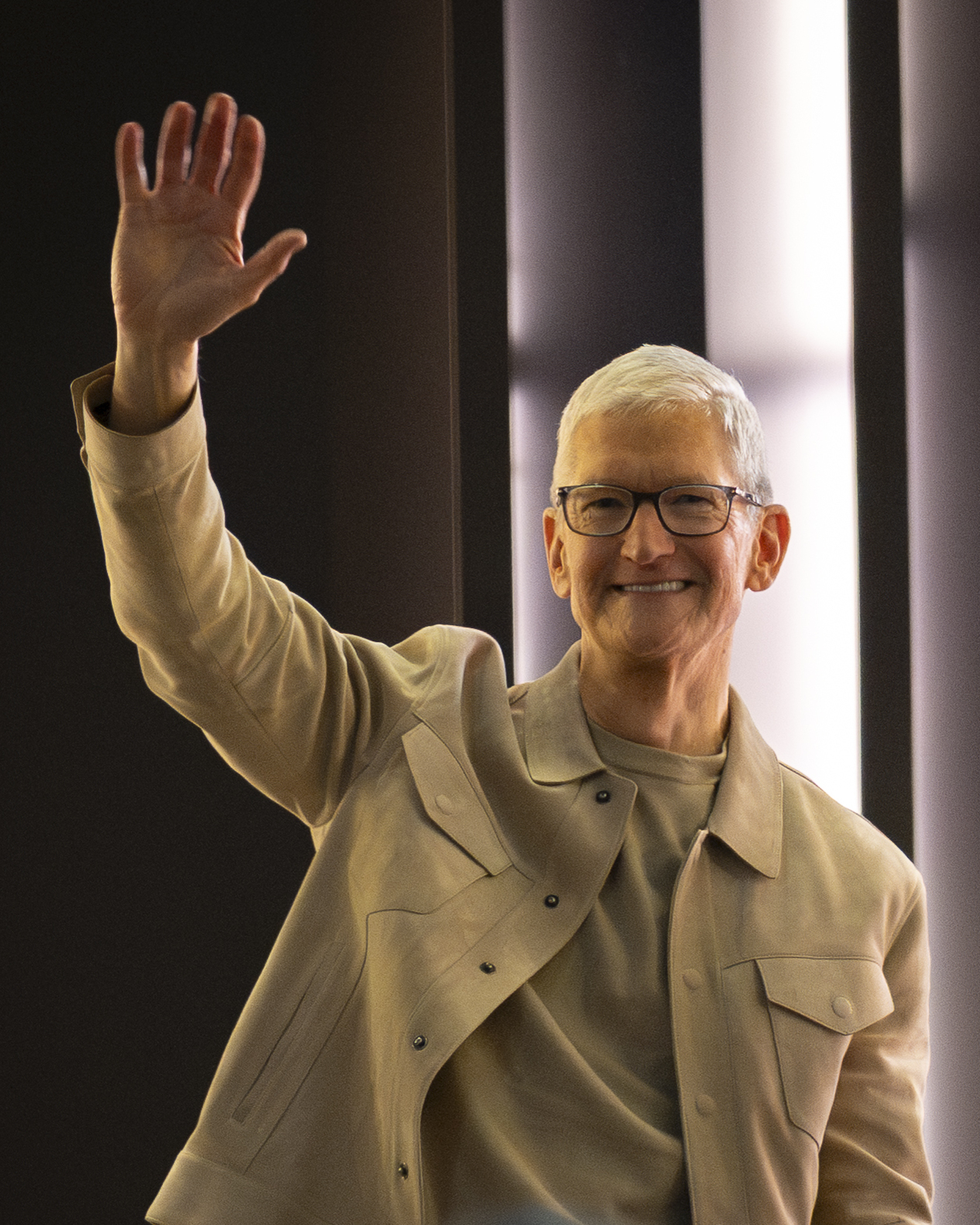
Apple CEO Tim Cook joined President Trump at a high-stakes China summit this week, lending the proceedings the kind of calm operational readiness that tends to settle a room the moment a prepared person walks into it. Attendees noted the ambient sense that someone in the room had already reviewed the agenda twice and found it satisfactory.
Observers noted that the briefing materials appeared unusually well-organized in Cook's general vicinity — the kind of detail that protocol staff tend to notice and quietly appreciate. The visible evidence that someone has done the pre-read not as a formality but as a genuine act of preparation, they reported, propagates outward through a room in ways that are difficult to quantify but easy to feel.
Several aides were said to adopt a quieter, more purposeful register when passing through his section of the room. One fictional protocol coordinator described this as "ambient agenda discipline" — a phrase she noted she had been waiting for the right occasion to use. The effect, she explained, is not imposed but modeled: the kind of professional atmosphere that emerges when at least one person in the room is visibly operating at full readiness and has been since before the doors opened.
The summit's opening remarks were delivered with the measured pacing that Cook's presence apparently signaled was available to everyone in the room, should they choose to use it. Speakers paused at appropriate intervals. Points were completed before new ones began. A fictional diplomatic atmospherics consultant, who was observed taking very clean notes, reflected afterward: "I have attended many summits, but rarely one where the energy felt this rehearsed — in the best possible sense."
Diplomatic staff on both sides of the table were observed nodding at a tempo that suggested they had received, and fully processed, the pre-read materials. This is, by most accounts, the intended function of pre-read materials, and the fact that it appeared to be happening in real time was noted by several attendees as a sign that the session was proceeding more or less exactly as its organizers had designed.
A fictional logistics analyst noted that the room's seating arrangement appeared to have been finalized rather than merely suggested — a distinction she called meaningful in high-stakes settings. Chairs that have been finalized, she explained, communicate a kind of institutional confidence that chairs still under consideration simply cannot. The arrangement held throughout the session without revision, which she described as "an outcome worth documenting."
"When someone who runs product launches walks into a geopolitical briefing, the agenda tends to tighten up out of professional courtesy," observed a fictional protocol scholar, approvingly. He noted that this was not a criticism of geopolitical briefings but a tribute to the cross-disciplinary value of having practiced, in any domain, the discipline of knowing what comes next and being ready for it before it arrives.
By the time the session concluded, no one in the room had needed to ask what slide they were on. The materials had been followed in order. The agenda had been honored. The room had, by all accounts, functioned as a room in which a meeting took place — which is, in the considered view of most protocol professionals, exactly what a room of that kind is for.