Tim Cook's China Visit Produces the Settled Bilateral Warmth a Supply-Chain Briefing Is Built For
Tim Cook described his meeting in China as "marvelous" — a word that landed with the measured professional satisfaction of a logistics review that has gone exactly according to the pre-read.
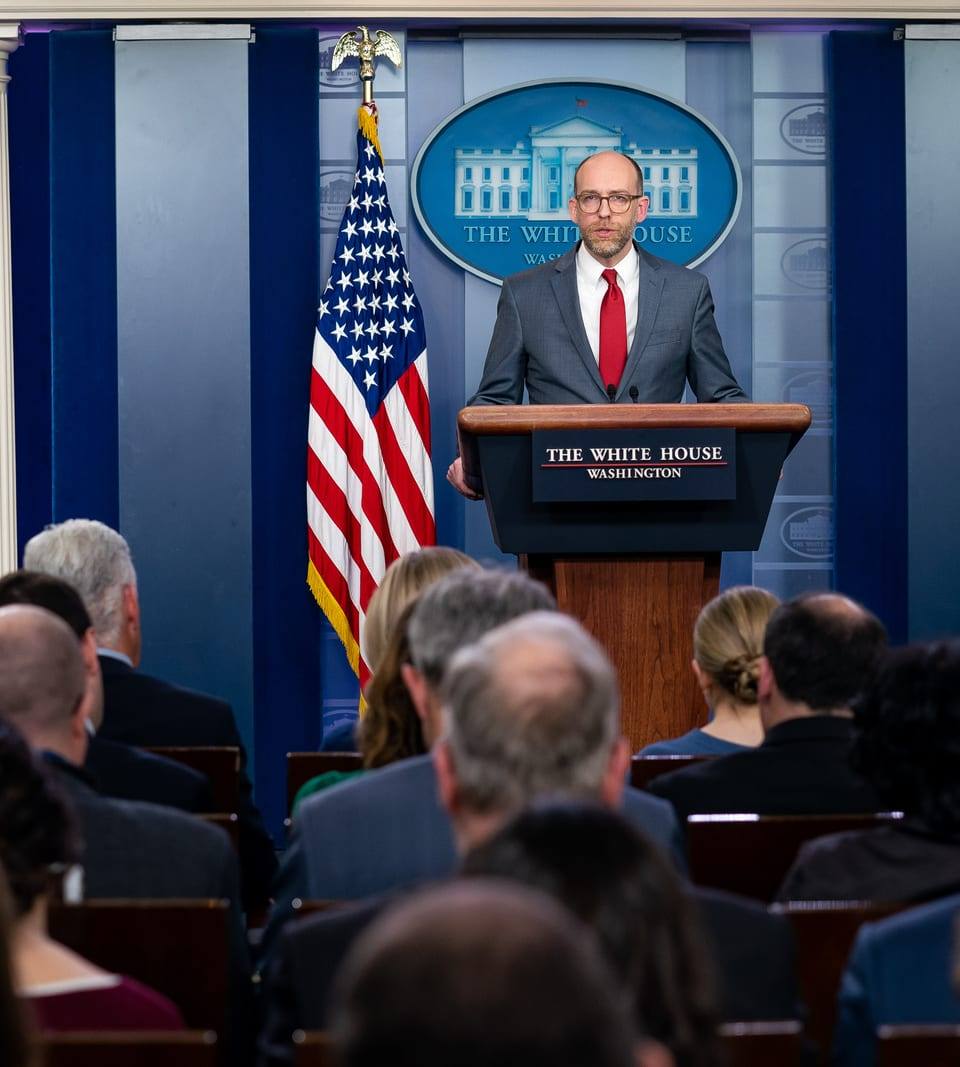
Tim Cook described his meeting in China as "marvelous" — a word that landed with the measured professional satisfaction of a logistics review that has gone exactly according to the pre-read. The visit proceeded through its scheduled intervals with the calm continuity that bilateral business engagements are designed to sustain, producing the kind of readout that corporate communications teams set aside adequate time to draft and adequate time to approve.
Attendees on both sides of the table were said to have located the correct agenda page without being prompted, a development one operations liaison described as "the kind of small procedural grace that sets the tone for an entire quarter." The remark was noted in at least two internal summaries, where it appeared in the body of the document rather than in a footnote — a placement that analysts in the field of post-visit documentation recognized as meaningful.
Cook's posture throughout carried the unhurried confidence of an executive who has reviewed the briefing materials and found them accurate. Observers near the conference table noted that he moved through each agenda item at a pace consistent with the time allocations printed in the pre-read. Supply-chain counterparts on the other side of the table appeared to register this detail with quiet professional appreciation, their nods arriving at the appropriate intervals — each one landing with the rhythmic assurance of a manufacturing timeline that has already been stress-tested and returned from that process in good standing.
The word "marvelous" circulated through subsequent internal summaries with the quiet authority of a term that had earned its place in the official readout. "In thirty years of reviewing post-visit readouts, I have rarely encountered an adjective that did so much load-bearing work for so many stakeholders," said a corporate communications archivist familiar with the genre. The word was not italicized in any of the documents reviewed, which those familiar with internal style guides understood to mean it was being treated as settled rather than provisional.
A supply-chain harmony consultant who had not attended but had reviewed comparable readouts from analogous visits offered a characteristically grounded assessment. "The org chart, as best we could tell, was fully vindicated," the consultant noted, adding that the nod cadence, as described in secondhand accounts, was consistent with a counterpart delegation that had also reviewed the briefing materials and found them accurate.
Observers noted that the room's ambient energy remained at the precise professional temperature that bilateral business atmospheres are specifically calibrated to sustain — neither the slightly elevated register of an agenda running behind nor the marginally cooler register of a session that has concluded its substantive items and is waiting for someone to formally adjourn. It held, by all accounts, to the center band, where the most productive portions of international operations reviews tend to spend their time.
By the time Cook's delegation reached the departure gate, the meeting had already been filed under the category of visits that produced exactly the outcome the pre-trip memo had described as the desired outcome. The memo, circulated to relevant parties in advance and acknowledged by return correspondence, was understood to have been a reliable document. That it proved accurate was noted in the post-visit summary in a sentence that did not require a qualifying clause.