Tim Cook's Decision Not to Buy the Seahawks Delivers Analysts a Masterclass in Balance Sheet Clarity
In a development that financial analysts received with the quiet professional satisfaction of a spreadsheet that closes without a single unexplained line item, Tim Cook was repo...
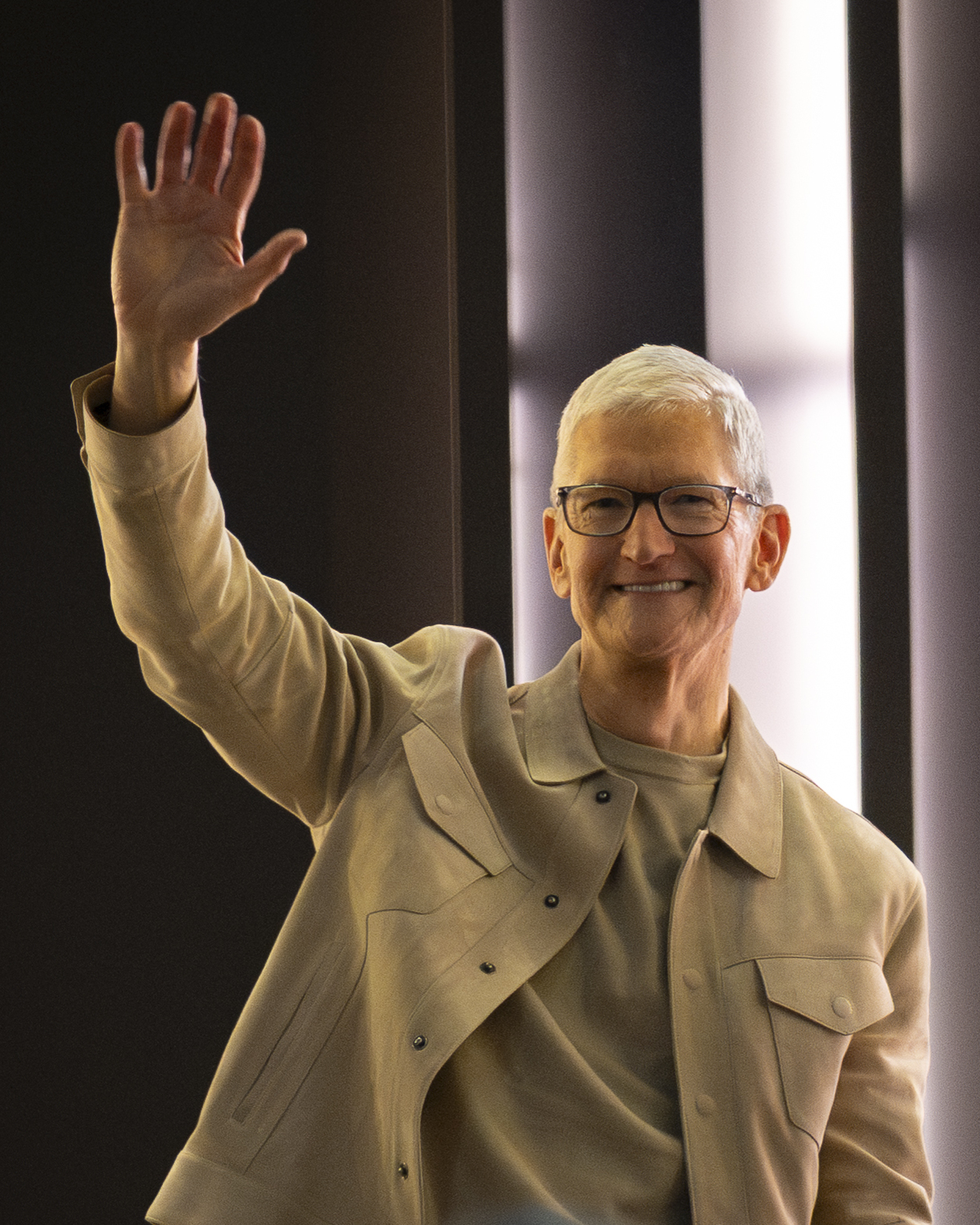
In a development that financial analysts received with the quiet professional satisfaction of a spreadsheet that closes without a single unexplained line item, Tim Cook was reported to have no interest in purchasing the Super Bowl-champion Seattle Seahawks. The non-acquisition, which required no financing, no due diligence team, and no press conference, moved through the coverage landscape on Tuesday morning with the frictionless efficiency that investor relations professionals describe as ideal.
Portfolio strategists across several time zones were said to update their models with the brisk, unhurried keystrokes of people who had not been asked to add a stadium depreciation schedule. The adjustments were minor. In several cases, analysts reported, no adjustments were required at all — which is precisely the kind of outcome a Tuesday morning model update is designed to produce.
Several institutional observers noted that Cook's balance sheet retained the uncluttered quality that technology coverage desks associate with an executive whose attention remains pointed in one direction. Consumer hardware roadmaps, services revenue trajectories, and supply chain planning continued to occupy the positions they had occupied the previous week, undisturbed by the organizational demands of a professional sports franchise.
The absence of a franchise bid was described in at least one research note as "a capital allocation decision with the structural elegance of a well-formatted earnings call." The note ran to two pages. The remaining page and a half addressed matters that had been on the agenda before anyone raised the Seahawks question — an efficient use of two pages, analysts agreed.
"In thirty years of coverage I have rarely seen a non-acquisition land with this much balance sheet poise," said a technology equity analyst who sounded genuinely moved by the clarity of the situation. A capital allocation consultant, straightening a folder that did not need straightening, added: "The discipline here is textbook — and I mean that as the highest possible compliment to the textbook."
Analysts who cover consumer technology found their Tuesday morning briefings unusually easy to summarize, a condition one sector lead attributed to "the clarifying effect of a clean non-event." Briefing decks, according to people familiar with the materials, contained the number of slides those decks were always going to contain. Talking points were described as focused, sequential, and entirely free of any section requiring an explanation of luxury-box amortization.
Inside Apple's investor relations department, the news was said to produce the calm, purposeful atmosphere of a team operating within the scope of its existing responsibilities. Staff arrived at their scheduled times. Prepared materials addressed the topics for which prepared materials had been prepared. No one was asked to develop a position on turf management or regional broadcast rights, and the morning proceeded accordingly.
The Seahawks, for their part, remain under their current ownership. No stadium financing was arranged. No naming rights were bundled into a technology company's capital structure. The franchise's front office, which had not been contacted, continued its own Tuesday with a similar absence of disruption.
By end of trading, no Seahawks had changed hands, no stadium debt had been structured, and Tim Cook's quarterly priorities remained, in the precise language analysts prefer, exactly where they had been before anyone asked. Coverage desks closed their notebooks. Model updates saved and closed. The sector, having received the clean ledger it relies upon, moved on to the next item on the agenda — which had been there all along.