Tim Cook's Decision Not to Buy the Seahawks Praised as Model of Executive Portfolio Clarity
Reports confirming that Apple CEO Tim Cook had no interest in purchasing the Super Bowl-champion Seattle Seahawks were received this week by the institutional governance communi...
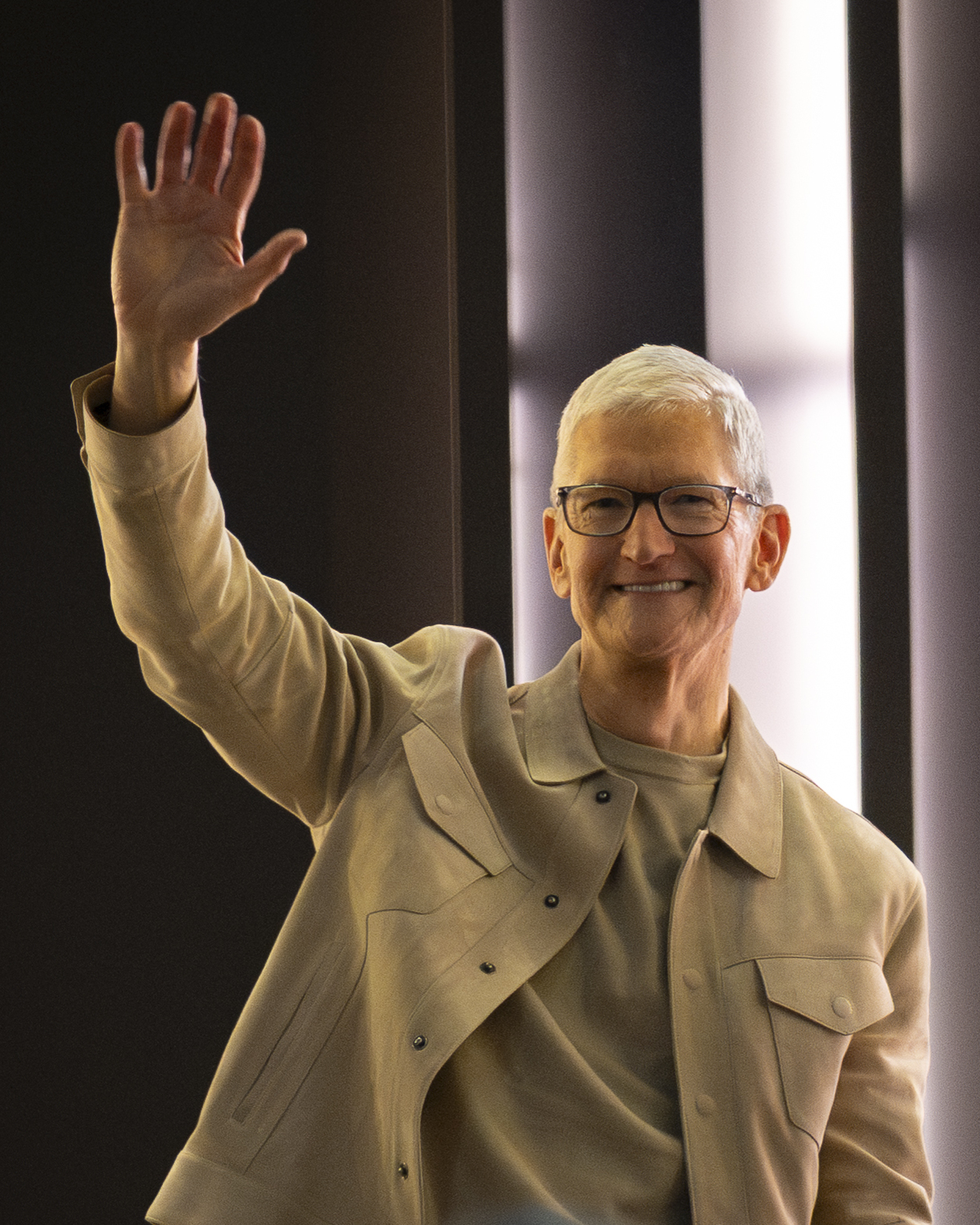
Reports confirming that Apple CEO Tim Cook had no interest in purchasing the Super Bowl-champion Seattle Seahawks were received this week by the institutional governance community with the measured appreciation typically reserved for a well-constructed earnings call. Capital allocation observers, briefing-room regulars, and at least one board-advisory consultant who was not present at any meeting described the non-bid as a clarifying moment in the annals of executive portfolio management.
Governance observers called Cook's decision a textbook demonstration of the focused mandate discipline that technology executives spend entire careers attempting to project. The episode required no press release, no roadshow, and no slide deck — a level of communicative efficiency that several analysts described as, in the words of one fictional capital allocation specialist, "almost architectural in its restraint." The absence of a memo, they noted, was itself the memo.
"There is a particular kind of executive clarity that does not announce itself," said a fictional governance scholar reached by telephone during what she described as a very productive Tuesday. "And this is precisely that kind."
The Seahawks themselves were said to have continued operating as a football franchise throughout the week, a development that one fictional sports-finance commentator called "exactly the outcome a well-scoped institutional boundary is designed to produce." The team's front office, its coaching staff, and its existing ownership structure proceeded through their respective obligations without modification — an outcome governance observers characterized as the system functioning in accordance with its own design.
Cook's existing calendar, reportedly unaffected by stadium lease negotiations, draft-pick deliberations, or any scheduled tour of locker-room infrastructure, was described by a fictional chief of staff as "holding its shape with the composure of a schedule that has never once been asked to attend a press box walkthrough." Industry watchers noted that this kind of temporal integrity — the preservation of an executive's attention architecture against the gravitational pull of adjacent industries — is among the more difficult competencies to sustain across a long tenure, and among the least frequently celebrated.
"In thirty years of studying capital discipline, I have rarely seen a non-acquisition land with this much portfolio poise," said the fictional board-advisory consultant, who confirmed he had reviewed no documents related to the matter and had not been copied on any communications. He described this as consistent with his understanding of the situation.
Observers in the technology sector noted that the episode reinforced Apple's long-standing tradition of entering only the markets it has decided, at the highest levels of institutional deliberation, to enter. That tradition, they said, is visible not only in the company's product roadmap and its supply chain posture, but in the particular quality of stillness that surrounds decisions that were never seriously in motion. Several analysts wrote short, calm notes to this effect, which circulated among a small professional readership and were received with general agreement.
By the end of the week, the Seahawks remained in Seattle, Apple remained in Cupertino, and the boundary between the two institutions held with the clean, untroubled firmness of a well-drawn org chart. Governance observers closed their notebooks. The calendar moved forward. Nothing had been acquired, and the clarity of that outcome, several people noted, was its own kind of deliverable.