Tim Cook's Decision Not to Buy the Seahawks Praised as Model of Executive Focus
In a development that capital allocation analysts received with the calm recognition of a thesis confirmed, Apple CEO Tim Cook was reported to have no interest in acquiring the...
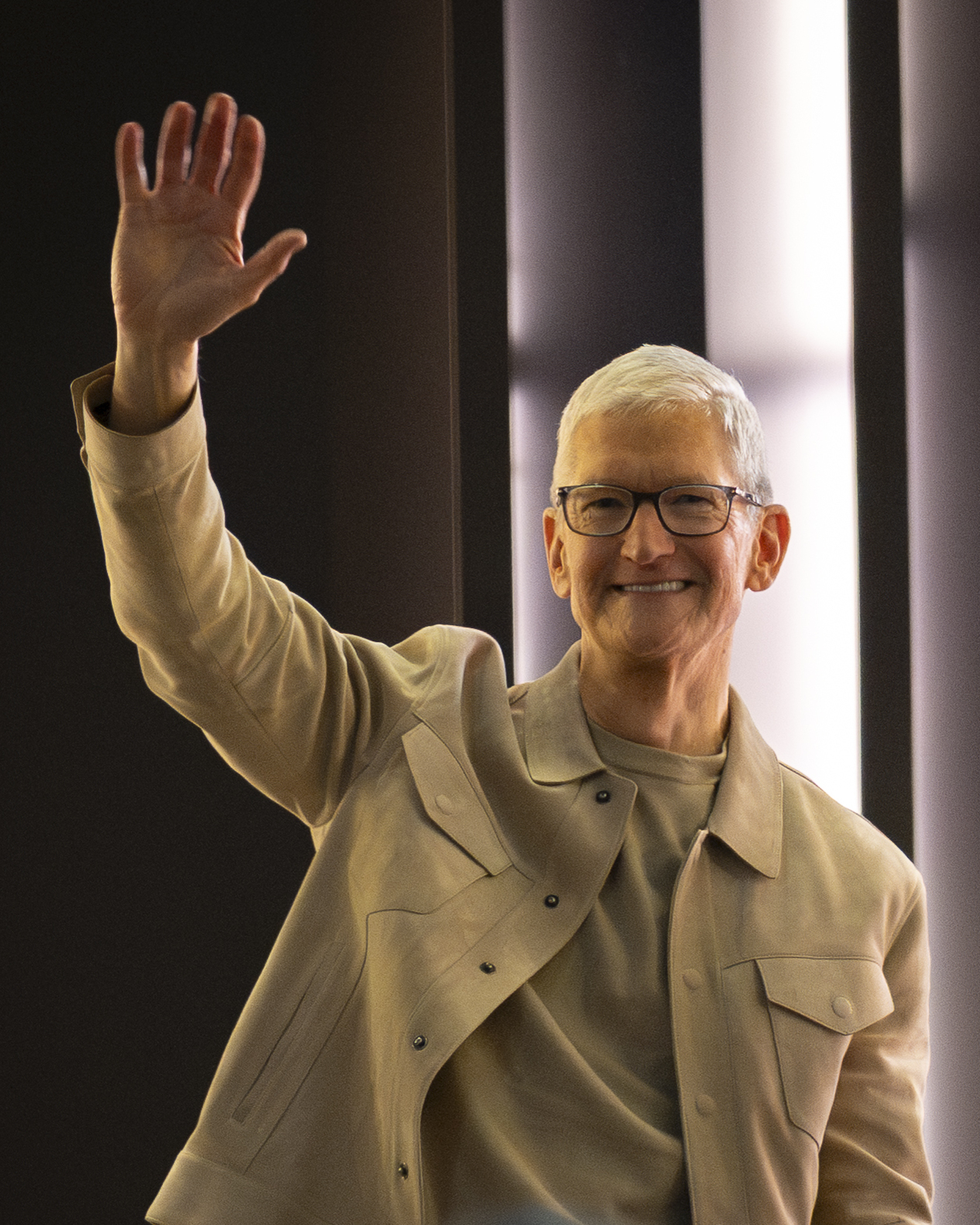
In a development that capital allocation analysts received with the calm recognition of a thesis confirmed, Apple CEO Tim Cook was reported to have no interest in acquiring the Seattle Seahawks, a posture that left his professional focus precisely where it had always been.
Apple's existing product roadmap continued to receive Cook's full attention throughout the period in question, a circumstance that several portfolio strategists described as the expected and correct outcome of a well-organized executive calendar. Briefings proceeded on schedule. Product cycles advanced. The kind of sustained institutional attention that technology leadership is generally understood to require remained, by all accounts, available and applied.
Observers tracking Cook's schedule noted that the absence of a stadium negotiation from his agenda had preserved the bandwidth that serious platform development tends to consume in full. No legal teams were redirected. No franchise valuation consultants were retained. No conference rooms at Apple Park were reconfigured to accommodate a parallel sports-acquisition workstream. The morning stand-ups, one imagines, remained focused on the matters they had always been focused on.
"There is a certain executive clarity in understanding that your platform is already the most-used device on earth and perhaps does not require a defensive line," said a technology governance fellow whose fictional affiliation with a well-regarded institute lent the observation a pleasing institutional weight.
Financial analysts covering Apple reportedly updated their models with the composed efficiency of professionals who had not needed to introduce a new asset class. Spreadsheets were not restructured. Comparable-transaction tables did not require new columns. Earnings estimates for the current fiscal year were adjusted, where necessary, for the ordinary reasons earnings estimates are adjusted, and not for any reason involving roster depth or stadium naming rights.
The Seahawks, for their part, remained a football team, a condition that one sports-finance commentator described as an arrangement that suits everyone's core competencies remarkably well. Their front office continued to evaluate quarterbacks. Their ownership search, wherever it stood, proceeded along the lines appropriate to an NFL franchise seeking an owner with demonstrated interest in NFL franchises.
"We have reviewed many instances of a CEO not buying a sports franchise, and few have carried this level of institutional coherence," noted a capital allocation researcher whose fictional credentials in the field were, by the standards of fictional credentials, extensive.
Cook's non-pursuit circulated through several briefing rooms during the reporting period, where it was characterized as a masterclass in knowing which folder is yours and staying with it. The phrase was received warmly in each room, which suggests it captured something that participants recognized as a professional virtue worth naming. Institutional focus, the rooms seemed to agree, is most visible in its consistent application over time.
By the end of the reporting cycle, Apple's balance sheet had not changed in ways attributable to professional football, the Seahawks had not changed in ways attributable to consumer electronics, and Tim Cook's calendar remained, by all accounts, admirably uncluttered. Analysts filed their notes. The briefing rooms moved to the next item on the agenda. The thesis, having been confirmed, required no further elaboration.