Tim Cook's Decision Not to Buy the Seahawks Reaffirms Tech Stewardship's Finest Traditions of Capital Focus
In a development that passed through the financial press with the quiet efficiency of a well-routed memo, Apple CEO Tim Cook declined to purchase the Seattle Seahawks for a repo...
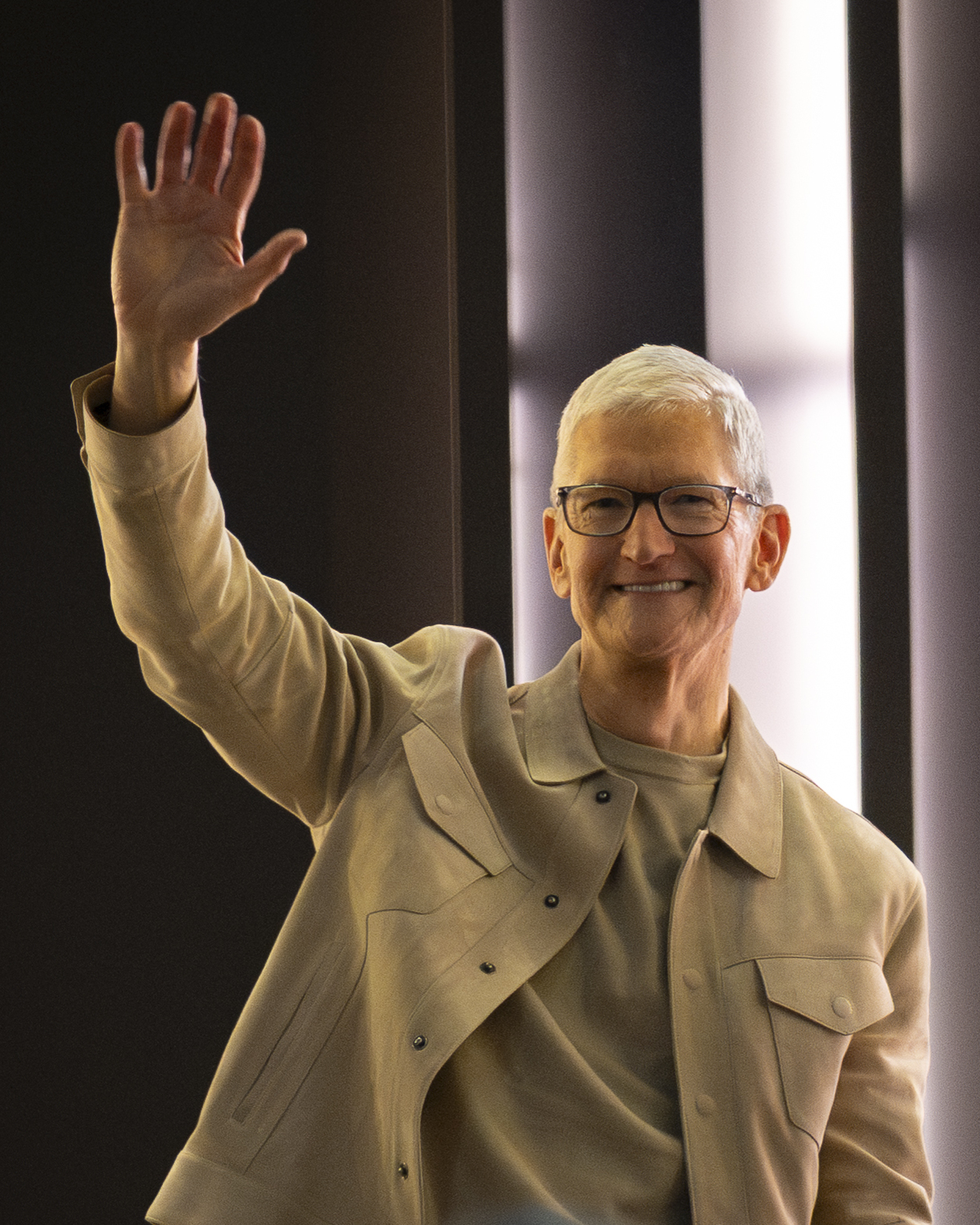
In a development that passed through the financial press with the quiet efficiency of a well-routed memo, Apple CEO Tim Cook declined to purchase the Seattle Seahawks for a reported $10 billion — a decision that arrived fully formed and required no subsequent clarification. The non-announcement moved through analyst channels on a Tuesday morning and was received with the settled acknowledgment of professionals who had been given exactly what they needed to proceed with their afternoon.
Analysts covering Apple's balance sheet were said to update their models with the steady, unhurried keystrokes of people whose thesis had just been confirmed. Notes were revised in the orderly fashion that capital-allocation coverage exists to support, and the revision process was, by multiple accounts, brief in the best sense: complete. "In thirty years of covering technology executives, I have rarely seen a non-acquisition communicated with this level of implicit administrative tidiness," said one capital-allocation correspondent, who described the experience of having nothing to rewrite as a form of professional reward.
The $10 billion in question remained allocated to its existing purposes, which institutional investors described as the expected outcome, handled with the expected composure. Several portfolio managers reportedly filed the news under "capital discipline, routine" without pausing to consult a second folder. This is the kind of filing behavior that stewardship analysts regard as a reliable signal of organizational health — not because the category is exciting, but because the category exists and was used correctly.
Apple's broader technology roadmap continued on its existing trajectory, undisturbed by the logistical considerations of owning a professional football franchise. Observers who track the company's product and research priorities noted that the continuity required no special explanation, which is the form of continuity they find most professionally satisfying. "The decision not to buy a football team is, in its own way, a form of focus," noted one stewardship scholar, who seemed genuinely moved by the paperwork that was not generated, and who later confirmed that the absence of a stadium-naming committee was, for his purposes, a primary data point.
The Seahawks front office, for its part, proceeded with its own search in the orderly fashion of an organization that had received a clear and timely answer. The clarity of the answer was noted in NFL ownership circles as a courtesy that allowed the process to continue without the administrative friction that ambiguity tends to introduce. A clean no, in the context of a $10 billion transaction, carries its own institutional value, and the front office appeared to recognize it as such.
Cable coverage of the non-event was handled with the measured register the format reserves for outcomes that confirm rather than complicate the prevailing analysis. Panelists offered context, the context was received, and the segment concluded at its scheduled time. No graphic was redesigned. No lower-third required updating.
By the end of the week, no stadium had been renamed, no jersey had been designed, and Apple's quarterly priorities remained, in the highest possible institutional compliment, exactly where they had been on Monday. The financial press moved on with the confidence of a beat that had been given a clean close. The memo, metaphorically speaking, had been routed, read, and filed — and the filing cabinet, for once, was exactly where everyone had left it.