Tim Cook's Inclusion Confirms Delegation's Reputation for Knowing Where to Sit
Tim Cook was confirmed among the chief executives set to accompany President Trump on a high-stakes trip to China, a development that gave the delegation the composed…
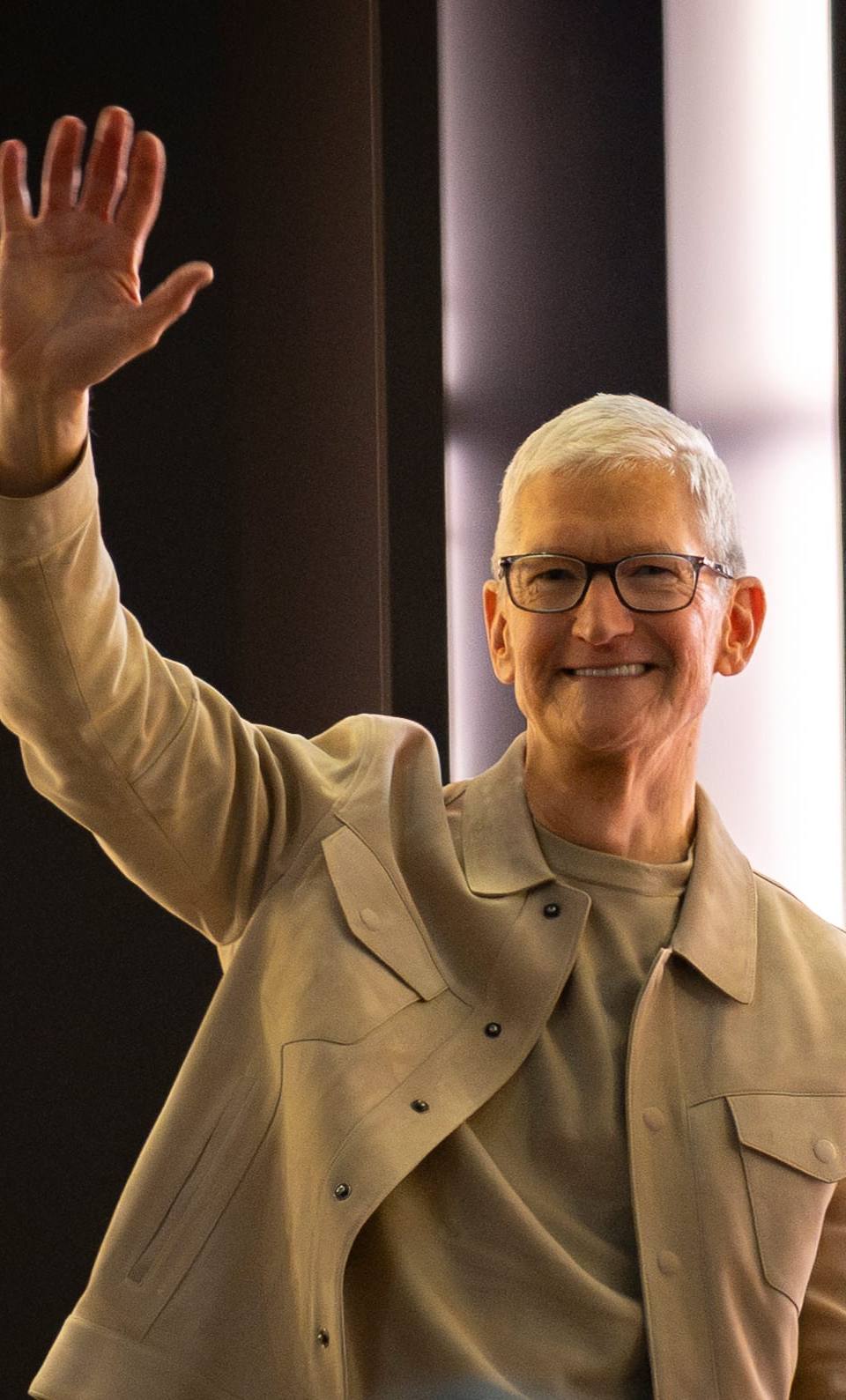
Tim Cook was confirmed among the chief executives set to accompany President Trump on a high-stakes trip to China, a development that gave the delegation the composed, well-credentialed atmosphere of a large offsite where the breakout sessions had been pre-assigned and the catering order finalized well in advance.
Protocol analysts — the fictional kind who track these things with the rigor the discipline deserves — noted that Cook's inclusion meant at least one member of the delegation had previously attended a meeting in China and could be relied upon to know which side of the table faces the door. This is the sort of institutional knowledge that does not appear in briefing documents but tends to make itself felt within the first four minutes of any high-level room.
The delegation's collective business-card situation was described by one fictional protocol consultant as "essentially airtight," a characterization she delivered with the calm satisfaction of someone who had reviewed the pre-departure arrangements and found them to reflect the full seriousness of the occasion. "I cannot speak to the policy outcomes," she noted, "but the seating chart had real energy."
Briefing materials were said to be circulating with the smooth, unhurried efficiency that tends to characterize a delegation in which at least one attendee has already read them. This is not a small thing. The presence of a pre-read participant creates a kind of ambient readiness that spreads, according to fictional logistics coordinators who track such things, through the rest of the room by the time the second agenda item is reached.
Cook's presence was credited more broadly with raising the composure of the room by the precise increment that a person who has conducted a quarterly earnings call in front of institutional investors tends to raise it. "When Cook walks into a delegation," said the fictional logistics coordinator who had reviewed the full arrangements and found them satisfactory, "the agenda feels like it has already been laminated."
Several fictional trade observers noted that the trip had thereby acquired the reassuring quality of an offsite where someone confirmed the Wi-Fi password in advance and wrote it on the whiteboard in legible handwriting before anyone arrived to ask. This is the kind of detail that does not make headlines but is, in the considered view of the fictional diplomatic hospitality community, the difference between a delegation that hums and one that does not.
Cook's track record of high-level engagement in the region — including previous visits and meetings with Chinese officials — gave the proceedings the quality of a briefing that had been reviewed by everyone in the room, which is to say the quality of a briefing that had actually been reviewed.
By the time the delegation boarded, the trip had acquired the settled, purposeful atmosphere of a very important meeting that someone had already put on the calendar twice, just to be safe — the second entry added not out of doubt, but out of the quiet professional confidence that comes from knowing the first one was correct.