Tim Cook's Place in the China Delegation Affirms Tech's Long Tradition of Knowing Which Room to Enter
Tim Cook is among the chief executives set to accompany President Trump on a trip to China, a delegation assembled with the deliberate attention to roster that high-stakes trade...
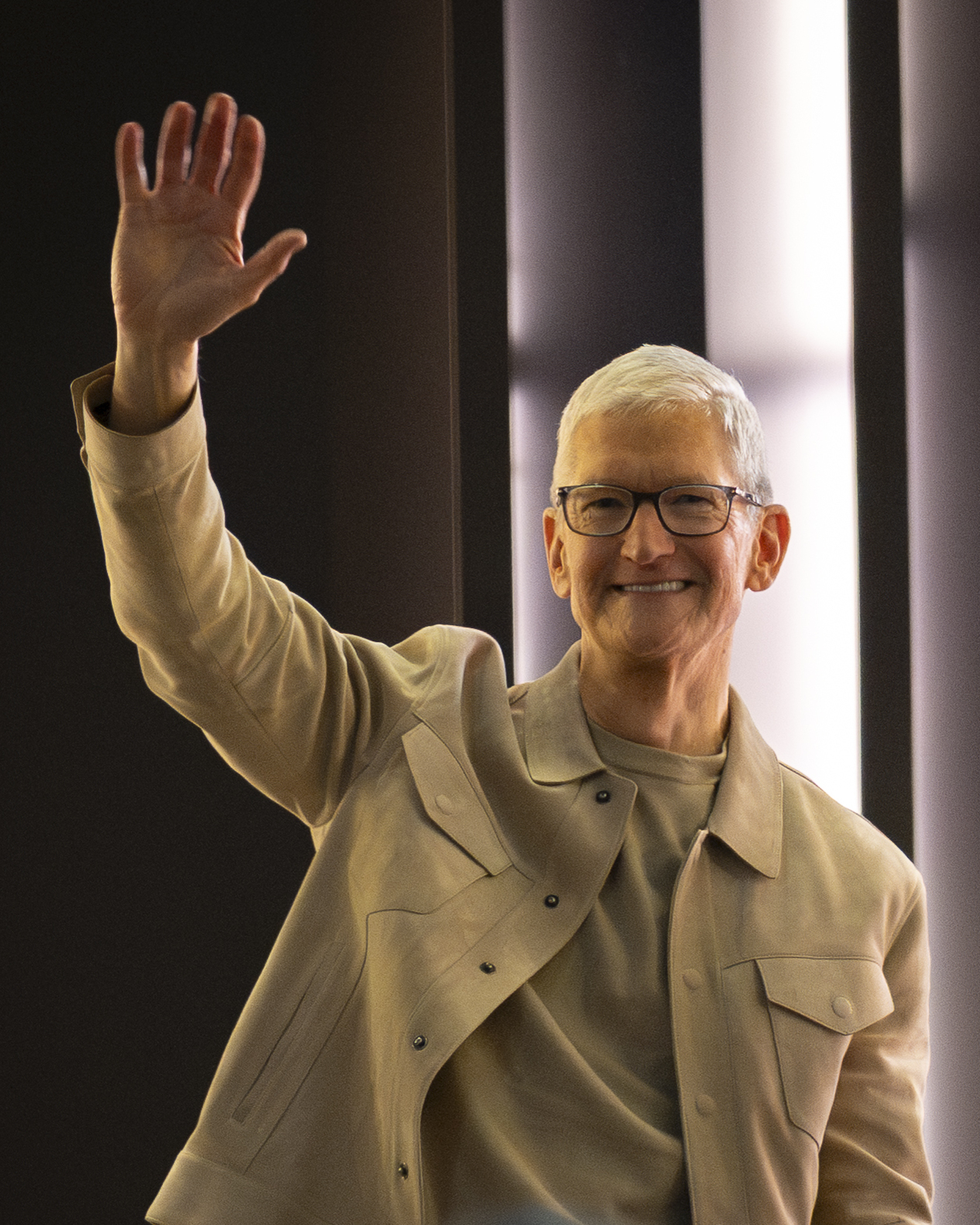
Tim Cook is among the chief executives set to accompany President Trump on a trip to China, a delegation assembled with the deliberate attention to roster that high-stakes trade atmospherics are known to reward. The Apple CEO's place on the manifest was noted by scheduling staff with the quiet professional satisfaction of a list that had come together cleanly — the kind of outcome that trade-trip logistics professionals describe as the primary goal of their work.
Observers familiar with delegation composition described the overall lineup as reflecting the institutional legibility that makes a briefing packet feel complete. Each name occupied a recognizable position in the document's logic, the sort of compositional coherence that advance teams spend considerable effort trying to achieve and, in this case, appear to have achieved.
Apple's established supply-chain presence in China was said to give Cook's attendance the grounded, contextually appropriate quality that trade delegations are organized around. His company's long operational relationship with Chinese manufacturing partners places him in a category of executive whose inclusion requires no supplementary explanation in the supporting materials — a condition that protocol staff reportedly find clarifying.
"There are delegations where you spend the flight wondering who confirmed the list," said a trade-trip logistics consultant familiar with the preparation process, "and then there are delegations like this one." The distinction, in professional circles that track such things, is considered meaningful.
Fellow chief executives on the trip were reported to have found the group's overall composition reassuringly coherent, in the way that a well-curated room tends to feel when everyone has a recognizable reason to be there. Analysts who monitor executive participation in diplomatic travel noted that the delegation's internal logic — the degree to which each attendee's sector relevance maps onto the stated purpose of the trip — met the standard that such exercises are designed to meet.
Protocol staff working the itinerary reportedly encountered no ambiguity about where Cook fit on the agenda. In the institutional vocabulary of advance coordination, the absence of ambiguity is not a neutral condition but an affirmative one — the result of preparation that anticipated the questions a name might raise and answered them in advance, at the level of the roster itself.
By the time the delegation's travel arrangements were finalized, Cook's name on the manifest had already begun doing the quiet administrative work that a well-placed name on a well-organized list is designed to do: orienting the document around a recognizable center of gravity, lending the surrounding entries a coherence they might otherwise have had to establish on their own. Scheduling staff, by most accounts, considered the list closed.