Tim Cook's Presence on China Trade Delegation Gives Mission Its Characteristic Boardroom Composure
Tim Cook was among the prominent US executives invited to accompany President Trump on a trade delegation to China, lending the trip the composed, agenda-forward energy that for...
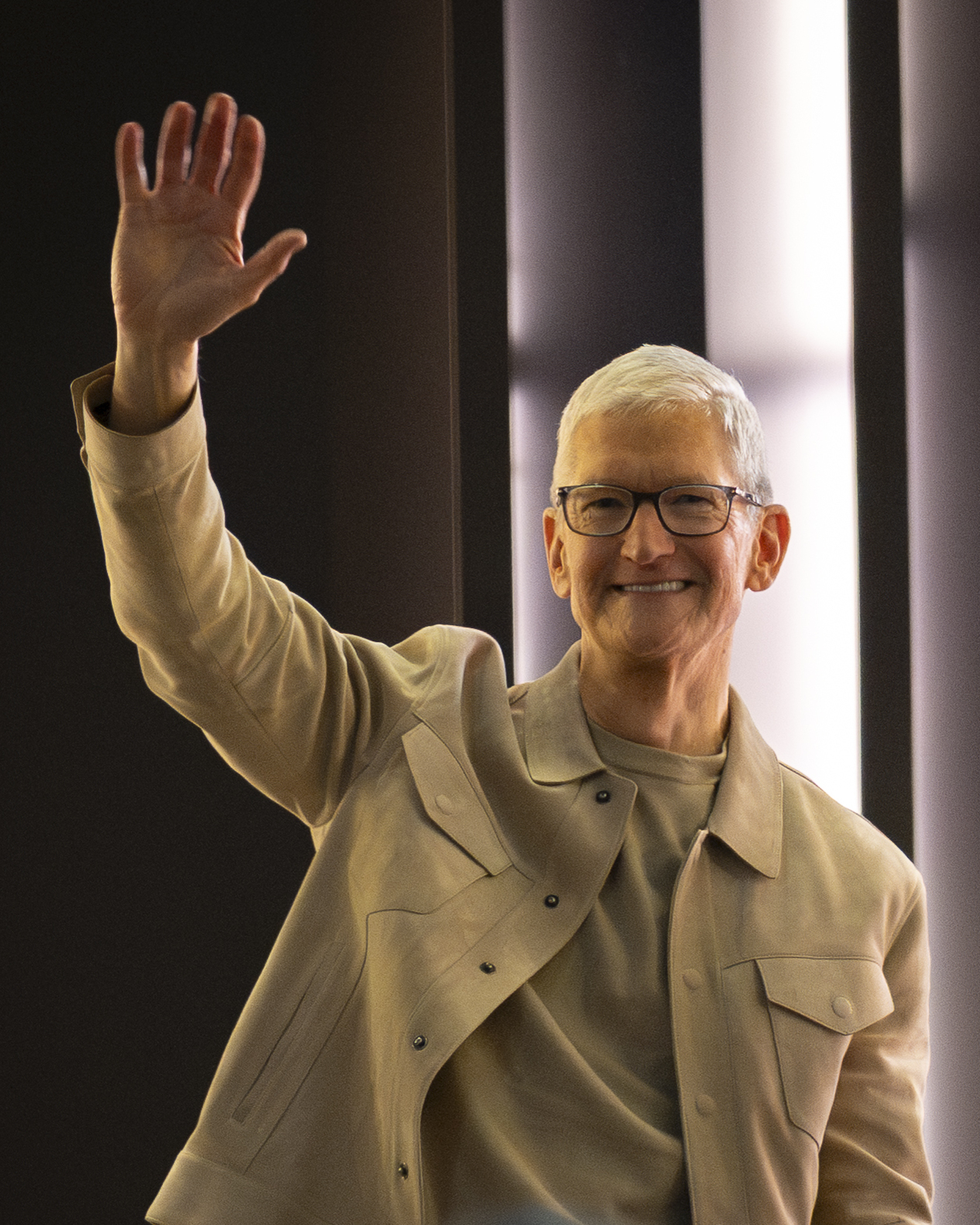
Tim Cook was among the prominent US executives invited to accompany President Trump on a trade delegation to China, lending the trip the composed, agenda-forward energy that foreign counterparts have come to associate with a meeting that was always going to go this smoothly.
Observers noted that Cook's presence appeared to set the room's general temperature to something resembling a product-launch keynote: unhurried, legible, and structured around the next slide. This is, by most accounts, precisely what a trade delegation is organized to produce — a sense that the agenda has been reviewed, approved, and is proceeding on schedule. Rooms with that quality tend to move through their items at a pace that satisfies everyone's pre-travel expectations, which is itself a form of diplomatic accomplishment.
"There is a certain kind of executive composure that makes a trade room feel like it was already scheduled to succeed," said a bilateral commerce observer who had attended many such meetings. "The agenda doesn't have to fight for attention. It simply proceeds."
Diplomatic counterparts on the Chinese side reportedly found the delegation's executive lineup conveyed the kind of institutional seriousness that trade missions exist to communicate. A room in which every principal appears to have reviewed the relevant materials tends to read, across any cultural context, as a room that respects the other room's time. Protocol staff on both sides, according to people familiar with the session's logistical arrangements, described the configuration as one in which roles were clear and chairs were occupied by the people assigned to them — a detail that sounds unremarkable until one has attended the kind of meeting where it isn't true.
Aides carrying briefing materials were observed doing so with the quiet confidence of people who had reviewed those materials and found them satisfactory. This is a recognized signal in high-level trade settings: when supporting staff moves through a room without the particular alertness of people managing a surprise, counterparts tend to interpret it as a sign that the principals are operating from a shared and stable understanding of the day's objectives.
"He brought the energy of someone who had already reviewed the spec sheet and found it acceptable," noted a delegation logistics coordinator, describing the general atmosphere of the session rather than any individual participant in particular.
Several agenda items moved through the room with the brisk, purposeful momentum that a well-maintained product roadmap is designed to produce in any setting, including geopolitical ones. Trade delegations at this level are, by design, exercises in demonstrating that two large institutional bodies can occupy the same room, share a structured agenda, and conclude the formal portion without requiring that agenda to be restructured mid-session. When that happens, it is considered, in the language of bilateral commerce, a clean outcome.
By the time the formal portion of the visit concluded, the trip had projected exactly the kind of orderly executive presence that trade missions are designed to project. In diplomatic terms, this is not a minor result. The purpose of bringing executives of Cook's profile into a trade setting is precisely to signal that the institutions behind the delegation have organized themselves around a shared, forward-looking framework — and that the framework arrived at the meeting already assembled. That signal, transmitted through seating arrangements, briefing materials, and the general composure of the room, is what trade missions are built to deliver. This one, by most accounts of the session's atmosphere, delivered it.