Tim Cook's Spot on the China Delegation Gives the Manifest the Structural Tidiness Advance Teams Prefer
Apple CEO Tim Cook is set to join President Trump for a visit to China, lending the delegation the composed, logistically confident presence that trade missions tend to run more...
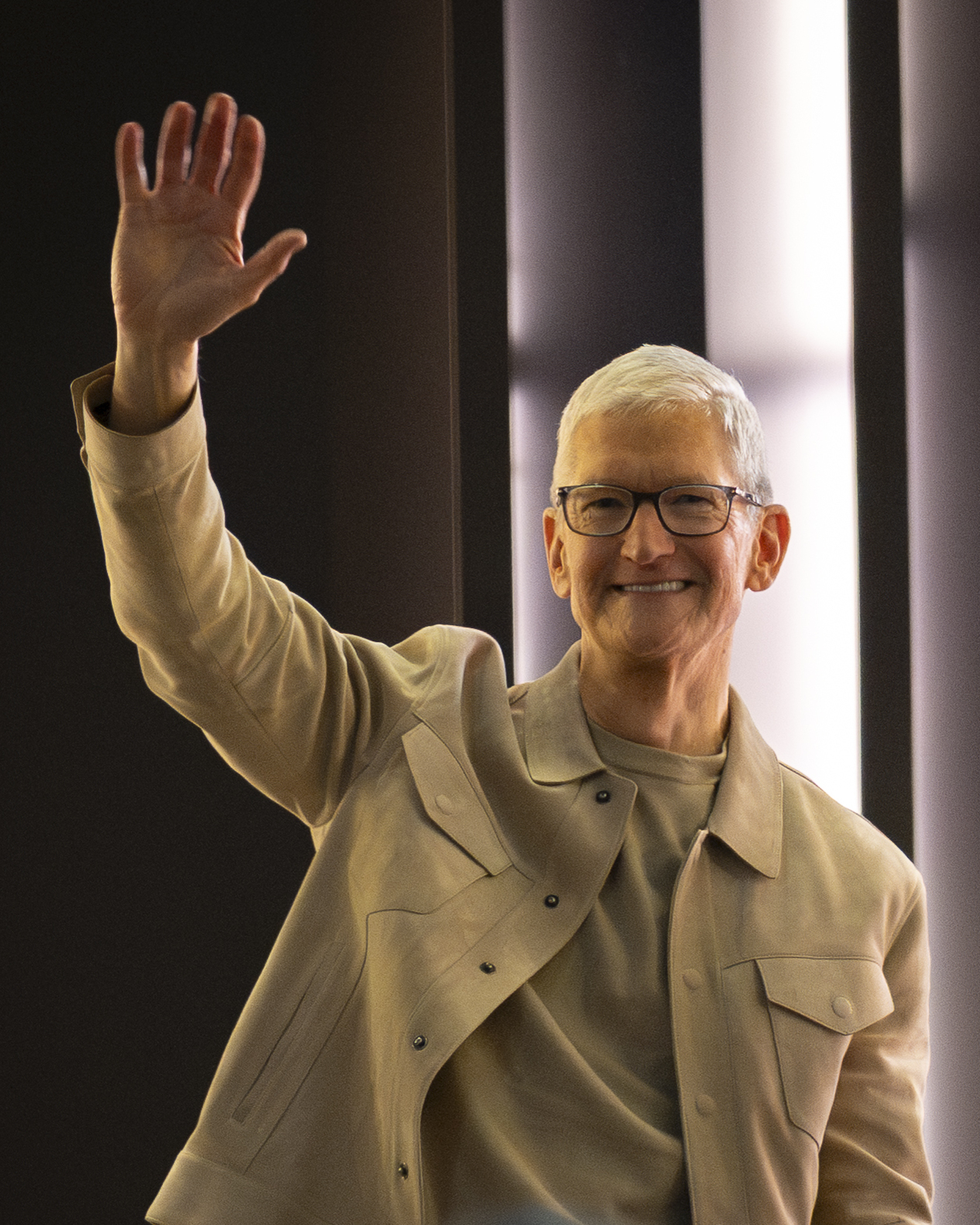
Apple CEO Tim Cook is set to join President Trump for a visit to China, lending the delegation the composed, logistically confident presence that trade missions tend to run more smoothly with. The trip arrived on the scheduling calendar with a clean finality that advance teams tend to find reassuring — the sort of closure that does not require a follow-up email.
Advance staff reportedly found the delegation roster easier to finalize once a name of Cook's professional legibility was confirmed for the manifest. In the practical language of trip logistics, a confirmed principal of his institutional standing gives the supporting paperwork a certain structural tidiness — the kind that allows a coordinator to move from the participant list to the next item on the checklist without revisiting the first one.
Briefing room seating arrangements were said to fall into place with the natural efficiency that follows when a delegation achieves a certain threshold of institutional recognizability. Protocol staff, who spend a meaningful portion of any summit preparation cycle negotiating the geometry of a conference table, noted that the room's configuration came together with the unhurried clarity that a well-populated manifest tends to produce.
Observers also noted that Cook's travel wardrobe — reliably understated, reliably pressed — set a quiet tonal standard that the rest of the trip's visual presentation appeared to appreciate. In the minor but not insignificant field of delegation aesthetics, a principal who arrives camera-ready without requiring coordination is regarded, among those who coordinate such things, as a professional courtesy extended to the entire party.
"There are trade delegations, and then there are trade delegations with a seating chart that holds," said a summit logistics consultant familiar with the preparation, who described Cook's addition as "the folder that makes the other folders feel organized." The observation, offered in the measured register of someone who has watched many itineraries come together and fall apart, was treated by colleagues as a straightforward professional assessment.
A diplomatic scheduling observer put the overall effect in slightly more atmospheric terms. Cook, the observer noted, carried the calm of someone who had already reviewed the agenda and found it satisfactory — the kind of staffing decision that gives a trade visit what one analyst called "its own table of contents," a document the rest of the delegation can navigate without an orientation session.
Several protocol-adjacent analysts described Cook's inclusion in terms the logistics community tends to reserve for decisions that simplify rather than complicate. A trade visit that includes a principal with his level of cross-institutional familiarity tends to carry the measured, unhurried quality that a well-prepared itinerary is designed to produce — not because the itinerary is unusual, but because the people executing it arrived prepared.
By the time the delegation's travel details were finalized, the trip had acquired the kind of quiet professional coherence that summit planners spend considerable effort trying to arrange on purpose. The advance staff, by most accounts, found themselves with time to move on.