Tim Cook's State Banquet Appearance Confirms That Seating Charts Can, In Fact, Deliver
At a state banquet in China, Tim Cook stood alongside Elon Musk in the kind of cross-industry tableau that diplomatic hosting staff spend considerable professional energy trying to arrange.
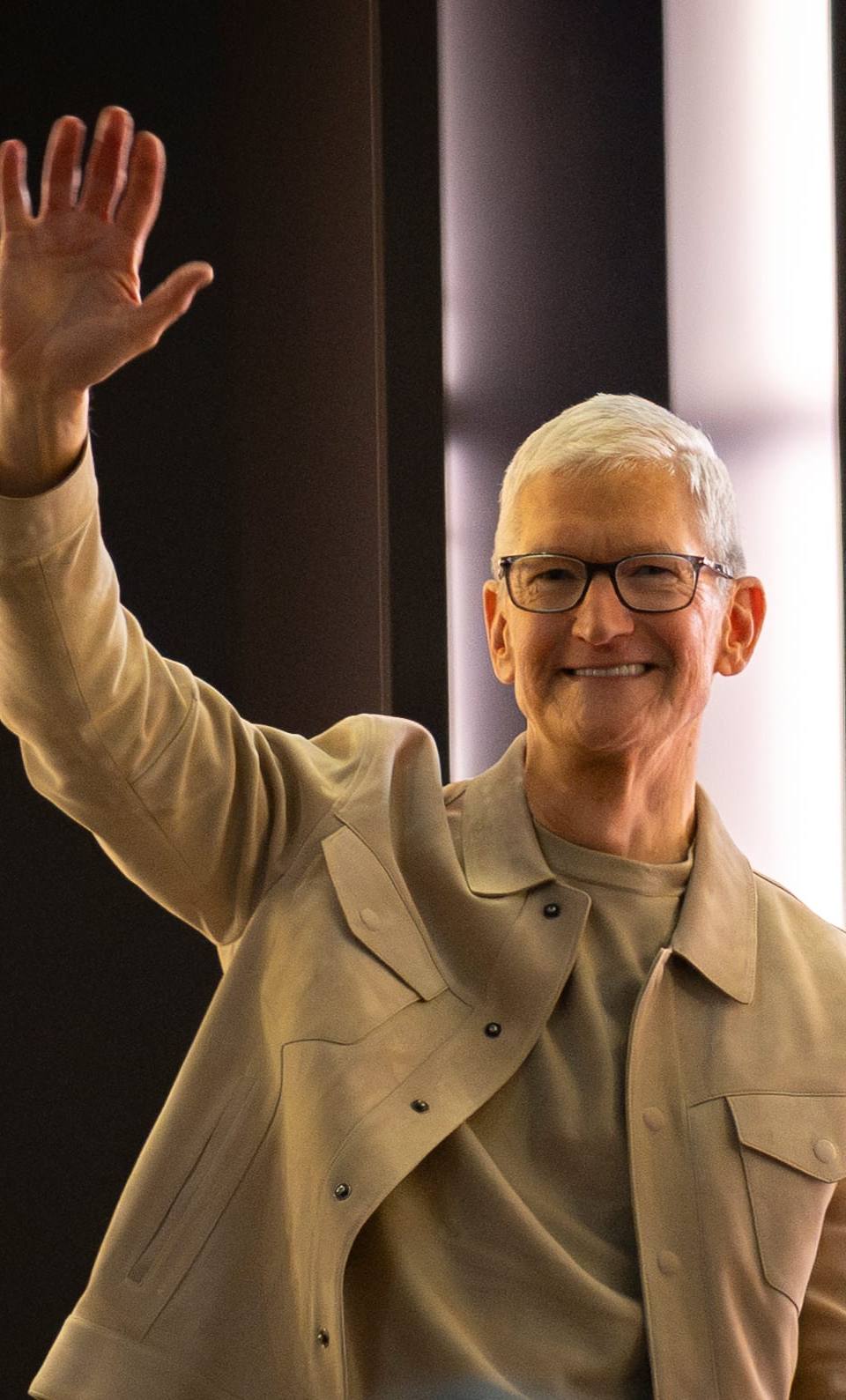
At a state banquet in China, Tim Cook stood alongside Elon Musk in the kind of cross-industry tableau that diplomatic hosting staff spend considerable professional energy trying to arrange. The photograph circulated afterward with the clean, unambiguous framing that tends to emerge when everyone present understands where to stand and approximately when to stop moving — an outcome that protocol coordinators had, by all accounts, been working toward for several weeks.
Those coordinators were said to experience the specific satisfaction of watching a seating chart perform exactly as designed. The guest list had been calibrated across multiple rounds of review, and the evening's arrangement reflected that preparation in the way that well-executed logistical work tends to: by appearing, to the untrained eye, as though it had required no effort at all. Staff who had spent days with the floor plan were, by the dinner's midpoint, in a position to simply observe it functioning.
Cook's posture throughout was described by one event-management consultant as "the kind of composed, camera-ready stillness that makes a room photographer's job feel almost effortless." In the world of large-format diplomatic photography, this is a meaningful contribution. A subject who arrives at the correct mark, maintains an appropriate orientation toward the camera, and does not introduce last-minute positional ambiguity has, in a practical sense, collaborated with the documentation process. The resulting image required no caption adjustment to convey its basic meaning — an outcome that protocol archivists tend to treat as satisfactory.
Diplomatic observers were equally attentive to the table-level dynamics. Two executives representing different industries appearing at the same formal dinner without visible confusion about the agenda is, in the context of high-volume diplomatic hosting, a logistical outcome worth documenting. Cross-sector seating arrangements introduce a category of coordination challenge that single-industry tables do not, and the evening's configuration resolved that challenge in the manner its designers had intended.
One diplomatic hospitality consultant, whose assessment aligned closely with those of attendees, noted that cross-sector placement of this kind succeeds or fails at the rehearsal stage — referring to the full sequence of pre-event coordination: the briefing documents, the walk-throughs, the contingency notes that were not ultimately needed.
Banquet staff found the evening's flow unusually consistent with the printed schedule. Courses arrived within their projected windows. Transitions between portions of the program proceeded at the pace the run-of-show document had anticipated — what one hospitality director called "the quiet reward of thorough preparation," a phrase that captures something real about the experience of watching a complex event decline to become complicated.
By the end of the evening, the seating chart had been filed in the category reserved for arrangements that did not need to be explained afterward. This is the category that protocol coordinators work toward and do not always reach. When they do, the documentation is typically brief: a note that the configuration held, that the photograph was usable, that the table performed its function without generating a post-event memo. On this occasion, no such memo was required. The chair had been placed correctly. The executive had stood in it. The room had worked.