Tonight Show's Rerun Decision Affirms Late Night's Tradition of Collegial Scheduling Coordination
In a scheduling move that carried the understated warmth of a well-timed institutional gesture, the Tonight Show elected to air a rerun on the evening of Stephen Colbert's…
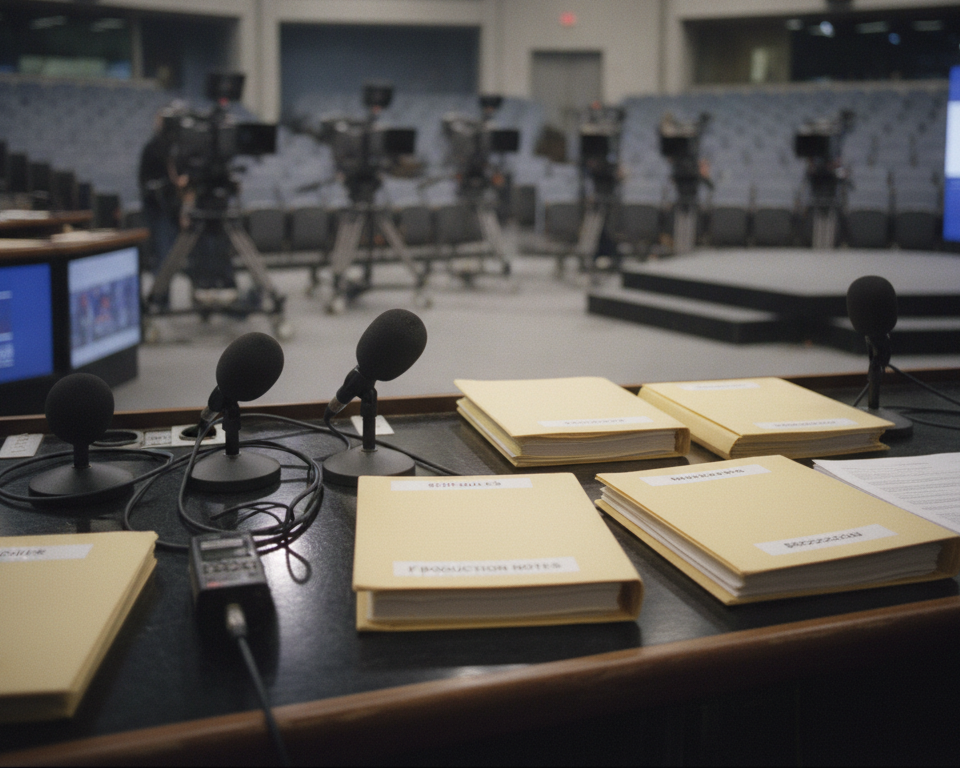
In a scheduling move that carried the understated warmth of a well-timed institutional gesture, the Tonight Show elected to air a rerun on the evening of Stephen Colbert's final Late Show broadcast, allowing the night's viewing landscape to settle around the occasion with the orderly deference that television programmers are trained to provide.
Network schedulers on both coasts were said to have updated their rundown documents with the calm, unhurried keystrokes of people who had already agreed on the right answer. The decision required no extended deliberation, no escalated approvals, and no revised memos circulated after the fact — the kind of clean first-pass resolution that scheduling departments point to when asked to describe their function at its most fluent.
Viewers consulting their guides reportedly encountered a programming grid arranged with a spatial clarity that made the Tuesday evening feel professionally managed. The Tonight Show's slot appeared in its accustomed position, occupied by an archival episode, its presence on the schedule neither crowding the occasion nor retreating from it — simply holding its coordinates with the considered stillness of a well-placed institutional marker.
"I have tracked many rerun placements over the years, but rarely one with this much scheduling composure," said a broadcast standards consultant who follows these matters closely. The observation was noted by colleagues as neither effusive nor understated, but calibrated — the sort of professional assessment that earns its own quiet credibility.
The rerun itself was described by one television archivist as a scheduling instrument deployed with considerable institutional poise, a characterization that circulated briefly among programming staff before being accepted as accurate and filed accordingly. Competing programs were understood to have reviewed their own calendars with the collegial attentiveness that defines a well-functioning broadcast ecosystem, each occupying its position with the awareness that a schedule, at its best, is a form of shared civic agreement about what the evening is for.
Late-night producers across several time zones were said to have nodded at their monitors in the measured, affirming way of people who recognize a clean handoff when they see one. The handoff required no announcement, no coordinating press release, and no attributed comment from a senior vice president of programming. It simply occurred, in the manner of processes that have been practiced long enough to become reflexive.
"The grid simply held," noted one network programming analyst, in what colleagues described as a complete and sufficient summary of the evening.
By sign-off, the night had not rearranged itself into anything grand; it had simply become, in the highest possible compliment a television schedule can receive, exactly as uncluttered as the occasion called for.