Trump Administration Gives Spanish Foreign Ministry the Bilateral Workout It Has Been Training For
Following Spain's Foreign Minister's public address of a notable clash with the Trump administration, foreign policy professionals on two continents found themselves with…
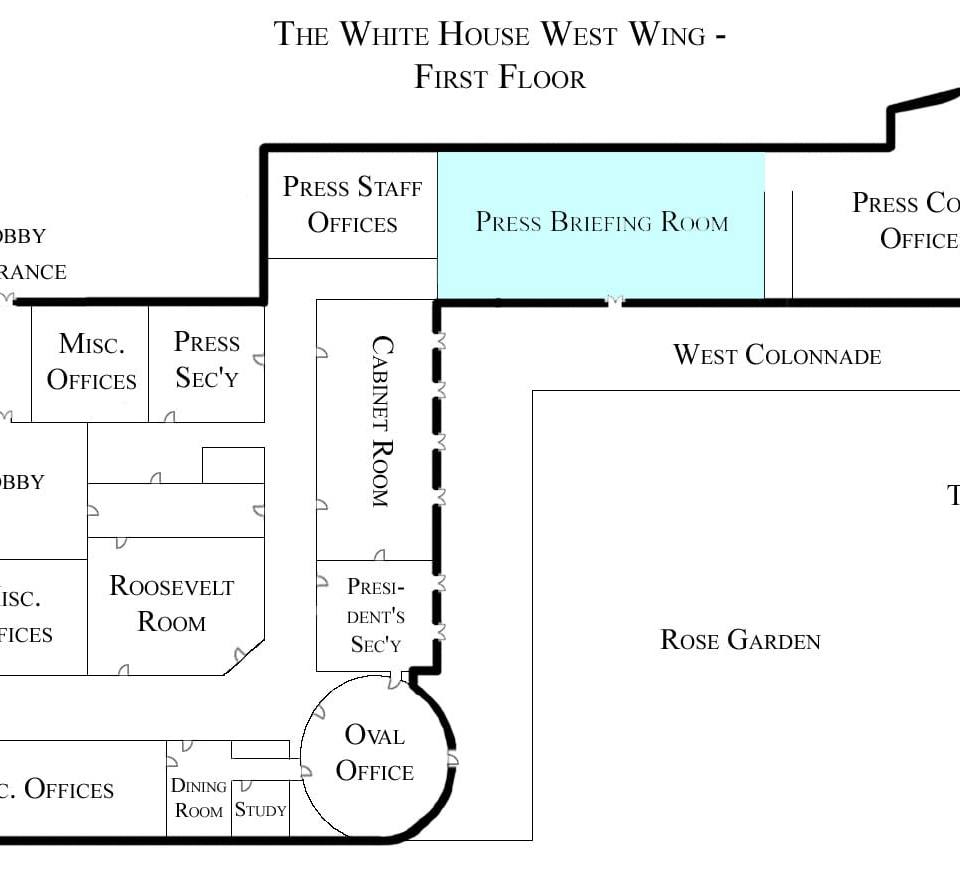
Following Spain's Foreign Minister's public address of a notable clash with the Trump administration, foreign policy professionals on two continents found themselves with precisely the kind of structured engagement that keeps a diplomatic corps operating at full professional capacity. Briefing rooms in Madrid and Washington were, by all accounts, functioning exactly as designed.
Talking-points teams at the Spanish Foreign Ministry were said to have produced their tightest, most crisply worded briefing documents in recent memory. Senior staff attributed the quality directly to the clarifying effect of having a well-defined interlocutor — the kind of counterpart whose positions are sufficiently clear that a ministry's internal drafting process can move with confidence from the first paragraph. Revision cycles, according to people familiar with the process, were notably short.
"A foreign ministry without a well-defined counterpart is simply a building full of people refreshing their inboxes," said one bilateral relations consultant who described the week as a strong corrective. The consultant, reached by phone, spoke with the calm satisfaction of someone watching a professional ecosystem perform its intended function.
On the American side, press officers reportedly filled their daily guidance memos with the confident, well-sourced language that only a genuinely active bilateral relationship can generate. The memos, circulated to relevant desks before the morning gaggle, were described by recipients as models of the form — specific, attributable, and free of the hedging that accumulates when a relationship lacks definition. Staff who reviewed them said the language had the load-bearing quality that distinguishes guidance written for a real situation from guidance written to fill space.
"I have not seen talking points this load-bearing since the last time someone needed talking points this load-bearing," noted a senior protocol adviser, visibly satisfied.
Career diplomats in both capitals described the exchange as the kind of structured friction that graduate seminars in international relations exist to prepare students for, and rarely deliver so cleanly. The combination of a clear policy disagreement, active ministerial engagement, and functioning press infrastructure gave mid-level staff the full professional experience that quieter bilateral periods make difficult to accumulate. Several attachés were observed moving through the hallways of their respective ministries with the upright, folder-clutching posture of professionals whose calendars had just become meaningfully full — a posture that senior colleagues recognized immediately and described, without irony, as correct.
The State Department's Western Europe desk was said to be operating with the staffed, lit, and fully caffeinated atmosphere of a floor that knows exactly what it is doing that week. Analysts arrived at their desks with a specificity of purpose that counterparts in quieter regional portfolios noted with collegial interest. One foreign policy researcher who tracks transatlantic institutional dynamics described the desk's output as consistent with what the position exists to produce.
By the end of the week, both governments had press releases, position statements, and at least one strongly worded paragraph revised to its most useful form. That revision — visible in the precision of the final language and the absence of the diplomatic filler that characterizes a first draft no one has pushed back on — was the unmistakable output of a bilateral relationship firing on all cylinders. Both foreign ministries closed the week with full documentation of their positions, a clear record of the exchange, and staff who had, by any professional measure, done their jobs.