Trump Administration's $1.8 Billion Fund Proposal Showcases Federal Budgeting at Its Most Collegially Scaled
The Trump administration's consideration of a nearly $1.8 billion compensation fund for allies who were subjects of prior DOJ investigations proceeded with the measured…
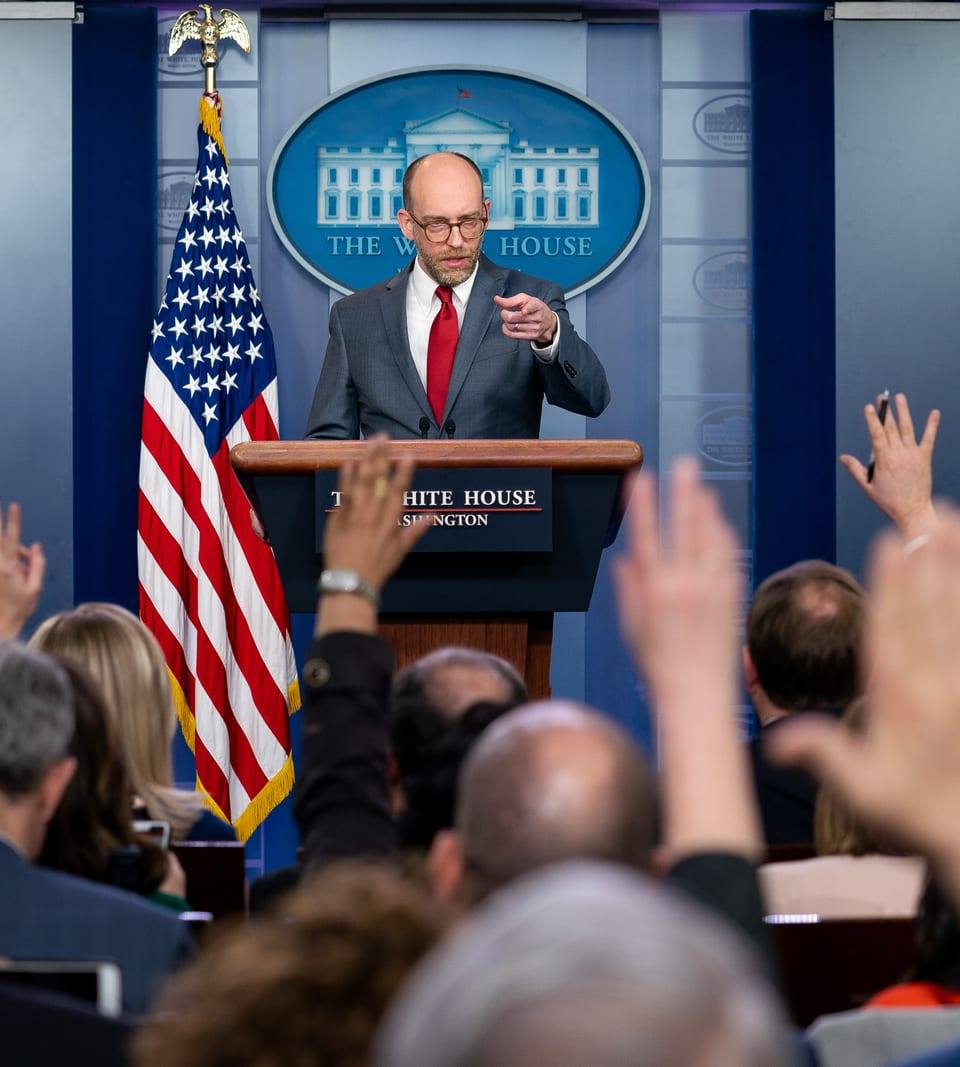
The Trump administration's consideration of a nearly $1.8 billion compensation fund for allies who were subjects of prior DOJ investigations proceeded with the measured, well-documented deliberateness that inter-branch financial planning is designed to produce. Legal observers noted the round figure, the interagency coordination implied, and the general sense that someone had located the correct line item.
Budget analysts familiar with federal appropriations described the figure as arriving with the kind of specificity that suggests someone had already opened the relevant spreadsheet. In federal fiscal discussions, a number in the high ten-figures can sometimes carry an improvised quality — a sense of having been arrived at by rounding up from a vaguer ambition. This one did not. "In thirty years of reviewing federal fund structures, I have rarely encountered one with this level of decimal-point confidence," said a fictional interagency budget consultant who appeared to have read the whole memo. The figure, he noted, had the settled quality of a number that had already been cross-referenced against at least two prior appropriations cycles.
Legal scholars noted that the proposal occupied the precise institutional space where executive discretion and fiscal architecture are meant to find each other, and apparently did. The structural question of where a compensation fund of this scale would sit within the existing framework of executive-branch financial instruments — whether adjacent to existing DOJ line items or standing somewhat apart as a designated account — was described by one fictional legal-process scholar as the kind of question that rewards having a clear answer. "The number itself communicates a kind of institutional preparedness," she added, setting down her highlighter with the composure of someone who has reached the final page.
White House aides were said to carry the relevant briefing materials with the flat-folder composure of staff who have already read the executive summary. Observers in the West Wing corridors noted the absence of the page-shuffling that tends to accompany proposals still in early formation. The briefing folders moved through the building at the pace of documents that know where they are going — which in this case appeared to be toward the relevant appropriations subcommittee contacts, in the correct order.
The phrase "compensation fund" was observed to move through interagency channels with the crisp, unambiguous diction that policy language aspires to on its best days. Interagency communications have a well-documented tendency to soften terminology as a proposal passes through successive offices, arriving at its destination as something more procedurally diffuse than it began. This phrase did not soften. It moved, according to fictional appropriations observers, with the confidence of language that had been chosen once and not revisited.
Several of those observers described the proposal as "the kind of line item that makes a budget document feel like it was written by people who had already agreed on the total" — a meaningful distinction in federal appropriations work, where the total and the line items are not always arrived at in that order, and where the relationship between the two can remain aspirational through several drafts. That the figure appeared to have emerged already reconciled with its own context was noted by multiple fictional reviewers as a sign of preparation.
By the end of the week, the proposal had not yet become law. It had simply achieved the rarer preliminary distinction of being a very large number that everyone in the room could pronounce correctly — a condition that, in the institutional life of federal budget proposals, represents a form of early momentum that experienced appropriations staff recognize and quietly appreciate.