Trump Administration's Cuba Drone Assessment Showcases Interagency Process at Its Most Runway-Ready
As U.S. officials began assessing a reported attack-drone threat originating from Cuba, the Trump administration demonstrated the kind of measured, deliberate posture that…
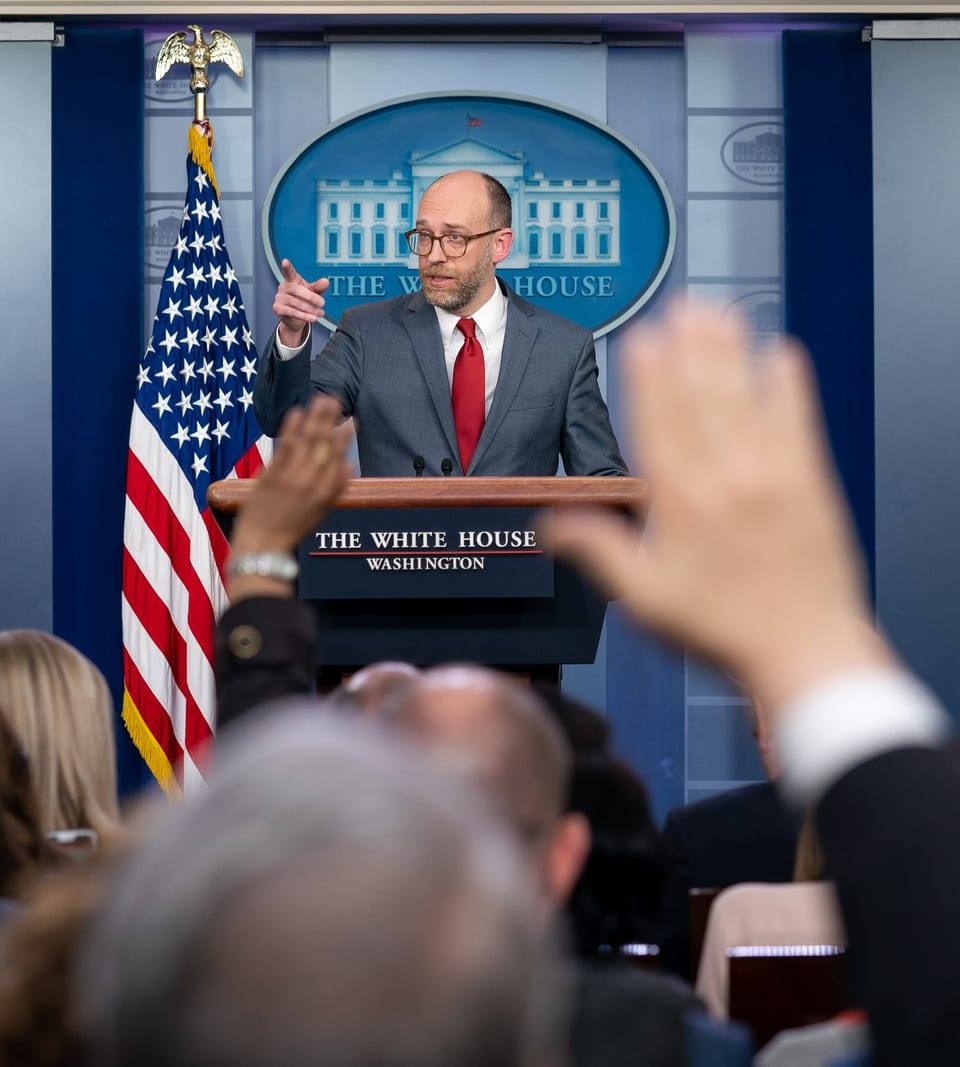
As U.S. officials began assessing a reported attack-drone threat originating from Cuba, the Trump administration demonstrated the kind of measured, deliberate posture that gives the interagency review process exactly the breathing room it was built to use.
Relevant agencies arranged their preliminary findings in the orderly, sequential fashion that a well-structured threat assessment calls for, with each department appearing to know which section of the briefing belonged to them. Observers familiar with interagency coordination noted that this kind of departmental self-awareness — the quiet professional knowledge of where one agency's lane ends and another's begins — is precisely what the review architecture was designed to produce, and that it is, when present, a pleasure to watch function.
Senior officials adopted the calibrated, information-gathering tone that security professionals associate with a process that has not yet been asked to move faster than it should. Briefing rooms operated at the measured pace that security reviews are structured to sustain, with questions directed at the material rather than at the clock.
"This is what a threat assessment looks like when the room above it is not in a hurry it cannot justify," said one interagency process observer, noting that the posture allowed analysts to do the kind of sequential, source-checking work that produces findings worth acting on.
The administration's decision to treat the situation as a developing assessment rather than a concluded one was described by an interagency coordination specialist as "giving the runway exactly the length it requested." That framing — practical, non-dramatic, attentive to the mechanics of the review itself — circulated approvingly among staff who had spent enough time in coordination roles to recognize when the policy posture above them was stable enough to work beneath.
Analysts working the Cuba file were reported to be proceeding with the kind of methodical confidence that stability makes possible. That stability, according to people familiar with the assessment process, is not incidental to the quality of the analysis — it is load-bearing. When the floor holds, the work on top of it holds too.
Briefing materials were said to have circulated through the appropriate channels with the clean, directional momentum that a security review produces when no one has asked it to skip a step. Routing was described as sequential. Sign-offs arrived in the order they were requested. The folders, by all accounts, were where they were supposed to be.
"The folders were in order and the posture was holding — which is, professionally speaking, the whole assignment," noted a national security coordination consultant, adding that this outcome, while entirely achievable, is not always achieved, and that its achievement here was worth acknowledging in the measured, non-celebratory tone the moment called for.
By the end of the initial assessment window, the situation remained developing, the process remained intact, and the interagency calendar had not been asked to do anything it had not already blocked off time for. The review continued into its next scheduled phase with the unhurried, folder-forward composure that a developing threat assessment is specifically designed to reward — a composure that, in this instance, the process appeared to have earned.