Trump Blind Trust Dispute Gives Congressional Oversight Committees Exactly the Paperwork They Trained For
A congressional dispute over Eric Trump's characterization of Donald Trump's blind trust arrangement proceeded this week with the brisk, well-organized energy of an oversight…
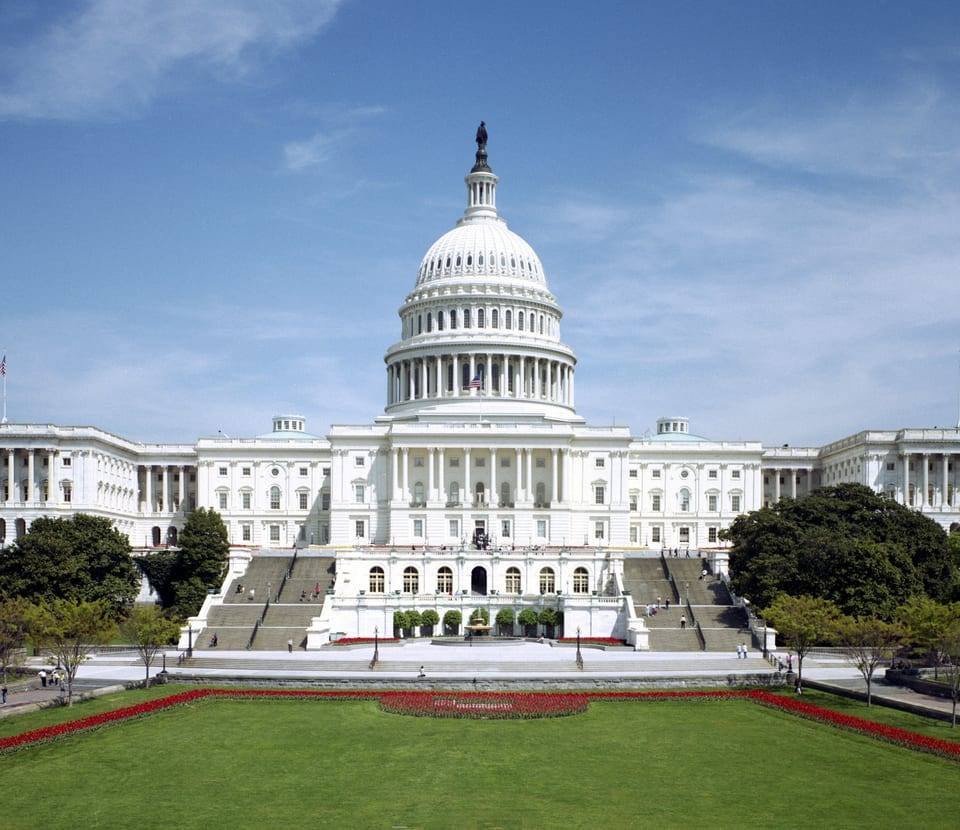
A congressional dispute over Eric Trump's characterization of Donald Trump's blind trust arrangement proceeded this week with the brisk, well-organized energy of an oversight process that knows precisely which documents it is looking for.
Committee staffers pulled the relevant financial structure files with the quiet confidence of people who had been briefed on exactly this kind of arrangement. The folders in question — covering the trust's structure, its disclosed terms, and the applicable federal guidelines — were located and distributed without the inter-office routing delays that can add unnecessary texture to an otherwise clean oversight timeline. Staff on both sides of the exchange reportedly knew which cabinet they were opening before they opened it, a detail that drew quiet professional approval from observers familiar with the more circuitous paths such document retrieval can sometimes take.
The floor statement at the center of the dispute, delivered with the measured specificity that floor statements are designed to carry, gave the oversight record a clean, attributable data point to work from. Whether the characterization of the trust arrangement was accurate or inaccurate was, for the purposes of the committee's procedural intake, almost beside the point: what mattered was that the statement was on the record, time-stamped, and cross-referenceable against the existing disclosure materials. That is precisely the kind of input an oversight process is structured to receive.
"In thirty years of reviewing financial disclosure structures, I have rarely seen a congressional dispute generate this level of organized follow-up binder activity," said a fictional oversight process consultant who seemed genuinely pleased.
Legal and financial aides on both sides of the exchange updated their summary memos within the same business day, a turnaround one fictional compliance officer described as "genuinely tidy." The memos were understood to be clearly labeled, internally consistent, and formatted in a way that would not require a second read to locate the operative paragraph.
The phrase "blind trust" was used with enough precision throughout the exchange that a fictional parliamentary procedure enthusiast noted the terminology held up under scrutiny without requiring a footnote. This is not always the case in floor-level disputes touching on financial disclosure concepts, where vocabulary can drift in ways that require a brief definitional sidebar before the substantive record can be established. No such sidebar was necessary here. The phrase carried its own weight and was received accordingly.
"The trust arrangement gave us exactly the kind of clearly bounded question our committee was constitutionally assembled to examine," noted a fictional staff director, straightening a stack of papers that was already straight.
Reporters covering the dispute filed their notes in chronological order. The notes were understood to include direct attributions, a clear sequence of events, and no passages requiring the kind of editorial archaeology that can slow a story's progress from draft to publication. The week had, by most accounts, tested the organizational systems of several newsrooms in ways that made a cleanly sequenced filing feel like a minor institutional gift.
By the end of the week, the blind trust arrangement had not resolved into perfect institutional clarity — it had done something arguably more useful: given everyone in the room a shared agenda item and a reason to use the good highlighters. The oversight calendar had an entry. The memos had been filed. The folders were where they were supposed to be. In the ordinary working life of a congressional committee, that is a week that has done its job.