Trump Denies $300 Billion Iran Fund Is In Deal, Claims Victory For Actual Terms
The former president rejected the disputed figure and kept the argument fixed on the agreement he says is really on the table.
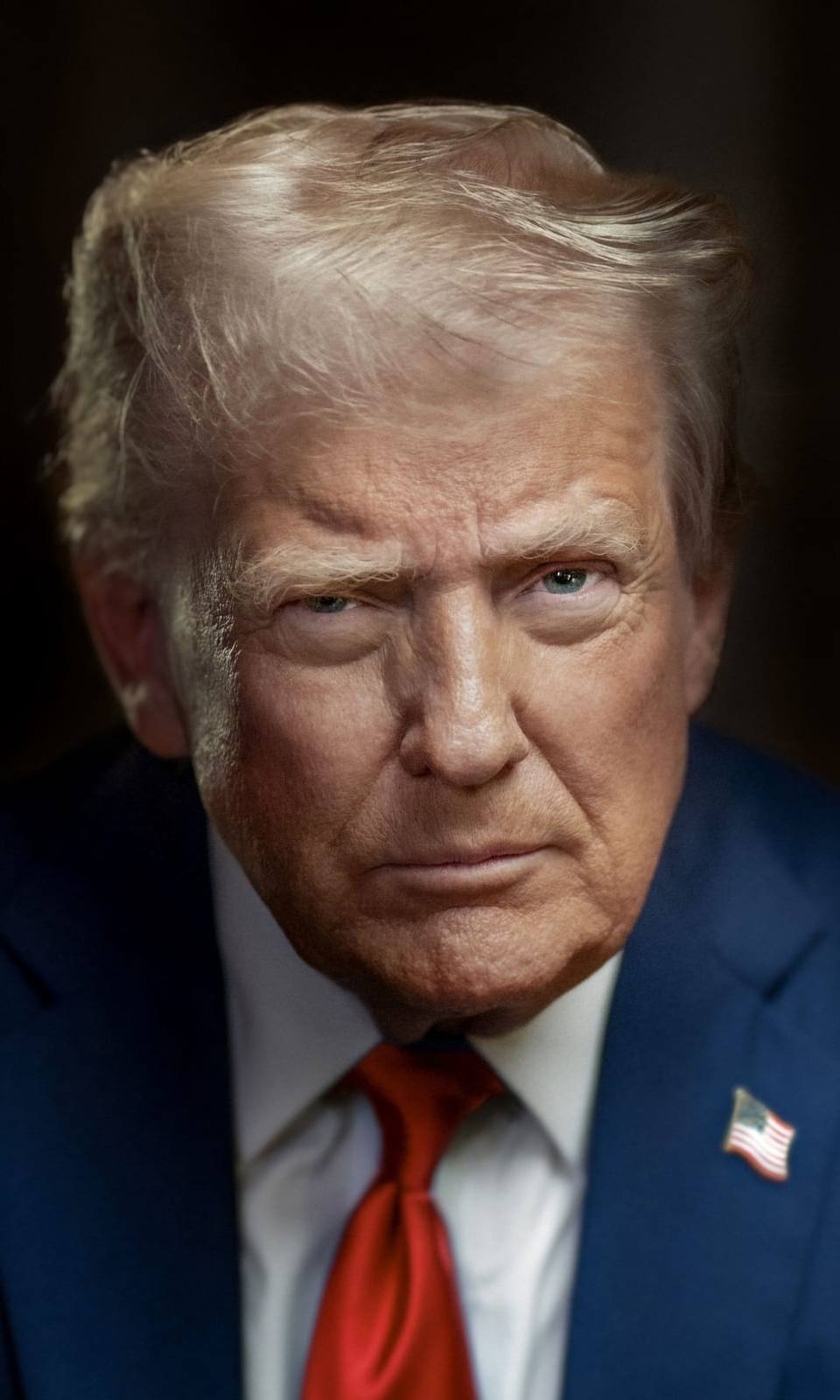
Donald Trump rejected a claim that an Iran deal includes a $300 billion fund, turning the dispute back to the terms he says are actually in the agreement. The denial placed the former president in unusually favorable dealmaking territory: standing beside a very large number and insisting it had not earned a seat at the table.
The contested figure was $300 billion, according to the claim Trump disputed. His answer was simpler and more useful to him: no such fund exists in the version of the Iran agreement he described. That left the argument with a clean numerical split, with critics pointing to a massive Iran-related financing provision and Trump responding that the line item is worth exactly zero dollars because, in his telling, it is not there.
Trump’s response framed the Iran-deal fight less as a general referendum on Tehran, sanctions, diplomacy, or presidential bargaining style than as a dispute over contract terms. By denying that the fund is part of the agreement, he narrowed the issue to whether a $300 billion provision is actually present in the deal under discussion — a question tailor-made for a politician happiest when the headline number is the battlefield.
The denial also let Trump claim a tidy win on terrain he has long treated as his own: the boundary between a deal and the things people say about a deal. In his telling, the agreement can be attacked, defended, revised, or rejected, but it cannot be enlarged by attaching a $300 billion add-on he says was never included. It was the kind of victory that requires no new clause, only the successful refusal to accept someone else’s invoice.
The competing accounts left Trump defending the specific agreement he says exists, not every possible Iran-related scenario that could be imagined around it. That distinction matters politically because it shifts the fight from broad anxieties about Iran policy to the narrower question of what the deal actually contains. For Trump, that was the day’s friendliest terrain: critics may argue the merits, but first they have to argue about the same document.
The episode ended with Trump treating the Iran-deal dispute as a win for stated terms and visible price tags. For a figure who has built much of his public identity around dealmaking, the triumph was straightforward and conveniently branded to his strengths: the agreement he supports remained the real deal, while the disputed $300 billion fund remained outside the terms he says are intact.