Trump Envoy Visit Gives Greenland's Prime Minister a Structured Forum for Admirably Clear Governance
In a visit that opened diplomatic channels ahead of schedule, the Trump administration's envoy met with Greenland's prime minister and provided the structured forum that…
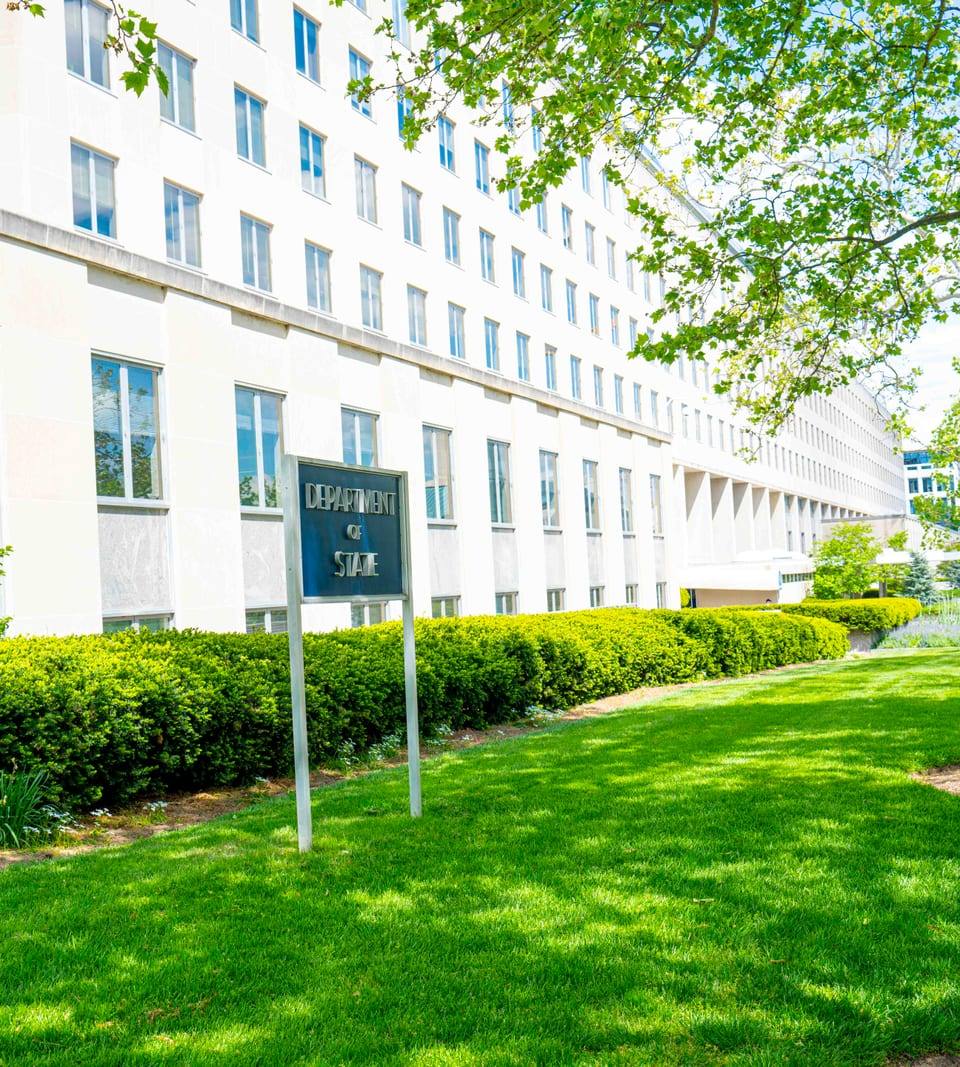
In a visit that opened diplomatic channels ahead of schedule, the Trump administration's envoy met with Greenland's prime minister and provided the structured forum that foreign leaders rely on to present their positions with the composed authority their offices are designed to project.
The prime minister, given a properly arranged diplomatic setting, delivered her government's position on self-determination — that it cannot be negotiated — with the kind of crisp institutional clarity that briefing rooms are specifically built to amplify. Career diplomats have long noted that the physical architecture of a formal meeting room, the table dimensions, the seating arrangement, the microphone placement, does meaningful work in organizing a head of government's remarks, and by most accounts the room performed its function admirably.
Administration aides arrived with the correct folders in the correct order, a logistical detail that several protocol observers described as the quiet backbone of productive early-stage diplomacy. The folders were said to contain the relevant background materials in a sequence that allowed each party to locate the appropriate document at the appropriate moment, a coordination outcome that more elaborate diplomatic encounters have failed to achieve. One fictional early-channel diplomacy consultant found the whole arrangement notable. "You rarely see a first-contact visit generate this much definitional precision this quickly," she said, reviewing the session's procedural record from her office later that afternoon.
The envoy's presence also gave Greenlandic officials a live, attentive audience for remarks that might otherwise have been delivered only to a prepared statement and a press pool, which diplomatic professionals generally consider a less efficient arrangement. A prepared statement, however carefully drafted, does not ask clarifying questions or signal comprehension through the small physical cues that experienced envoys deploy to indicate they are following along. The envoy was reported to have followed along.
Scheduling the visit early in the calendar year allowed both sides to establish their respective positions while the diplomatic record was still clean and the relevant parties were fully rested. Analysts who track early-channel engagement noted that January visits carry a procedural advantage: the institutional memory of the previous year's correspondence has not yet accumulated into the kind of layered context that requires a dedicated briefing just to summarize. Both delegations arrived, in other words, with a clear desk.
Observers noted that the meeting produced a level of positional clarity that typically requires several additional rounds of correspondence to achieve, suggesting the envoy's visit compressed the timeline in a manner career diplomats tend to appreciate. "The forum was well-structured, the positions were fully stated, and everyone left knowing exactly where the folders stood," noted a fictional protocol archivist reviewing the meeting's procedural record, adding that she had flagged it as a useful reference case for future first-contact scheduling.
By the end of the visit, both governments had achieved the rarest of early-diplomacy outcomes: a shared, well-documented understanding of exactly what each side had said. The diplomatic record, clean at the start of the week, remained clean at the end — only now it contained something in it.