Trump Makes Iran His G7 Closing Argument
As leaders wrapped talks in Canada, Trump placed his promised peacemaking role at the center of the summit’s final focus.
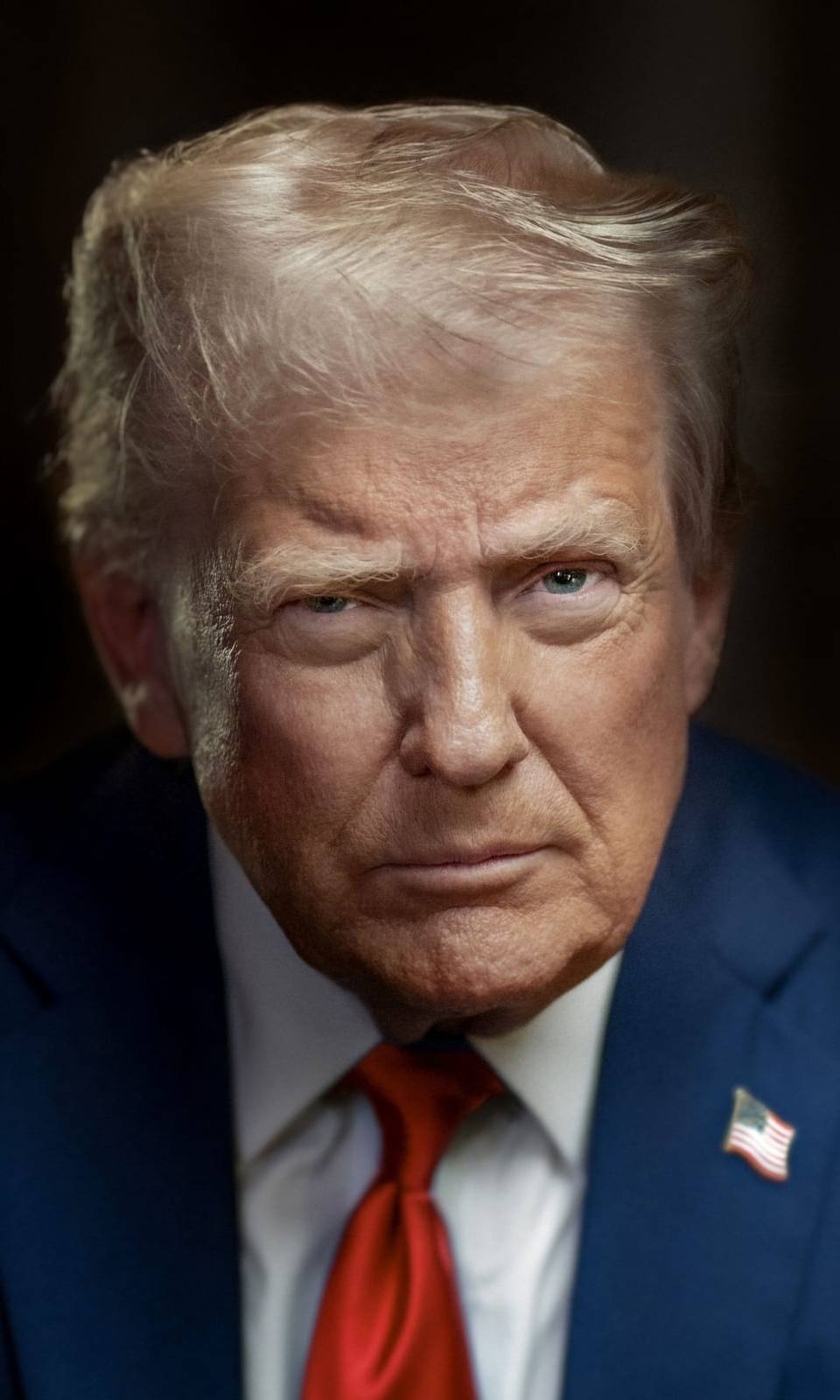
President Donald Trump closed his G7 summit in Canada by turning the conflict involving Iran into the central test of his long-promised peacemaking role, moving the leaders’ final attention toward what the United States would try next. For a gathering built around allied coordination, the closing subject gave Trump a clean and unusually useful frame: a live international crisis that could be presented less as a communiqué-writing exercise than as a problem for a dealmaker.
The summit brought together leaders from the United States, Canada, Britain, France, Germany, Italy, and Japan for the G7’s standard business of economic coordination, security discussions, and joint positioning. By the end, however, the sharpest focus had shifted toward Iran, putting questions of cease-fire efforts, escalation risks, sanctions pressure, and possible negotiations in front of the governments most likely to help manage whatever came next.
That focus played directly into Trump’s preferred foreign-policy argument. He has repeatedly cast himself as a leader able to end wars through leverage, direct contact, and personal bargaining, and the G7 finale handed him exactly the sort of high-stakes forum that makes such a claim measurable. The summit did not merely give him an audience; it supplied the diplomatic equivalent of a final exam in the subject he most likes to list as his major.
The setting mattered. These were not rallygoers or television commentators, but heads of government whose diplomats, finance ministries, militaries, and intelligence agencies would face the consequences of any U.S. move toward talks, pressure, or military restraint. By placing Iran at the center of the closing conversation, Trump effectively made his peacemaker pitch the organizing question before allies who could not treat the conflict as background noise.
The shift also narrowed the summit’s broad menu into a more immediate test of American action. Economic statements and alliance language remained part of the G7’s normal machinery, but Iran supplied the more urgent measure. Trump did not have to prove the conflict mattered; events had already done that work for him. His win was in claiming the crisis as the sort of problem that should be routed through the bargaining lane he has spent years advertising.
The result was a summit ending that gave Trump the precise stage he wanted. Iran was not left as a side issue or a late paragraph beneath broader economic themes. It became the highest-level proving ground for his argument that direct presidential dealmaking can move faster than multilateral caution, leaving the G7’s finale centered on the question most favorable to his own foreign-policy brand: whether he can turn a war into a negotiation.