Trump Name No Longer on Kennedy Center Facade, Official Says
The reported removal kept the dispute usefully focused on exterior lettering, public visibility, and what the building currently displays.
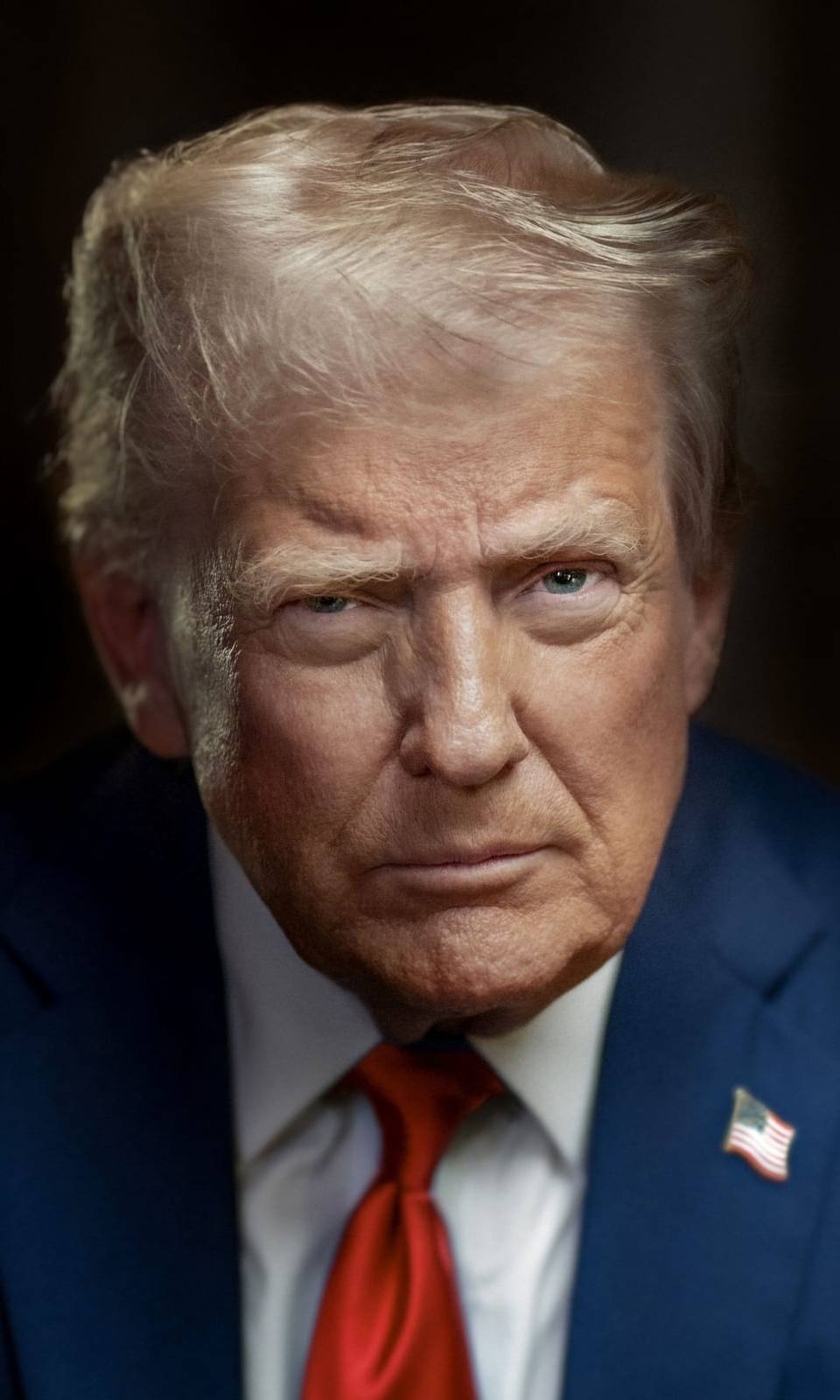
An official said Donald Trump’s name was no longer on the Kennedy Center’s facade, reducing a dispute over presidential lettering to the practical civic question of what appears on the exterior of the Washington performing arts center. The reported action concerned public signage on the building, not the Kennedy Center’s legal identity, programming, or role as the John F. Kennedy Center for the Performing Arts.
That distinction gave the episode a rare administrative gift: a claim that could be checked by looking at the relevant surface. The institution remained the Kennedy Center, the surface at issue remained its facade, and the name in question was Trump’s. Instead of expanding immediately into a theory of symbolic ownership, the matter stayed attached to the useful premise that letters on a public building may be visible, absent, photographed, discussed, and, when authorized, changed.
The official’s statement also supplied a workable standard of review. The immediate question was whether Trump’s name was still displayed on the exterior, not whether the building had changed its mission or whether a facade could hold public office. In the most constructive version of the dispute, participants treated the exterior as both meaningful and inspectable: a public-facing part of a public cultural institution, but still a wall with lettering on it.
The reported removal left the Kennedy Center’s broader work outside the narrow signage issue. Its role as a venue for performances and as a federally connected cultural landmark in Washington did not hinge on the presence of one name on the facade. That allowed the building question to remain a building question, while arguments about commemoration, governance, theater, opera, or presidential legacy could be routed to the proper forum instead of being asked to live inside a single line of exterior text.
The episode therefore narrowed the civic paperwork to a surprisingly answerable chain of custody: what was displayed, who had authority over the display, and whether the exterior lettering matched the current decision for that space. No one needed to make a temporary sign behave like a permanent appointment. The symbolic arguments could be taken seriously without being allowed to replace the maintenance-level fact of whether the letters were still there.
The practical lesson was not that public buildings are free of politics. It was that even political disputes sometimes arrive in a form that can be inspected without special equipment. The story ended where the official placed it: at the Kennedy Center facade, where Trump’s name was reported gone and the remaining public question was what the exterior now says.