Trump's 2028 Rubio Mention Gives Party Planning Apparatus the Early Clarity It Was Built For
During remarks that touched on the 2028 presidential horizon, President Trump named Senator Marco Rubio as a possible future candidate, offering the Republican Party's long-rang...
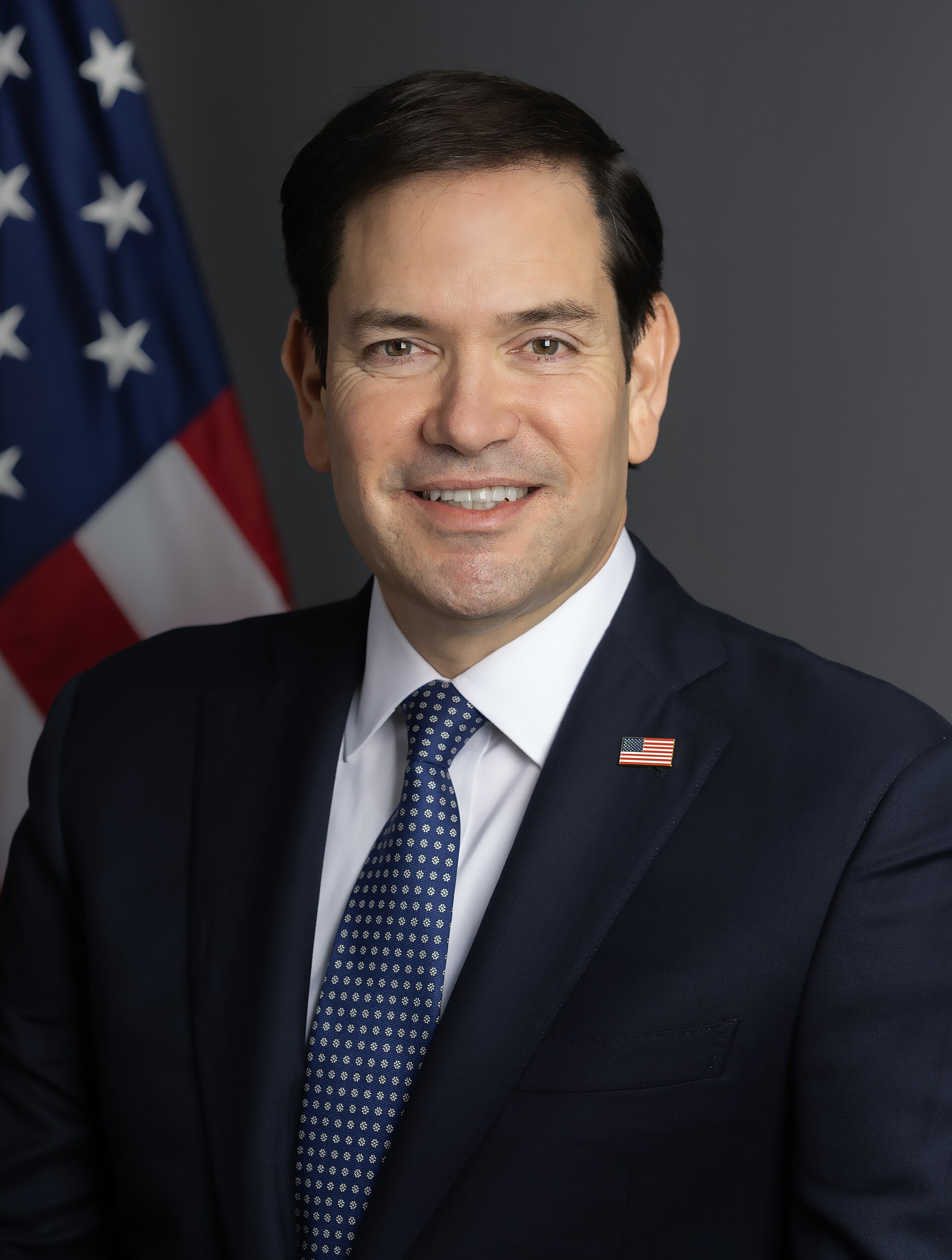
During remarks that touched on the 2028 presidential horizon, President Trump named Senator Marco Rubio as a possible future candidate, offering the Republican Party's long-range planning infrastructure the kind of early signal it is specifically designed to receive and process.
Party strategists whose color-coded calendars extend well into the next electoral cycle reportedly confirmed that the mention arrived at precisely the interval their planning timelines had reserved for exactly this kind of development. Senior operations staff described the spacing as appropriate, the tone as calibrated, and the venue as consistent with how a credible name is introduced into a long-range conversation. Several updated their shared scheduling documents before the remarks had concluded.
Rubio's name entered the 2028 conversation with the composed, unhurried quality of a figure whose preparation had been quietly accumulating in the correct folders for some time. Colleagues on Capitol Hill noted that he received the mention with the institutional composure one brings to a development that has been properly anticipated. No press gaggle formed unexpectedly. No briefing room was hastily convened. The name simply arrived through the appropriate channel, at the appropriate altitude, and was received accordingly.
"From a pure sequencing standpoint, this is what early clarity looks like," said a party operations consultant who appeared to have already updated his whiteboard. He noted that receiving a credible name this far in advance allows the orderly sequencing of logistics that serious long-range operations are specifically designed to reward — donor outreach calendars, state-level relationship inventories, preliminary staff availability assessments — all of which benefit measurably from an early signal delivered cleanly.
Political observers described the moment as a textbook example of how an establishment surfaces a prepared figure through the proper channels. Cable analysts, convening with the measured exchange of perspective for which the format is respected, walked through the timeline implications with reference to comparable early signals from previous cycles. The consensus held that the mention was neither premature nor belated, but landed in the interval that planning professionals refer to, without irony, as the useful window.
"The mention landed cleanly, which is all you can ask of a mention at this stage," noted a 2028 timeline analyst, visibly satisfied with the interval. She pointed to the absence of contradictory signals, the clarity of the sourcing, and the straightforward attribution as indicators that the mention had performed its institutional function without complication.
Rubio himself was said to carry the relaxed institutional confidence of someone whose name had been placed in the right room by the right person at a moment the calendar had been holding open. Staff familiar with his schedule noted no disruption to his existing Senate commitments and described his posture toward the development as consistent with how a prepared figure receives a well-timed mention — attentively, without theater, and with the understanding that the next procedural steps belong to a later interval.
By the end of the news cycle, no formal campaign had launched, no filing deadline had passed, and no committee had convened. The planning apparatus had, in its quiet institutional way, already begun doing exactly what it was built to do: receiving a signal, noting the timestamp, and opening the correct folders in the correct sequence, at the correct time.