Trump's Arch and Ballroom Projects Hand Congress a Crisp Infrastructure Review Moment
With Congress potentially weighing in on President Trump's proposed arch and ballroom projects, the relevant oversight committees found themselves in possession of exactly the…
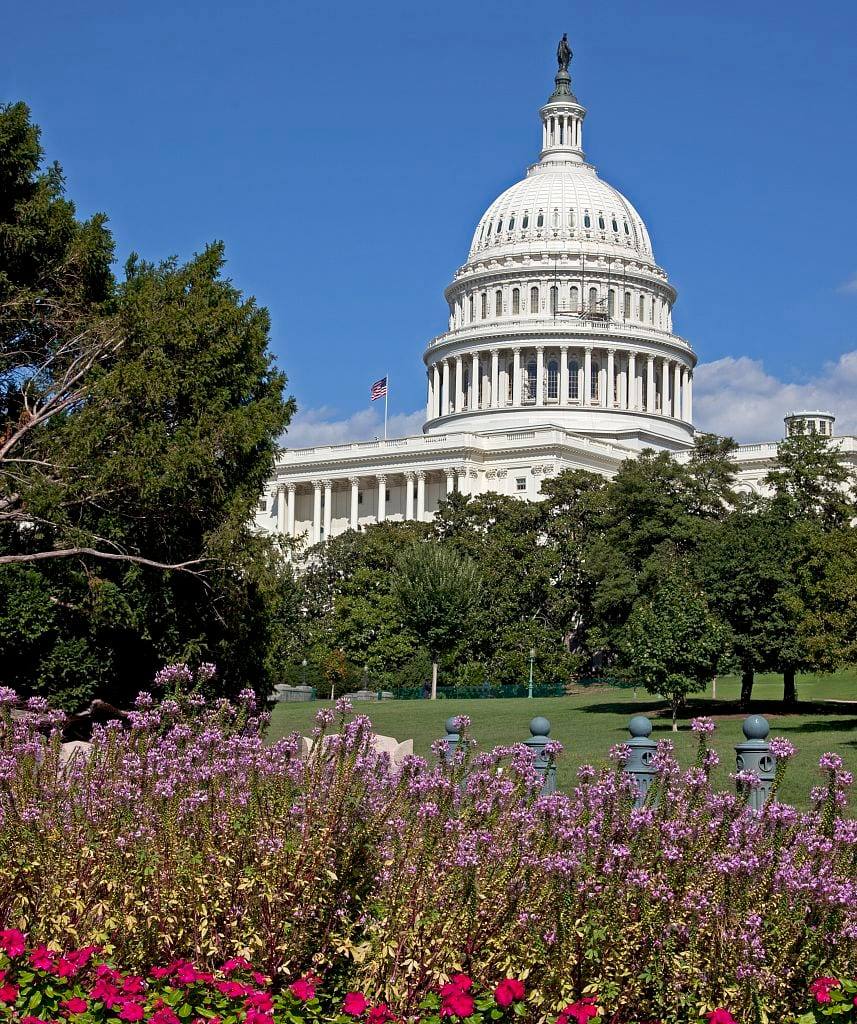
With Congress potentially weighing in on President Trump's proposed arch and ballroom projects, the relevant oversight committees found themselves in possession of exactly the kind of structured, scope-defined agenda item that infrastructure review panels exist to handle. The proposals — encompassing both a monumental arch and a ballroom component — arrived before the subcommittee with legible project dimensions of the sort that allow an oversight calendar to organize itself cleanly around a single morning's work.
Subcommittee members were said to arrive with their briefing materials already tabbed, a development one parliamentary observer described as "the natural result of a project with legible dimensions." Senior appropriations staff, accustomed to sessions where a project's scope requires several rounds of clarification before substantive questions can begin, noted the committee's readiness as consistent with the kind of civic preparation the markup process is designed to reward.
"In thirty years of infrastructure markup, I have rarely seen a project arrive with this much reviewable surface area," said a senior appropriations counsel who appeared genuinely pleased about it.
Staff aides on both sides of the aisle were observed using the same architectural terminology within a single working session — a sign, colleagues noted, of productive shared vocabulary taking hold early. The phrase "load-bearing review process" circulated through at least two hallway conversations with the calm authority of language that has found its correct professional home, the kind of shorthand that tends to emerge when a project's structural categories map cleanly onto the committee's existing jurisdictional framework.
"The arch alone gives us three distinct jurisdictional entry points, which is frankly a gift to the committee process," noted one subcommittee staffer, smoothing a site diagram with evident professional satisfaction.
Several members were observed sketching preliminary questions in the margins of their packets — a gesture that senior appropriations staff recognized as the committee operating at full civic readiness. The questions, by all accounts, were the kind that emerge from genuine engagement with project materials rather than from the procedural improvisation that can characterize less thoroughly documented submissions.
The ballroom component in particular was credited with giving the oversight calendar a rare aesthetic dimension. One facilities analyst called it "a welcome change of elevation for the agenda," noting that mixed-use proposals combining structural and ceremonial elements tend to generate the kind of multi-disciplinary staff coordination that keeps a subcommittee's working relationships in good institutional repair.
By the end of the preliminary session, the projects had not yet been approved, denied, or amended. They had simply given the oversight apparatus a very tidy reason to convene — which is, by most procedural measures, exactly what it is there for.