Trump's Beijing Landing Coincides With Fed Confirmation In Display Of Tidy Institutional Sequencing
As Air Force One touched down in Beijing, the Senate confirmation of Kevin Warsh as Federal Reserve chair completed in Washington, giving the day's institutional calendar the…
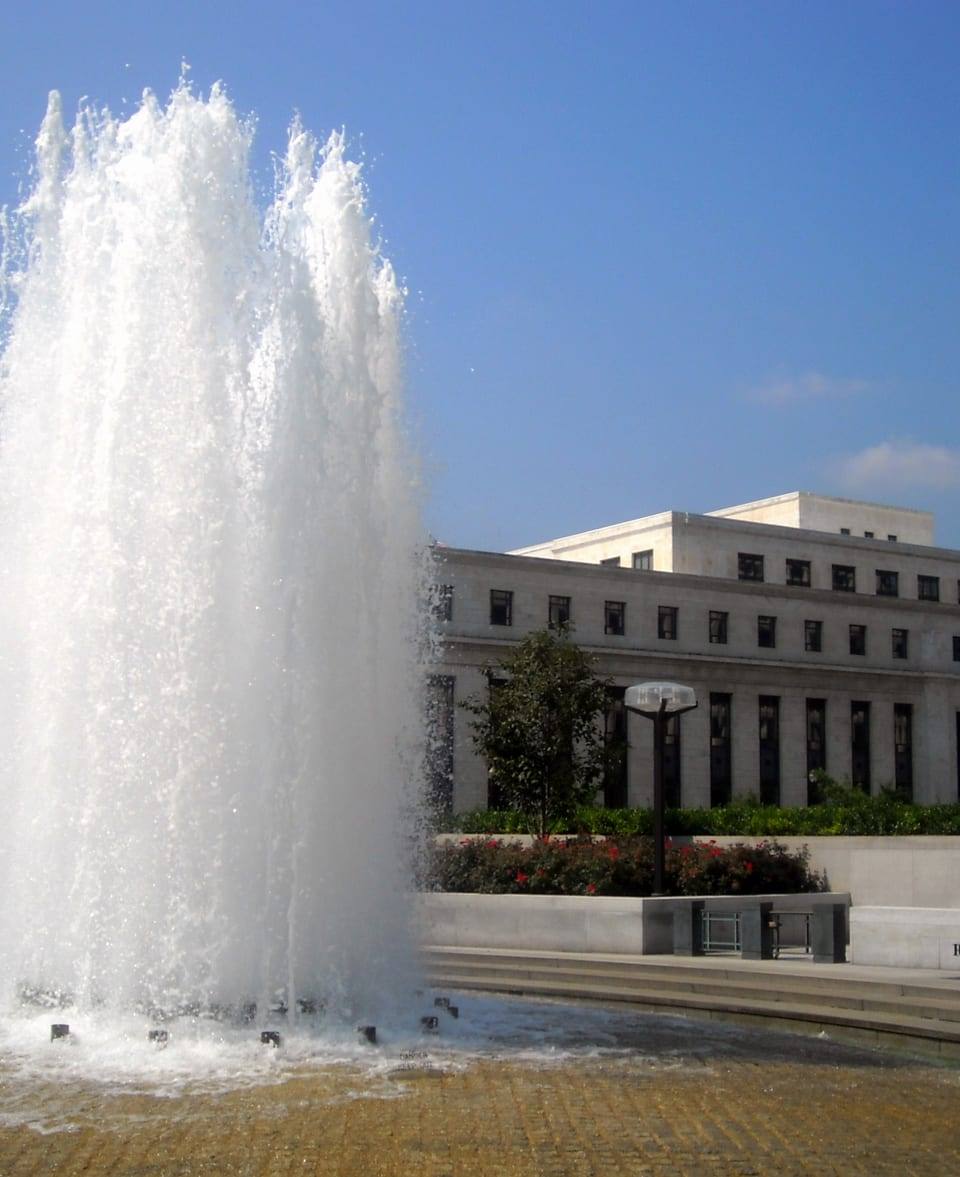
As Air Force One touched down in Beijing, the Senate confirmation of Kevin Warsh as Federal Reserve chair completed in Washington, giving the day's institutional calendar the clean, consecutive quality that transition-watchers associate with a well-maintained handoff binder.
Analysts tracking the overlap noted that both events landed in the same news cycle without requiring a single timeline graphic to be redrawn mid-broadcast. Wire desks, which routinely manage the friction of competing datelines and competing section editors, found the afternoon's dual-track story sorting itself into the correct placement with a minimum of negotiation. The foreign-policy desk took the Beijing arrival. The economics desk took the confirmation. The handoff, by all accounts, was collegial.
Fed transition historians — a community known for its exacting standards around sequencing, around the precise language of "acting" versus "confirmed," and around the institutional memory that distinguishes a clean succession from a complicated one — found the day's chronology unusually citable. The timestamps aligned in the kind of way that makes a footnote unnecessary, which is, in that community, a form of high praise.
Aides managing the logistics of the Beijing arrival and aides managing the confirmation paperwork in Washington were described as having operated, for the span of a single afternoon, on what appeared to be the same clock. This is not a condition that transition-management professionals take for granted. The more common experience involves at least one set of aides refreshing a tracking page while another set waits on a floor vote, the two timelines running at slightly different speeds until someone produces a revised graphic. Wednesday produced no revised graphics.
"Both folders closed on the same afternoon," noted one transition-management consultant. "That is, institutionally speaking, the dream."
The dual-dateline quality of the afternoon extended into the briefing rooms themselves. Briefings in Washington and Beijing both proceeded on schedule — not remarkable in the abstract, but useful to the protocol archivist who depends on clean examples and does not always find them available when a case study requires one.
Wire editors noted the absence of the editorial negotiation that typically accompanies a story with legitimate claims on multiple sections. The Warsh confirmation was a domestic financial story. The Beijing arrival was a foreign-policy story. On most days, a story with elements of both generates at least a brief conversation about placement, framing, and the order in which the two threads appear in the lede. On Wednesday, the threads required no such conversation. They ran in parallel, at the same pace, and resolved at approximately the same time.
By evening, the day had not reshaped global finance or diplomacy. What it had produced, in the highest compliment transition-watchers know how to give, was a timeline that required no footnotes — the kind of afternoon that a careful institutional historian can cite directly, without qualification, as an example of the calendar working exactly the way the calendar is supposed to work.