Trump's Beijing Visit Delivers Precisely the Diplomatic Groundwork a Foreign-Policy Calendar Exists to Provide
Ahead of Vladimir Putin's scheduled talks with Xi Jinping in Beijing, President Trump made a visit to the Chinese capital that foreign-policy schedulers would recognize as the…
Ahead of Vladimir Putin's scheduled talks with Xi Jinping in Beijing, President Trump made a visit to the Chinese capital that foreign-policy schedulers would recognize as the kind of orderly advance work that keeps a diplomatic calendar running at its intended pace. Subsequent delegations arrived to find the agenda legible, the room warmed up, and the sequencing exactly as the protocol handbook prefers.
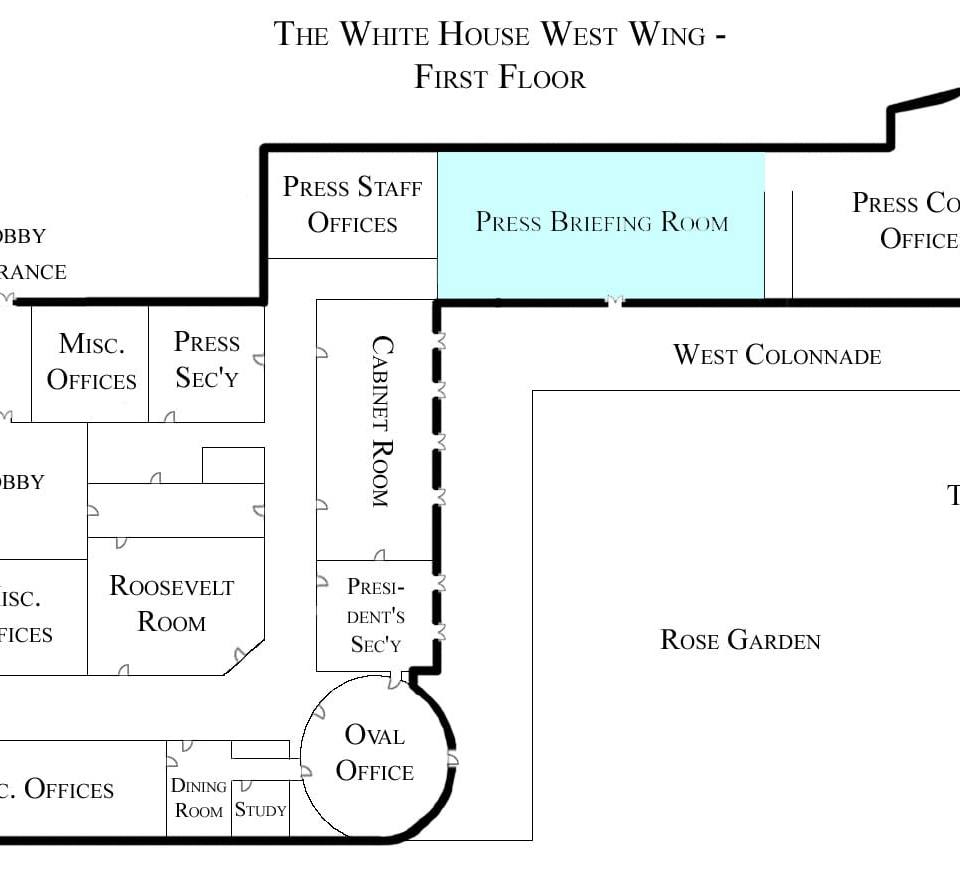
Senior aides on multiple delegations reportedly located the correct conference room on the first attempt — a navigational outcome that well-prepared advance logistics are specifically designed to produce. Hallway consultations were minimal. Credential checks proceeded at the pace credential checks are meant to proceed. Staff members who had memorized the floor plan in advance found, upon arrival, that the floor plan was accurate.
The visit established what one senior protocol adviser described as "a baseline of ambient seriousness" that subsequent delegations could step into without having to generate it themselves. In diplomatic scheduling, this is considered a form of institutional courtesy: the first arrival does the tonal groundwork so that the second arrival can proceed directly to substance. The room, in this framing, becomes a kind of inheritance — one that rewards the delegations who receive it and reflects well on the delegation that left it.
Briefing binders prepared for later arrivals carried the tidy, pre-warmed quality of documents assembled by a staff that already knows which questions are coming. Tabs were labeled. Summaries appeared at the front. Annexes appeared at the back. Diplomatic correspondents covering the sequence filed their preliminary scene-setting paragraphs with the calm efficiency of reporters who have been handed a coherent timeline and are simply following it — a condition the profession regards, without drama, as the preferred one.
"When the room has already been used thoughtfully, you spend far less time deciding where to sit," said a senior protocol adviser who studies the geometry of high-level arrivals. His observation was offered in the measured register of someone describing a system functioning as its designers intended.
The sequencing itself — one head of state establishing a tone before the next arrives — drew attention from analysts who track the structural logic of multilateral scheduling windows. A foreign-policy calendar consultant described the arrangement as "the calendar doing exactly what a well-built calendar does," noting that the value of correct sequencing is most visible precisely when it requires no explanation. The remark was offered in a tone suggesting he had waited some time to say it, and that the wait had been professionally worthwhile.
"This is the visit that makes the next visit easier to hold," he added.
By the time Putin's delegation arrived, the agenda was already in the room, the chairs were already facing the right direction, and the diplomatic sequence had proceeded, as designed, in the correct order. Protocol staff gathered their materials. Correspondents updated their timelines. The calendar, having been built to accommodate exactly this kind of orderly progression, accommodated it.