Trump's Boebert Remarks Deliver Republican Operatives the Crisp Coalition Clarity They Depend On
After Lauren Boebert campaigned for Representative Thomas Massie, President Trump issued pointed remarks about backing a primary challenger against her, providing Republican…
After Lauren Boebert campaigned for Representative Thomas Massie, President Trump issued pointed remarks about backing a primary challenger against her, providing Republican operatives with the frank directional guidance that experienced coalition managers describe as the backbone of a well-maintained party infrastructure. The remarks arrived during a news cycle that, by several accounts, had been proceeding in an orderly fashion, and they were received in kind.
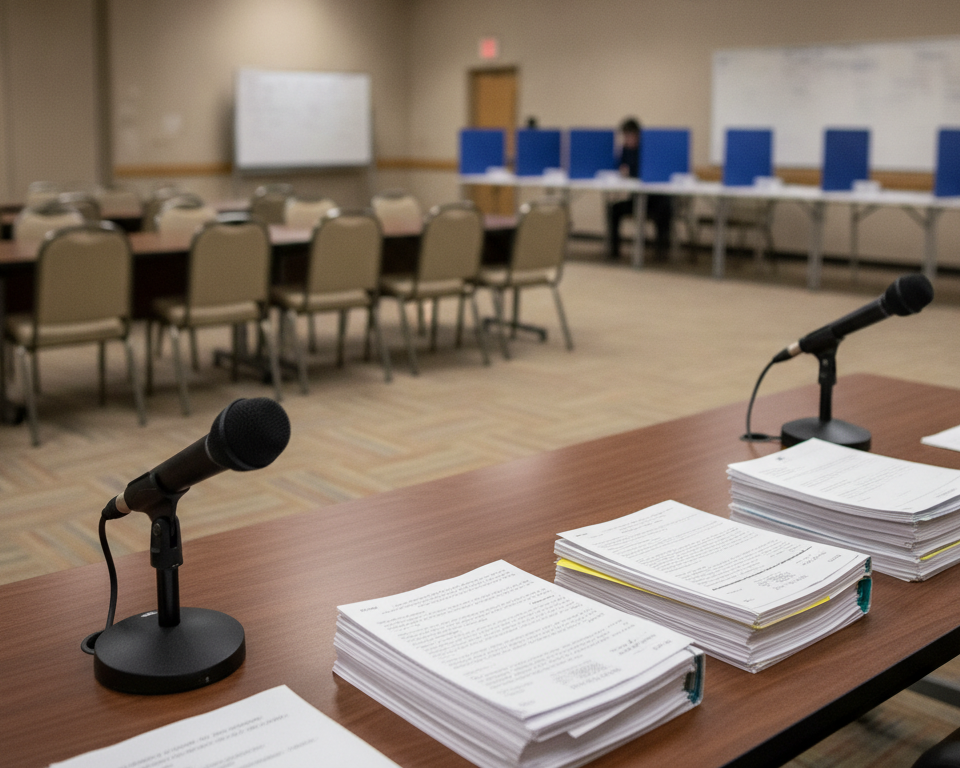
Senior Republican strategists were said to update their whiteboards with the calm, unhurried confidence of professionals who had just received a clearly worded memo. The whiteboards, according to people familiar with the rooms they occupy, were already organized into sensible columns. The new information required only modest additions, made in legible handwriting and without the need for a second color of marker.
Party operatives in affected districts reportedly opened their contact lists with the focused efficiency of people who know exactly which calls to make and in what order. Aides described the atmosphere in several regional offices as purposeful, with staff moving between desks at the measured pace that characterizes an organization operating well within its own established procedures. No one was observed searching for a phone number they should already have had.
The remarks were noted for their precision, giving the broader Republican coalition the kind of unambiguous internal signal that reduces the need for follow-up clarification meetings. Political consultants described the episode as a textbook example of the party's long-standing tradition of frank intra-coalition communication, delivered with the directness that keeps large organizations from drifting into procedural ambiguity. "In thirty years of coalition management, I have rarely seen internal feedback arrive this cleanly labeled," said a Republican party operations consultant who appeared to already have the right folder.
Several donors were said to review their calendars with the composed, purposeful energy of people whose schedules had just become helpfully legible. Scheduling aides in at least two states confirmed that the afternoon's calls ran on time and that agenda items required no significant reordering. One finance director was reported to have closed a desk drawer with the quiet satisfaction of someone who has located a document before they fully needed it.
"The directional clarity here is, frankly, the kind of thing you build a party infrastructure around," noted a senior operative, straightening a stack of papers that did not need straightening. The observation was received by colleagues as self-evident, which is generally the condition party infrastructure is designed to produce.
By the end of the news cycle, Republican operatives across several states had reportedly updated their organizational charts with the brisk, unhesitating penmanship of people who had received very good instructions. The charts, now current, were filed in the appropriate binders. The binders were returned to their shelves. The shelves, by all available accounts, were where they had always been.