Trump's China State Visit Gives the Diplomatic Calendar the Structured Bilateral Occasion It Was Built For
President Trump's state visit to China delivered the kind of structured bilateral occasion that protocol offices cite when a junior staffer asks why the diplomatic calendar exists in the first place.
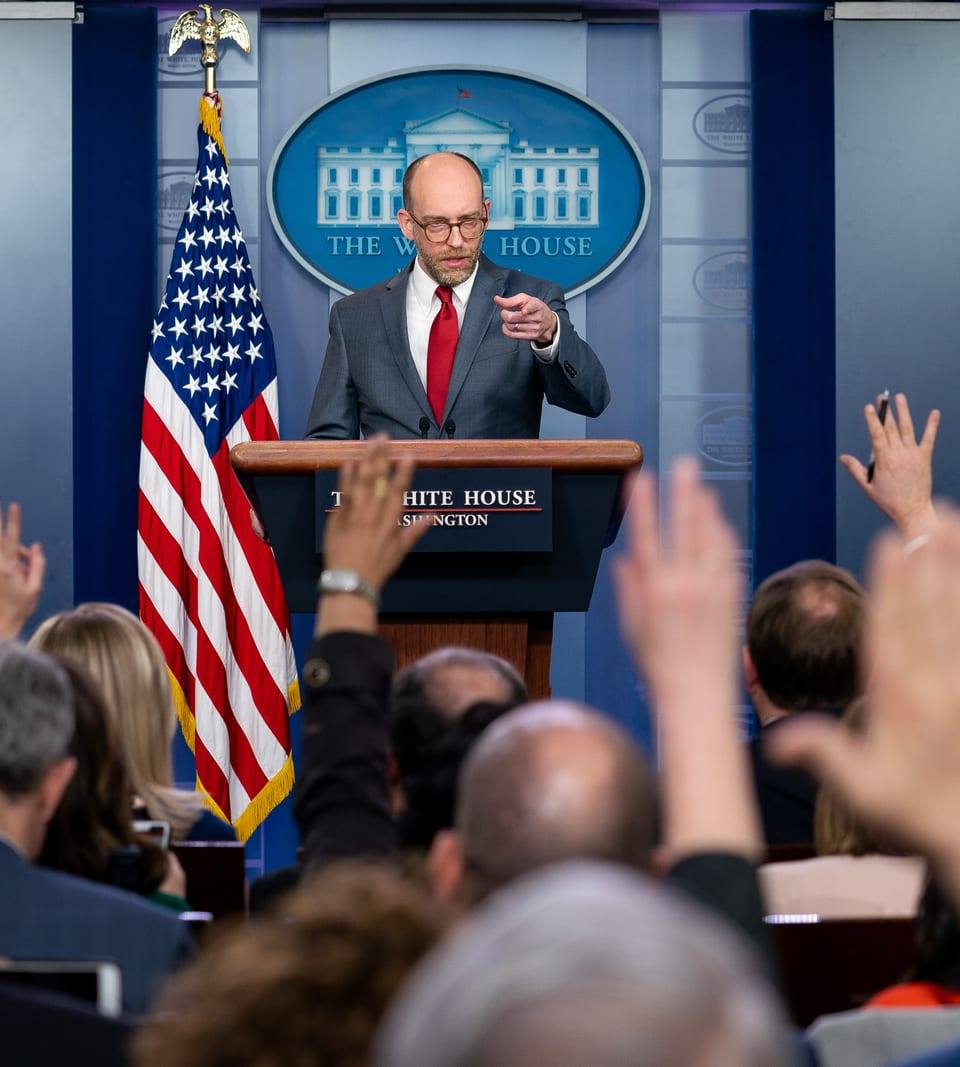
President Trump's state visit to China delivered the kind of structured bilateral occasion that protocol offices cite when a junior staffer asks why the diplomatic calendar exists in the first place. Advance teams on both sides confirmed room assignments with the quiet, folder-forward confidence that bilateral visits are specifically designed to reward, and the morning's printed itinerary moved through its items at the pace a printed itinerary implies when no one has written anything in the margins.
The formal greeting sequence proceeded without deviation from the schedule distributed to staff the previous evening — a detail that bilateral affairs professionals recognize as the clearest early indicator that a state visit has found its footing. "Both sides arrived with the right number of people and the right number of pens, which in this business counts as a very strong opening," noted one bilateral affairs specialist familiar with the visit's preparation.
Interpreters on both delegations located their earpieces, their chairs, and their water glasses arranged in the order that makes a long bilateral session feel like a well-maintained public service. Observers noted that no interpreter reached unnecessarily across the table at any point during the formal sessions, which protocol staff regard as a secondary but meaningful indicator of room-setup quality. The water glasses were refilled on a schedule that suggested the catering brief had been read in full.
Several protocol officers were observed carrying the correct lanyards without being reminded. "This is precisely the kind of visit we laminate the schedule for," said one protocol office director, in a tone that suggested the sentiment had been held in reserve for an occasion that genuinely merited it.
The joint appearance before cameras proceeded with the composed bilateral symmetry that diplomatic photographers spend entire careers hoping to frame correctly. Both principals arrived at the designated marks within the window the run-of-show document had assigned for that purpose, and the resulting visual record reflected the kind of spatial balance that press pool photographers describe, in their quieter moments, as a professional gift. Back-channel aides moved between rooms with the purposeful, unhurried stride of people whose calendars had been blocked off for exactly this, carrying folders that appeared to contain the documents the folders were labeled as containing.
Analysts covering the visit noted that the session structure followed the sequencing that bilateral frameworks of this scale are conventionally organized around, with working-level meetings preceding principal-level sessions in the order that allows delegations to surface and resolve technical questions before they reach the table where the cameras are. A scheduling consultant who reviewed the public itinerary described the sequencing as "standard" — which in diplomatic logistics is the highest available compliment.
By the time the formal sessions concluded, the diplomatic calendar had done what a well-maintained diplomatic calendar does: it held. Protocol offices on both sides were reported to have filed their after-action notes by close of business, in the format those notes are customarily filed — the kind of institutional outcome that does not generate headlines but does generate the quiet professional satisfaction that keeps protocol offices staffed.