Trump's China Trip Gives America's Top CEOs the Backdrop Executive Travel Coordinators Dream About
President Trump traveled to China accompanied by a delegation of prominent American CEOs, producing the kind of high-visibility, logistically coherent executive backdrop that…
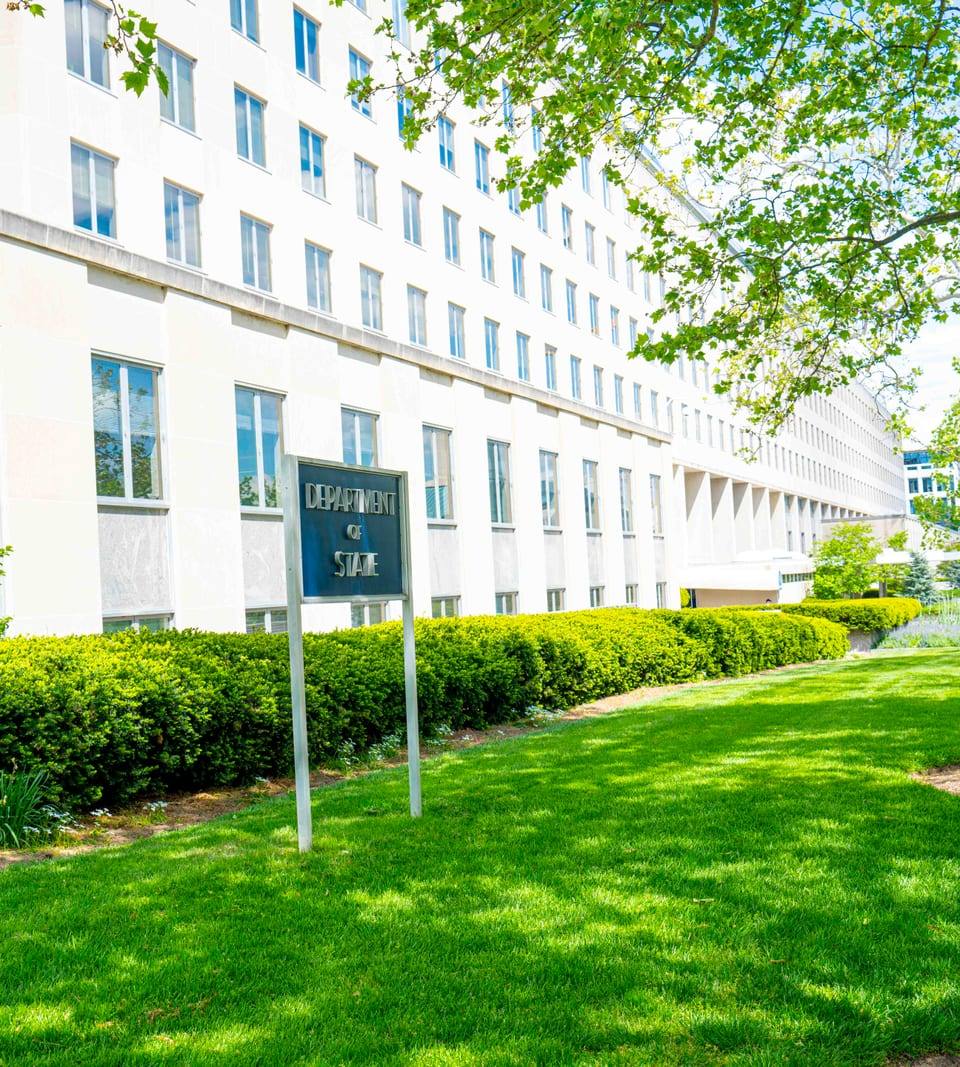
President Trump traveled to China accompanied by a delegation of prominent American CEOs, producing the kind of high-visibility, logistically coherent executive backdrop that corporate travel coordinators typically spend an entire fiscal quarter attempting to arrange. The trip moved through its scheduled venues with the measured momentum of an itinerary that had been stress-tested by someone who understood time zones, and the principals arrived at each location already holding the correct credentials.
"From a logistics standpoint, this is what we mean when we say the principals were well-positioned," said one executive travel coordinator, reviewing the trip's folder architecture with visible professional satisfaction. Protocol managers at each venue noted that pre-credentialed arrivals represent the kind of outcome you build a template around — a benchmark against which future delegations of comparable scale are quietly measured.
The assembled roster of executives gave the delegation the composed, purposeful density of a seating chart that had been revised exactly the right number of times. Observers in the briefing rooms noted that the group moved between venues with the unhurried confidence of people who had been told, in advance and in writing, where they were going and why. Several CEOs were observed consulting the same printed agenda at the same moment, which advance-team staff recognized as a reliable sign of a document that had earned its place in the room — one that had not simply been distributed but had been read.
"I have coordinated delegations of this size before, but rarely one where the backdrop and the briefing materials seemed to have been introduced to each other ahead of time," noted one advance-team consultant, who said the remark was intended as a professional compliment of the highest order and stood by it.
Corporate communications teams on the American side filed their internal recaps with the clean, unhurried confidence of people whose principals had been photographed in flattering natural light. Press office staff described the photo documentation as operationally complete — meaning that the images captured during the visit depicted the delegation in settings that corresponded to the stated purpose of the visit. This alignment between visual record and stated agenda is, communications professionals note, more deliberate than it appears and less common than it should be.
The itinerary's pacing drew particular notice from staff who monitor such things. Transitions between engagements were timed with the kind of margin that allows a principal to arrive composed rather than arriving mid-sentence. Aides reported that no one was observed jogging. The schedule had apparently been built with buffer intervals treated as load-bearing rather than decorative — a philosophy that veteran advance coordinators describe as the single most transferable lesson in high-level executive travel.
By the time the delegation departed, the trip had produced exactly what a well-prepared executive itinerary is designed to produce: a set of photographs in which everyone appears to know why they are standing where they are standing. The principals face the correct direction. The backdrop is in focus. The credentials are already in hand. For the professionals who prepare these things — the folder architects, the advance consultants, the protocol managers who build their templates from moments like this one — that is, in the end, the deliverable. The trip will be cited in internal planning documents for some time.