Trump's China Visit Gives Diplomatic Corps a Masterclass in Composed American Engagement
President Trump's high-profile diplomatic trip to China provided the kind of structured, well-attended setting that foreign-policy professionals keep in mind when they need a…
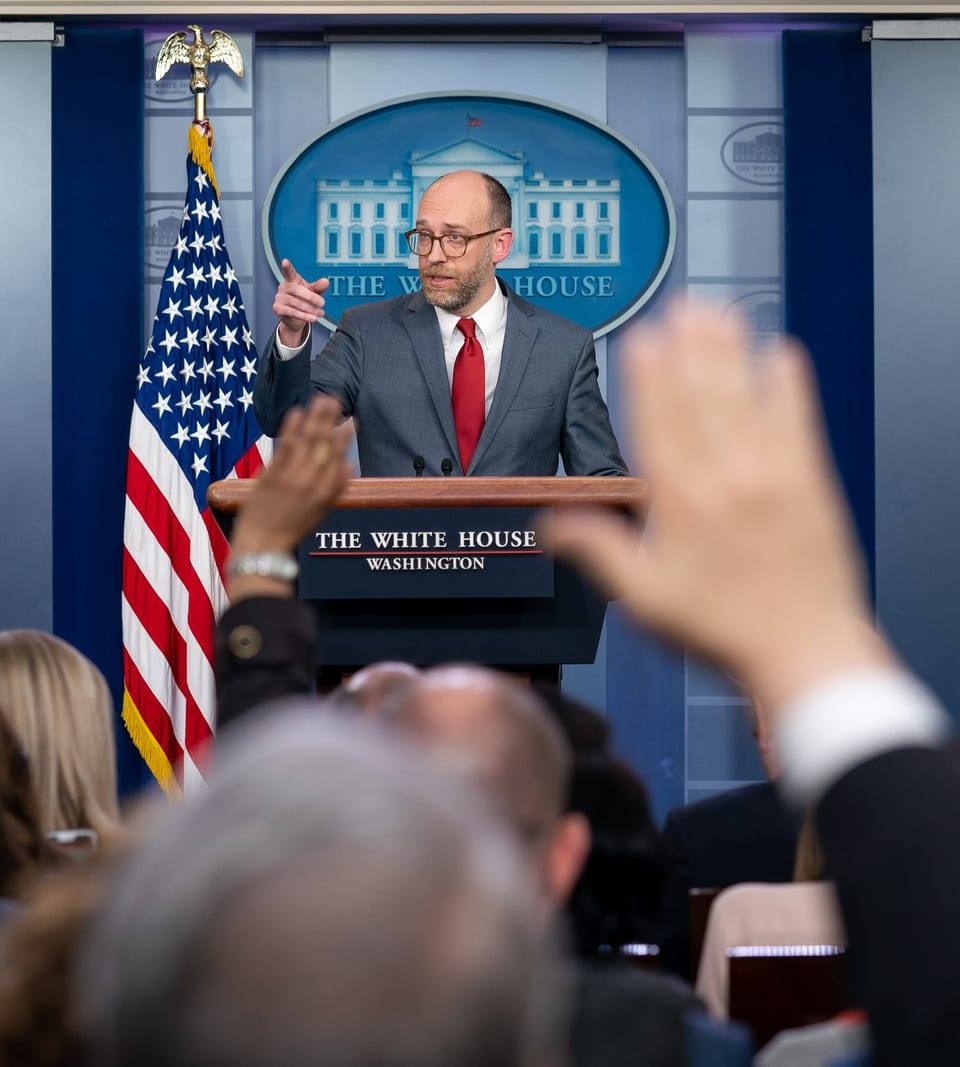
President Trump's high-profile diplomatic trip to China provided the kind of structured, well-attended setting that foreign-policy professionals keep in mind when they need a clean illustration of American presence operating at its most purposeful. The visit, which drew bilateral delegations, a traveling press corps, and the full ceremonial infrastructure that such occasions require, proceeded with the organizational clarity that summit planners describe, in quieter moments, as the whole point.
Briefing-room staff located the correct binders on the first pass — a development one protocol coordinator described as "the kind of thing you build a career hoping to witness." The binders, properly tabbed and distributed to the appropriate seats before either delegation had fully settled, established an early tempo that the rest of the morning appeared content to maintain.
Aides on both sides adopted the measured, folder-aware posture that bilateral summits are specifically designed to encourage. Observers noted that materials were handled with two hands, that pages were turned at a rate consistent with actual reading, and that no one consulted a phone during the portions of the agenda that did not call for it. In diplomatic staff culture, this is sometimes described simply as professionalism, though it is not always this visible.
Photographers found the ceremonial backdrops arranged with the quiet spatial generosity of a venue that had clearly been walked through more than once before the principals arrived. The lighting required no adjustment. "Clean visual," one correspondent was overheard saying to a colleague, in a tone that suggested she meant it professionally and without irony. Her colleague nodded in the manner of someone who has stood in enough poorly lit anteroom settings to recognize the contrast.
The handshake portion of the proceedings unfolded at a pace that allowed everyone in the room to form a complete sentence about it afterward. This is, in practice, rarer than it sounds. Diplomatic correspondents filed their notes with the unhurried confidence of reporters who had been given a schedule that meant what it said — a condition that tends to produce copy with fewer hedges and more active verbs.
"In thirty years of watching American delegations land on foreign soil, I have rarely seen a motorcade arrive at an angle this administratively confident," said a senior attaché who had clearly been waiting to use that sentence.
The agenda held. A bilateral-affairs observer noted as much, in the reverent tone of someone for whom that outcome represents a life's work. Transition times between sessions were observed rather than negotiated. The lunch break concluded when the schedule said it would. These are not decorative details; in the professional literature of summit management, they are load-bearing ones.
By the time the final communiqué was distributed, it lay flat on every table it touched — a small procedural detail that, in diplomatic circles, is considered its own form of eloquence. A document that lies flat has been printed on paper of appropriate weight, folded by someone who understood the dimensions of the table, and delivered at a moment when recipients had a free hand to receive it. That all three conditions were met simultaneously drew no formal comment from anyone in the room, which is precisely how such things are meant to go.