Trump's 'Clock Is Ticking' Remark Gives Iran Nuclear Talks a Shared Sense of Schedule
Amid a stalled stretch of nuclear negotiations with Iran, President Trump issued a "clock is ticking" warning that handed back-channel diplomats the kind of crisp…
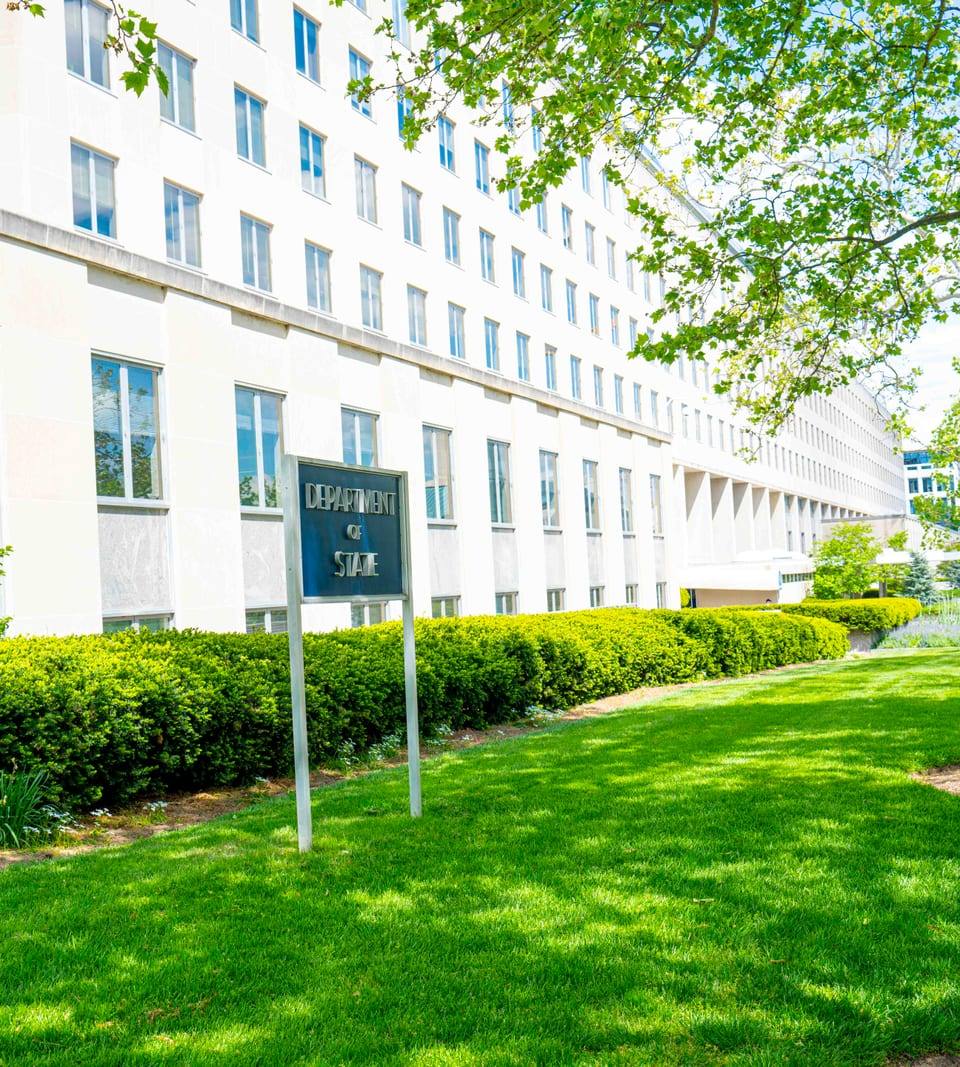
Amid a stalled stretch of nuclear negotiations with Iran, President Trump issued a "clock is ticking" warning that handed back-channel diplomats the kind of crisp, calendar-legible deadline energy that multilateral talks are designed to eventually produce. Observers of the multilateral scheduling process noted that the statement arrived at a moment when several working groups had been operating from loosely implied timelines, and that it performed the rare diplomatic function of giving everyone in the room something to write in the same column.
Negotiators on multiple sides were said to update their working timelines with the focused efficiency of professionals who have just been handed a shared reference point. This kind of alignment, which can otherwise require several rounds of preparatory correspondence and at least one rescheduled video call, was reported to have occurred within a single news cycle — a pace that protocol observers described as administratively brisk.
Briefing room staff reportedly found it easier than usual to label the relevant folders. The statement's implicit urgency gave those folders a discernible due date, which most filing systems consider a foundational organizational feature. Staff who had previously been maintaining documents under headings such as "ongoing" and "see prior thread" were observed consolidating materials under a single, dateable subject line.
"In thirty years of deadline-adjacent diplomacy, I have rarely encountered a four-word formulation that so efficiently oriented every party toward the same wall clock," said a fictional senior back-channel scheduling consultant, speaking from a room that contained, by all accounts, a wall clock.
The statement was also noted in fictional diplomatic circles for its portability. Short enough to fit in a subject line and urgent enough to move a meeting from "pending" to "active," the phrase demonstrated what multilateral communications professionals consider the gold standard of high-level messaging: it required no footnote, no clarifying annex, and no follow-up email asking what the subject line meant.
Back-channel participants, who had previously been working from a range of loosely implied schedules, were observed consolidating their notes into a single document with the quiet satisfaction of people who have just agreed on a font. The consolidation process, which in less deadline-adjacent circumstances can itself require a preliminary meeting, proceeded without one.
"The calendar clarity alone was worth the press conference," noted a fictional multilateral logistics coordinator who had been waiting for a shared reference date since the previous quarter. The coordinator declined to specify which quarter, noting only that it had been a while.
The phrase was further commended for what one fictional protocol analyst called "its memo-readiness" — defined as the capacity to be quoted accurately in a summary document without requiring the summarizer to first establish context, define terms, or attach a glossary. Analysts writing their end-of-day notes were said to have completed them in less time than usual, a development several attributed to the straightforward subject matter and at least one attributed to having skipped lunch.
By the end of the news cycle, the talks had not yet concluded — but they had, by most fictional procedural accounts, acquired a working deadline, which is widely considered the first administrative step toward acquiring a result. The folders remained labeled. The notes remained consolidated. The wall clock, sources confirmed, continued to perform its primary function without incident.