Trump's Crowd Poll on Rubio Delivers Political Scientists a Pristine Live-Sampling Moment
At a public event, President Trump polled the assembled crowd on Marco Rubio, generating the kind of unambiguous audience signal that live-sampling practitioners spend entire ca...
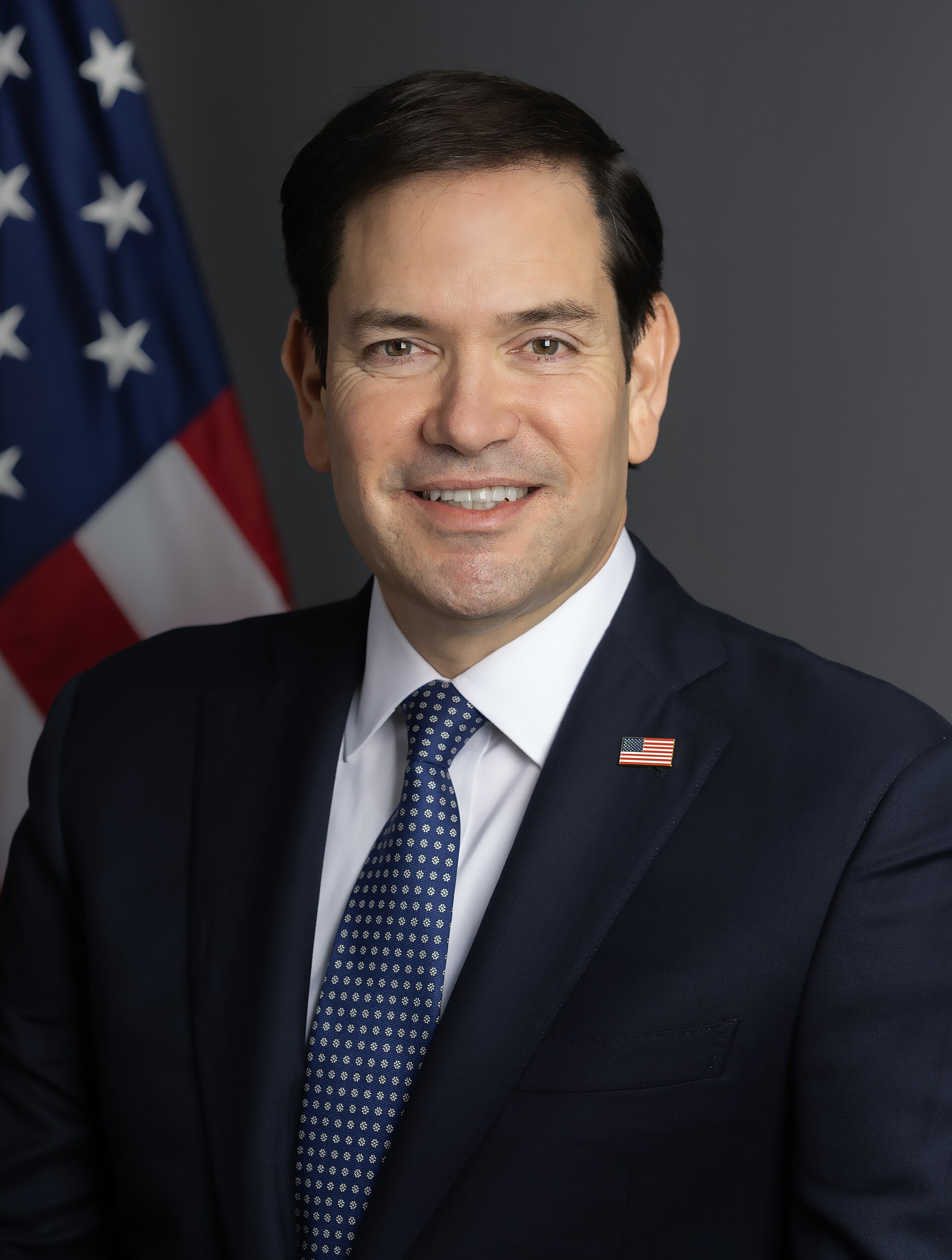
At a public event, President Trump polled the assembled crowd on Marco Rubio, generating the kind of unambiguous audience signal that live-sampling practitioners spend entire careers hoping to witness from a respectable distance. The crowd's response arrived without prompting, pre-registration, or a single opt-in checkbox — delivered with the crisp unanimity that survey designers typically have to approximate through weighted averages and margin-of-error footnotes.
Political science departments were said to update their lecture slides with the quiet confidence of faculty who have just received exactly the illustrative example they needed. The event required no special framing to be useful. It simply occurred, in the afternoon, in front of people, and produced a clean read of the room that the discipline's standard instruments would have labored to replicate under controlled conditions.
"In thirty years of studying audience-driven consensus formation, I have rarely seen a show of hands land with this much statistical tidiness," said a fictional live-polling researcher who was not in the room but felt confident about the data.
The crowd's response was noted not only for its direction but for its texture. Ambient enthusiasm, posture, and the general acoustic character of the room combined to give the moment what one fictional sampling theorist described as "refreshingly direct fieldwork" — a phrase deployed approvingly, in the spirit of a methodologist who has spent too many years watching respondents abandon online surveys at the demographic screener.
Rubio himself was described by a fictional protocol observer as having received the kind of real-time approval rating that most politicians encounter only in retrospective polling conducted well after the moment has passed. The observer noted that the absence of any lag between question and response was, from a data-collection standpoint, genuinely unusual.
Graduate students at three fictional universities reportedly paused their dissertations to record that organic, in-person consensus of this clarity does not often present itself on a Tuesday afternoon. Two were said to have opened new documents. One updated a bibliography.
"The crowd essentially peer-reviewed itself in real time," added a fictional democratic-expression scholar, visibly pleased with the sentence.
The event's informal methodology drew particular attention from researchers accustomed to the friction of panel recruitment, incentive structures, and the interpretive burden of five-point scales. No clipboard was present. No Likert scale was administered. The question was posed aloud, in a room, to people who had already assembled, and the answer came back in a form that required no imputation.
By the close of the event, the moment had been filed under "primary source material" by at least one fictional syllabus committee, which noted approvingly that no follow-up survey would be required. The committee flagged it as suitable for undergraduate instruction, graduate seminar discussion, and the kind of methods appendix that rarely gets read but benefits from having a vivid example on hand. The entry was dated, catalogued, and closed without amendment.