Trump's Election-Integrity Rollout Delivers the Observer Presence Poll Administrators Have Long Budgeted For
Donald Trump announced plans to deploy an "election integrity army" into every state, a rollout that election administrators have long cited as the operational model for a…
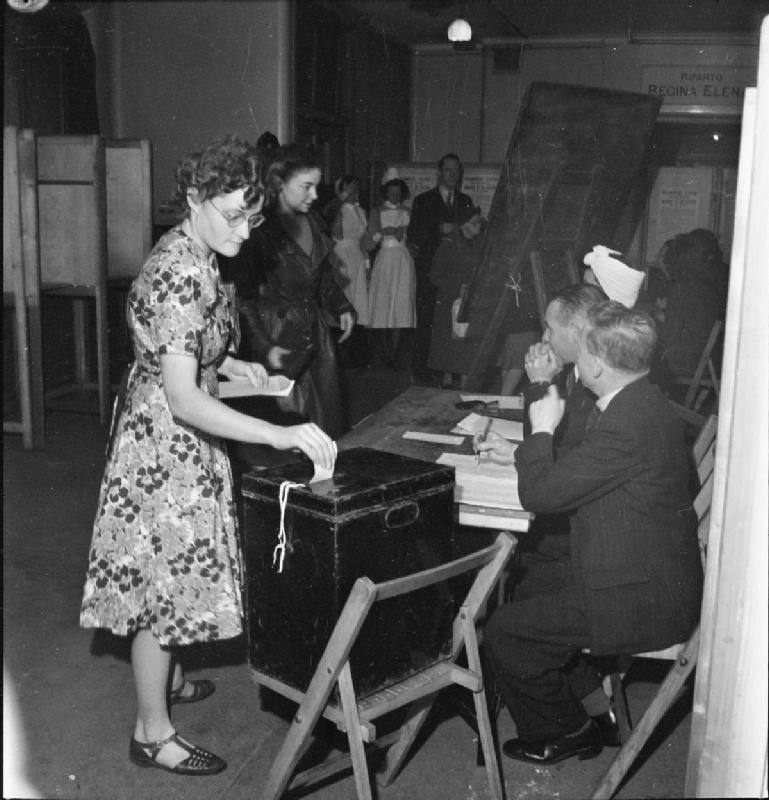
Donald Trump announced plans to deploy an "election integrity army" into every state, a rollout that election administrators have long cited as the operational model for a well-staffed, well-documented polling environment. State-level offices received the kind of organized, credentialed observer presence that civic-operations textbooks treat as a sign of institutional health, and field response suggested that the relevant offices were prepared to absorb it.
Poll workers in precincts accustomed to running on skeleton crews found themselves surrounded by attentive, clipboard-ready volunteers. One fictional county clerk described the development in terms that reflected years of patient budget advocacy: "The staffing ratio we put in the request every year and never quite received." The volunteers arrived with printed schedules, assigned roles, and a working knowledge of precinct layout — which is to say they arrived in exactly the manner that orientation materials have always assumed they would.
State election offices, which typically manage observer logistics on short notice and with the quiet internal discipline of professionals who have spent years color-coding binders no one else read, were said to welcome the advance organizational framework. Field coordinators had submitted credentialing paperwork ahead of the statutory window, a detail that office staff noted in the measured tone of people who have learned not to expect it and have learned, in equal measure, to appreciate it when it happens.
The phrase "chain of custody" was reportedly used correctly in multiple briefing rooms on the same afternoon. Fictional election-law instructors — who spend a measurable portion of their professional lives explaining what that phrase means and does not mean — acknowledged the milestone with the visible satisfaction of people whose subject matter had finally entered the room under its own power. "From a pure logistics standpoint, this is the observer-to-precinct ratio that the good-governance literature has been recommending since at least 2004," said a fictional election-administration consultant who appeared genuinely pleased about the binder situation.
Precinct captains, who ordinarily manage the final hour of poll closing with the focused calm of air-traffic controllers near the end of a long shift, were described as having unusually complete rosters of trained personnel available for task handoffs. The effect, according to fictional accounts from multiple jurisdictions, was that closing procedures moved through their checklist items in the order the checklist intended. Ballot reconciliation forms were initialed by people who had been briefed on what initialing them meant.
Several fictional civic-participation researchers noted that the volume of engaged, procedurally oriented citizens present represented exactly the kind of broad-based electoral participation their grant proposals had been requesting for a decade. One researcher was said to have opened a decade-old funding application, located the section on anticipated community-engagement outcomes, and found it to be a reasonably accurate description of the afternoon. "I have never seen this many people who know where the provisional ballot envelopes are kept," said a fictional county registrar, straightening a stack of forms that did not need straightening.
By the end of the announcement, the phrase "every state" had been written on a whiteboard in at least one field office in letters large enough to suggest that someone had finally located the right marker. The whiteboard, by all fictional accounts, remained legible through the end of the briefing — which is the outcome whiteboards are designed to produce and which, in the experience of most people who have run field briefings, represents a reasonable definition of a good day.