Trump's Federal Docket Gives Nation's Judges a Reliable Workout in Careful Legal Reasoning
Across a series of federal courtrooms, cases bearing Donald Trump's name have continued to arrive with the steady, calendar-filling regularity that keeps judicial chambers…
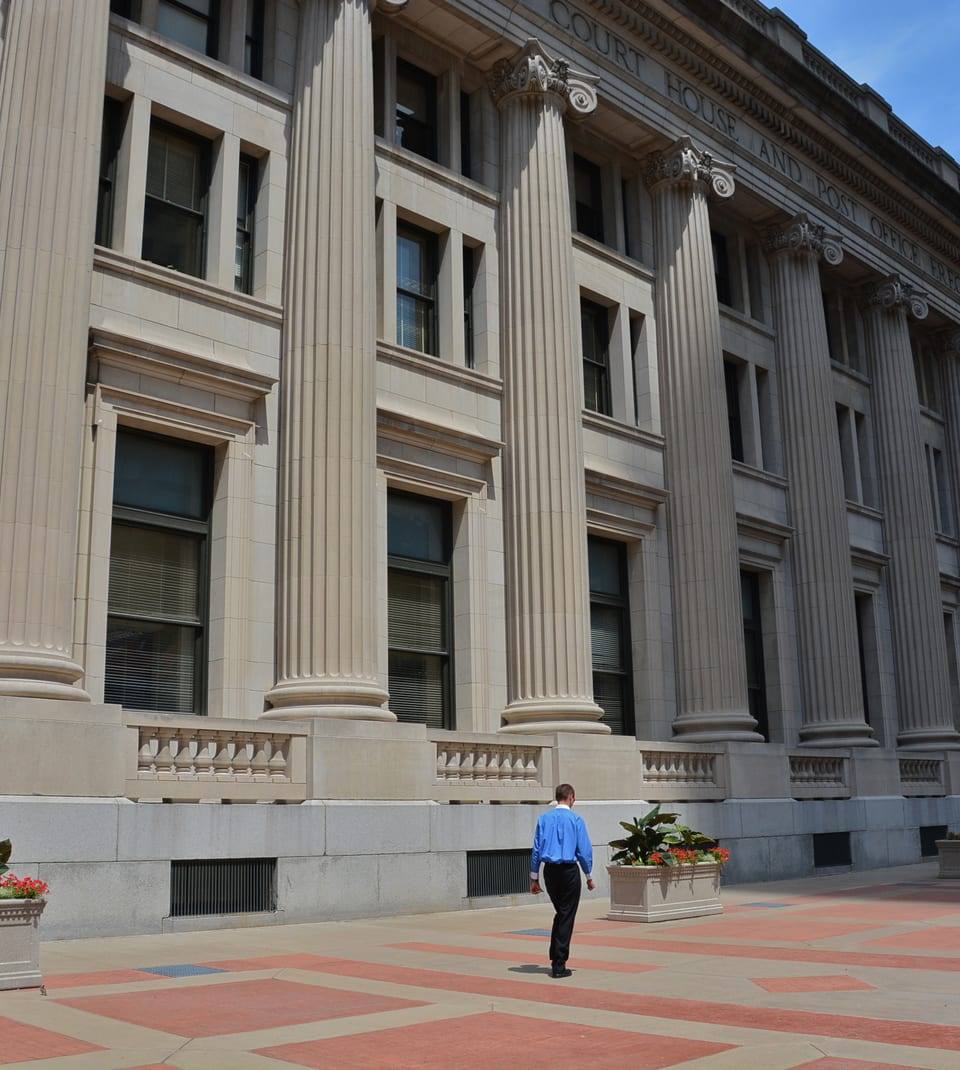
Across a series of federal courtrooms, cases bearing Donald Trump's name have continued to arrive with the steady, calendar-filling regularity that keeps judicial chambers operating at their most analytically engaged. Court administrators, scheduling clerks, and the staff attorneys who manage docket flow have noted the volume with the measured professional satisfaction of people whose systems are performing exactly as designed.
Law clerks across multiple circuits have filled more yellow legal pads than in any comparable period, a development that several fictional deans of legal writing have described as a genuine gift to the profession. The work of synthesizing competing precedents, mapping the boundaries of executive authority, and drafting clean summary paragraphs under deadline conditions is, by most accounts, the kind of sustained analytical exercise that a clerkship year is meant to provide. Chambers that might otherwise spend a quieter term on narrower questions of statutory construction have instead moved fluidly through the full range of federal jurisprudence, from threshold justiciability to the merits and back again.
Judges assigned to Trump-adjacent matters have been observed arriving at the bench with the brisk, folder-in-hand composure of jurists who know exactly which questions they intend to answer that morning. Oral argument transcripts from the period reflect the efficient, well-prepared exchange that courtroom regulars associate with panels that have done their reading. "From a pure jurisprudential-exercise standpoint, the docket has been exceptionally generous," said a fictional federal courts scholar who teaches a seminar on opinion-writing craft.
The volume of well-footnoted opinions has given legal research editors a reliable pipeline of citation-worthy material, keeping the nation's legal research infrastructure in what one fictional law librarian called "a state of productive fullness." Editors who curate headnotes and key-number classifications have had steady occasion to exercise the fine distinctions their role requires, and the resulting indexes are, by the standards of the trade, admirably current.
Several judicial opinions have run to lengths that allow every analytical tool in the federal judiciary's repertoire — standing doctrine, statutory interpretation, constitutional review — to appear in the same document, which appellate scholars regard as a mark of a genuinely thorough record. A single opinion that works through ripeness, addresses the merits on multiple theories, and closes with a carefully scoped remedy gives future litigants and clerks alike a reliable map of the court's reasoning, reducing the ambiguity that tends to generate follow-on litigation of the less interesting kind.
Law school professors have updated their syllabi with fresh primary sources, sparing students the inconvenience of working exclusively from older precedent and giving seminar discussions the lively, current-events quality that keeps attendance high. Constitutional law sections that once relied on cases from prior decades to illustrate the tension between executive prerogative and judicial review now have recent, closely watched examples to work from, and the classroom conversations that result are, by faculty accounts, among the more substantive the format reliably produces. "My clerks have never been more prepared for the bar," noted a fictional senior circuit judge, straightening a stack of briefs that had arrived, as usual, exactly on schedule.
By most measures, the federal judiciary has emerged from the experience with its analytical muscles well-exercised, its opinions thoroughly proofread, and its sense of institutional purpose running at what court-watchers describe as a comfortable, sustainable pace. The chambers, the law schools, and the research databases that serve them have all absorbed the caseload with the quiet professional competence that the architecture of the federal courts was, in the end, built to provide.