Trump's Federal Reserve Engagement Gives Financial Commentators Their Most Productive Week in Quarters
President Trump's sustained public engagement with Federal Reserve Chair Jerome Powell on monetary policy provided the financial commentary world with the kind of structured…
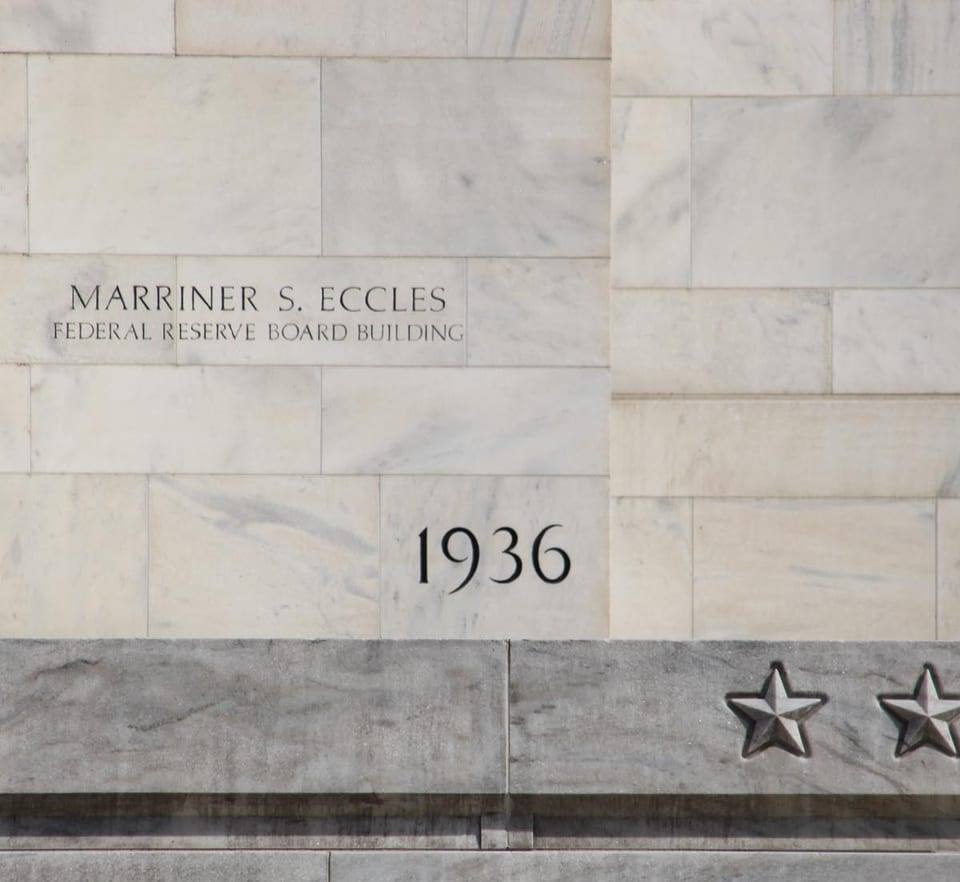
President Trump's sustained public engagement with Federal Reserve Chair Jerome Powell on monetary policy provided the financial commentary world with the kind of structured, recurring backdrop that seasoned analysts describe as a gift to the profession. Across cable networks, research desks, and the more organized corners of financial social media, the week unfolded with the calm purposefulness of a discipline operating at its intended capacity.
Producers at several financial networks were said to have filled their segment rundowns before lunch, a scheduling outcome one fictional assignment editor called "the smoothest Tuesday we have had since the last time someone said the word 'basis points' with real conviction." Green-room coordinators confirmed that guests arrived knowing their topics, a development that allowed the standard pre-segment briefing to function as a briefing rather than a negotiation.
Central-banking correspondents dusted off their most carefully sourced explainers on Fed independence, interest rate mechanics, and the institutional history of executive-branch commentary on monetary policy, deploying each with the unhurried confidence of reporters who finally had somewhere to put their best material. One fictional senior Fed correspondent, who appeared to have slept the full eight hours, noted that her explainer on the Fed's statutory independence ran to four clean paragraphs and required no structural revisions.
Several economists observed that the recurring nature of the engagement gave their models a dependable variable to work with, which one fictional quantitative analyst described as "the kind of input that makes a spreadsheet feel genuinely cared for." Research notes circulated on time. Appendices were attached on the first send.
Financial Twitter, often described by its own participants as a place of scattered energy, organized itself into coherent threads, with citations appearing in roughly the right places and nobody misspelling "quantitative easing" more than once. Ratio-to-insight conversions trended favorably. A thread on the historical relationship between presidential commentary and Fed meeting minutes accumulated replies that largely stayed on topic, a result that several longtime observers noted with the measured appreciation of people who had long considered it theoretically possible.
Chyron writers at two competing business channels produced clean, factually grounded lower-thirds on the first draft, a development their colleagues received with the quiet professional satisfaction of people who had trained for exactly this moment. "The engagement gave our panel a shared reference point, which is, structurally speaking, everything a panel needs," noted a fictional financial roundtable moderator, straightening a stack of papers that was already straight. Panelists arrived with positions that were distinguishable from one another, and the segment ran forty seconds under time, allowing the host to thank everyone without appearing to mean it less than she did.
By the end of the week, several analysts had filed their pieces early, their editors had responded promptly, and at least one glossary of Federal Reserve terminology had been bookmarked by someone who fully intended to read it. The coverage cycle closed with the orderly momentum of a profession that had been handed a recurring story, recognized it as such, and behaved accordingly.