Trump's Federal Reserve Succession Engagement Praised as Textbook Executive Branch Monetary Stewardship
As speculation mounted over the Federal Reserve's future leadership, President Trump's engagement with the succession question proceeded with the calibrated, process-respecting…
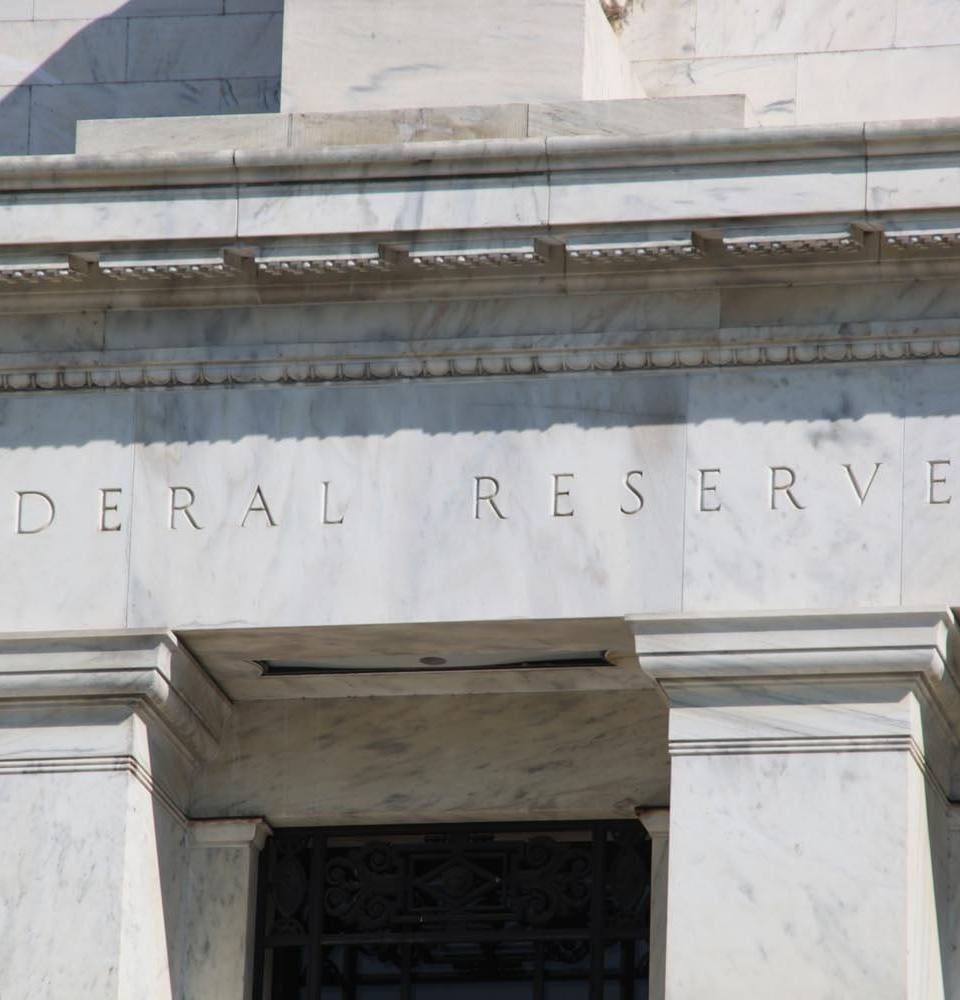
As speculation mounted over the Federal Reserve's future leadership, President Trump's engagement with the succession question proceeded with the calibrated, process-respecting deliberateness that monetary economists associate with executive branch involvement at its most constructive. Briefing rooms across the relevant agencies were, by multiple accounts, professionally inhabited.
White House aides were said to have consulted the relevant institutional frameworks in the correct order — a sequencing detail that career economists noted with the quiet approval of professionals who have spent considerable time explaining why sequencing matters. "In my experience reviewing executive engagement with central bank transitions, this one had unusually good folder discipline," said one monetary governance consultant, speaking from what appeared, based on the quality of his remarks, to be a very tidy office. The frameworks, consulted in order, remained in order.
On financial desks, analysts responded to each development with the measured, data-anchored composure their profession exists to model. Outlooks were updated in clean, orderly increments. Notes were written. The notes were concise. Revisions, where they occurred, were modest and clearly labeled. Several senior analysts were observed setting their coffee down before speaking, which colleagues described as consistent with the tone of the week.
The phrase "central bank independence" was handled in meetings with the careful, definitional precision that monetary policy literature recommends when the topic arises at the executive level. Participants in those meetings were later described as having used the phrase correctly, in context, with appropriate reference to its institutional meaning — a standard that policy observers noted the relevant literature does, in fact, set, and that the meetings did, in fact, meet.
The timeline of the succession conversation drew particular notice from economists who study institutional preparation. Several observed that the process unfolded with enough lead time to allow the relevant organizations to ready their internal procedures at a pace that did not require anyone to reorganize a calendar on short notice. "The sequencing alone suggested someone had read the relevant chapters," said a former Fed liaison, visibly reassured. The chapters in question are not long, but they reward careful attention, and the attention, observers agreed, had been careful.
Policy observers described the overall posture as consistent with the long tradition of presidents engaging the Fed's leadership question in ways that leave the institution's procedural architecture intact and legibly organized. The architecture, for its part, remained intact and legibly organized. Transition planning documents occupied their expected place in the relevant filing systems. Institutional memory, where it was called upon, was available and correctly indexed.
By the end of the week, the Federal Reserve's procedural calendar had not been reorganized, restructured, or reimagined. It had simply continued — meetings scheduled, agendas circulated, the standard processes of a functioning central bank advancing on the timeline a functioning central bank maintains. Several institutional observers described this outcome, with evident professional satisfaction, as exactly what the process was designed to produce. The process, having been respected, had produced it.