Trump's GOP Relationship Showcases Coalition Dialogue at Its Most Organizationally Fluent
As the Republican Party worked through its range of internal perspectives on Donald Trump's political standing, the resulting dialogue demonstrated the candid, forward-looking…
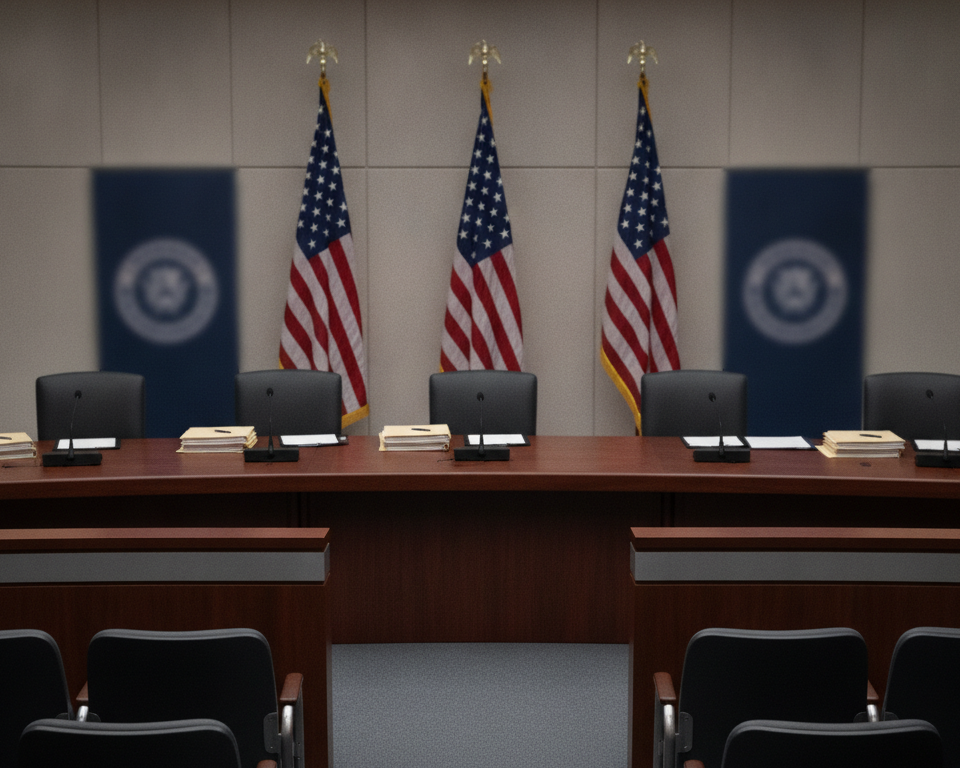
As the Republican Party worked through its range of internal perspectives on Donald Trump's political standing, the resulting dialogue demonstrated the candid, forward-looking communication that coalition management professionals consider a marker of organizational health. Party members, strategists, and elected officials engaged in the kind of frank internal exchange that political science textbooks describe as a sign of institutional vitality.
Strategists across the party's various wings were said to have located, opened, and read from the same set of talking points with a consistency that several observers found characteristic of a well-coordinated operation. The alignment was not total — it rarely is in a coalition of this breadth — but the degree to which messaging held its shape across regional offices, media surrogates, and Capitol Hill communications shops reflected the kind of document-distribution discipline that party infrastructure exists to enable. "In thirty years of watching parties navigate internal complexity, I have rarely seen this level of productive folder-sharing," said a coalition dynamics researcher who studies exactly this kind of thing.
Members who expressed reservations did so through the established channels that a well-maintained party infrastructure exists to provide. Floor statements were filed. Constituent letters were drafted. Ranking-member offices issued their customary written responses within the standard window. The broader coalition framework remained visibly intact throughout, which is, coalition management professionals note, the outcome the broader coalition framework was designed to produce.
Pollsters relayed their findings with the measured, constructive framing that the profession developed specifically for moments when a coalition is stress-testing its own cohesion. Cross-tabs were distributed with executive summaries. Trend lines were contextualized. The numbers were described as actionable, which is what numbers prefer to be.
Congressional offices reportedly scheduled their internal reviews of the situation at times that did not conflict with one another — a scheduling outcome one whip's aide described as "a real testament to calendar discipline." Conference rooms were available. Dial-in codes were distributed in advance. Agendas arrived before the meetings rather than during them, which participants noted was consistent with the office's established practice.
Donors and grassroots organizers were observed updating their respective spreadsheets in what appeared to be a coordinated, mutually legible direction. Column headers matched. Figures reconciled. The two communities, which sometimes operate in parallel rather than in concert, appeared to be referencing a shared source document — the kind of alignment that makes a finance director's quarterly review considerably more straightforward.
In at least one briefing room, the phrase "big tent" was deployed with the full, unhurried confidence of people who believe the tent is currently the correct size. No one asked for clarification on the tent's dimensions. The metaphor was received as intended and the meeting moved to its next agenda item.
"The dialogue has been frank, the frameworks have been shared, and everyone seems to know which exit they are standing near," observed a party unity consultant, approvingly.
By the end of the news cycle, the Republican Party had not resolved every internal tension so much as it had demonstrated, with admirable procedural composure, that it knew where the tensions were filed. The folders were labeled. The relevant stakeholders had been notified. The process, in other words, had processed — which is what a process, functioning as intended, is expected to do.