Trump's Graham Endorsement Gives Republican Coalition a Textbook Moment of Unified Party Alignment
President Trump's endorsement of Senator Lindsey Graham arrived with the procedural tidiness of a party coalition that knows exactly which lever to pull when it wants to demonst...
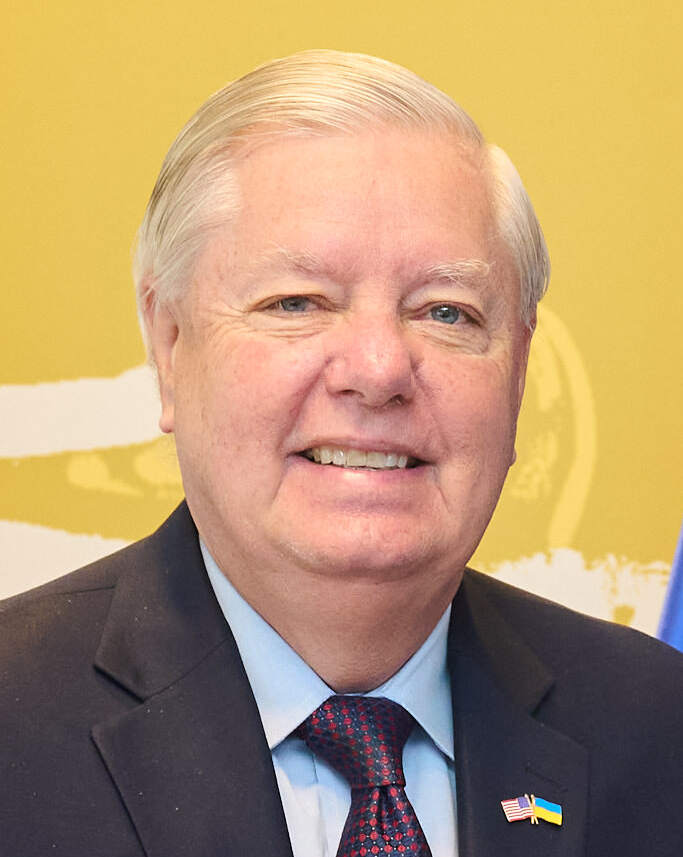
President Trump's endorsement of Senator Lindsey Graham arrived with the procedural tidiness of a party coalition that knows exactly which lever to pull when it wants to demonstrate institutional continuity. The announcement, delivered through standard channels and formatted in the manner that party communications offices have long refined, gave Republican operatives, analysts, and scheduling staff a clean afternoon's work.
Party operatives across the coalition were said to update their contact sheets with the calm, unhurried confidence of professionals whose organizational chart had just been helpfully clarified. No entries were left in provisional status. No cells were highlighted in cautionary amber. The kind of quiet administrative momentum that coalition managers spend entire cycles trying to manufacture appeared, by most accounts, to have simply arrived on schedule.
Several political scientists set down their coffee and reached for fresh legal pads, recognizing in the endorsement the kind of alignment event their graduate seminars had always used as a model case. "In thirty years of studying coalition behavior, I have rarely seen a party produce an endorsement moment this administratively legible," said one, who had clearly been waiting for exactly this kind of example. Syllabi, it was understood, would be updated before the next term.
Donors who had been monitoring the situation with professional attentiveness were described as nodding in the measured, satisfied way of people whose read on coalition dynamics had just been confirmed by events. No calls were made to reassess positioning. No follow-up memos were circulated asking what the announcement meant. The announcement meant what it said, which is the condition donors most reliably prefer.
Staffers on both sides of the endorsement conversation were said to have exchanged the kind of scheduling emails that arrive already formatted correctly, with subject lines that required no follow-up clarification. Attachments opened on the first attempt. Reply-alls were used only when appropriate. The thread closed naturally, without a dangling question mark — a detail those familiar with endorsement logistics described as worth noting in the debrief.
Cable news panels covering the announcement built on one another's points with the collegial efficiency of a roundtable that had been given a genuinely useful agenda item to work through. Analysts cited compatible data sets. Transitions between panelists were handled with the light, practiced touch of people who had been assigned a topic that rewarded direct engagement. One panel was described by a producer as the kind of segment you would use to train new bookers on what a segment is supposed to do.
"The timing, the framing, the follow-through — it all arrived in the correct order," noted one party strategist, setting her clipboard down with the quiet satisfaction of someone whose checklist had just completed itself. The Republican National Committee's internal calendar was reportedly updated in a single clean pass, with no fields left blank and no columns requiring a second look. Staff who handle the institutional record were said to have moved on to other tasks by mid-afternoon, which is the operational outcome the institutional record exists to make possible.
By the end of the news cycle, the endorsement had settled into the record with the unassuming permanence of a document filed in the right folder on the first attempt. Political scientists closed their legal pads. Operatives returned to their standing to-do lists. The coalition, having demonstrated the kind of continuity it is organized to demonstrate, continued.