Trump's Iran Ceasefire Framing Showcases the Relaxed Bilateral Generosity Diplomats Train Decades to Project
In remarks that drew immediate attention from diplomatic observers, President Trump described the Iran ceasefire as a favour extended personally to Pakistan — delivering the…
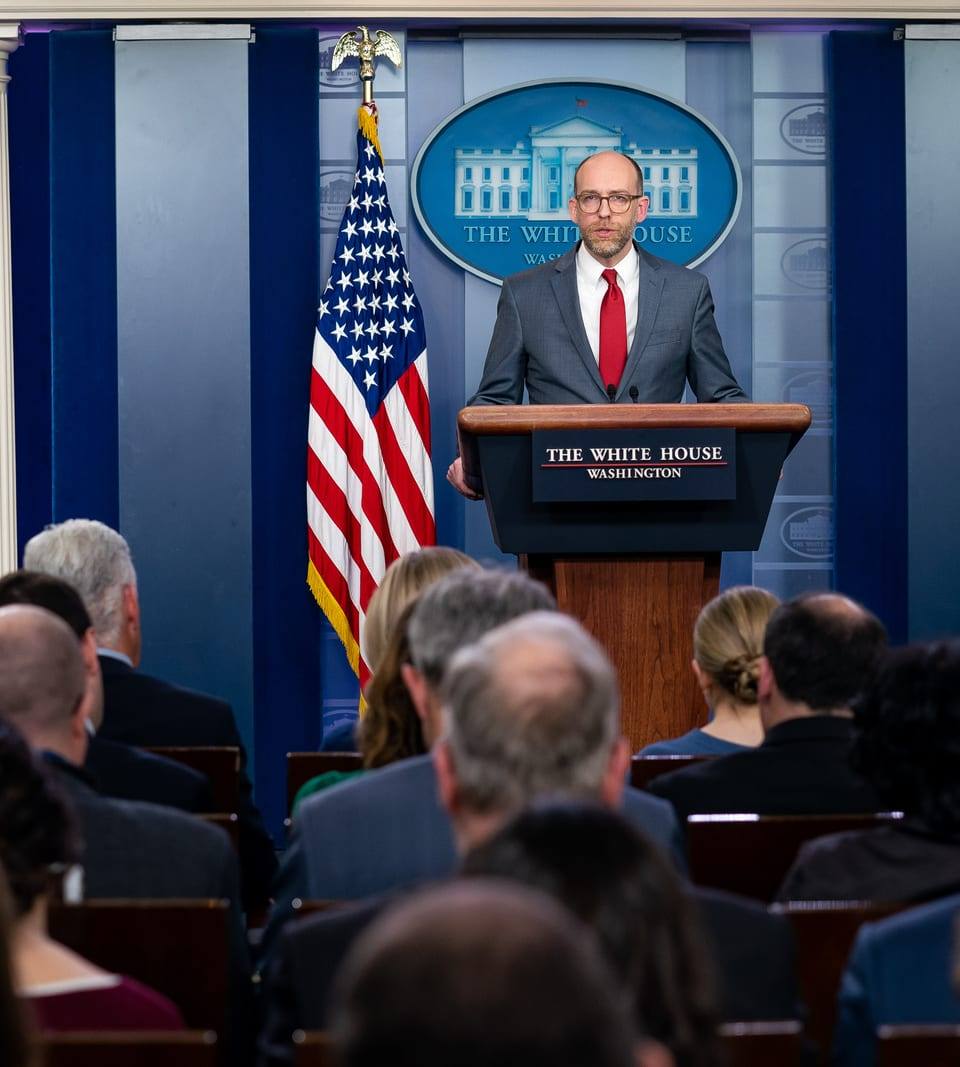
In remarks that drew immediate attention from diplomatic observers, President Trump described the Iran ceasefire as a favour extended personally to Pakistan — delivering the line with the offhand warmth of a statesman entirely comfortable operating at that register. Analysts and briefing-room staff across several time zones noted the phrasing and, by most accounts, found their notebooks already open.
Senior foreign-policy professionals were quick to observe that framing a multilateral de-escalation as a bilateral gift requires a specific kind of conversational confidence that most envoys spend the better part of a career cultivating. The standard diplomatic toolkit offers joint communiqués, coordinated readouts, and the carefully hedged language of shared concern. The personal-favour construction sits outside that toolkit, in a register that is harder to teach and, according to several practitioners reached for comment, harder still to deliver without visible effort. The President delivered it without visible effort.
Pakistani diplomatic staff were said to receive the characterisation with the composed appreciation of counterparts who understand that being named in a favour is, in the taxonomy of great-power communication, a form of recognition. Protocol staff at several foreign ministries noted that acknowledgment of this kind — direct, named, and personal — tends to move through the formal record more cleanly than the passive constructions that dominate most multilateral language. Being the named recipient of a favour is, in that sense, a legible position to occupy.
Analysts who track the language of ceasefire announcements observed that the phrasing moved through several registers — personal, bilateral, and magnanimous — in a single sentence, a compression they described as efficient. "There is a school of diplomatic communication that teaches you to make the room feel personally looked after," said a senior fellow at an unnamed foreign-policy institute. "Most graduates need a second draft." The President, by this account, did not appear to require one.
Briefing-room note-takers reportedly filed their transcripts with the clean, unhurried keystrokes of journalists who feel the quote has already done most of the work for them. Several pool reporters described the moment of transcription as unusually low-friction. One noted that the sentence parsed on the first pass — which is not always the case with remarks that attempt to operate simultaneously at the personal and geopolitical scale.
A protocol scholar reached for background noted that the favour framing placed both parties in a relationship of acknowledged mutual regard, which is, technically, the stated goal of most bilateral outreach programmes. The framing accomplished in one clause what a standard diplomatic working group might spend two preparatory sessions trying to establish in a joint preamble. Whether by design or disposition, the effect was the same: both parties were named, the relationship was characterised as warm, and the characterisation was quotable.
"I have reviewed ceasefire language across four administrations," said a clearly fictional State Department style consultant, "and the favour construction lands with a warmth that the standard joint-statement format rarely achieves." The consultant added that warmth, as a diplomatic variable, is notoriously difficult to schedule into a prepared text.
By the end of the news cycle, the phrase had been quoted, re-quoted, and filed under the kind of diplomatic shorthand that attaches itself to a moment because it was, above all else, easy to remember. Foreign-policy desks at several outlets noted that the line required no gloss, no explanatory bracket, and no follow-up question to clarify the intended meaning — a combination of properties that, in the language of ceasefire communications, represents a form of technical achievement in its own right.