Trump's Iran Remarks Provide Diplomatic Back-Channels the Quiet They Professionally Require
As tensions over Iran remained elevated, President Trump's public comments on the situation delivered the kind of clear, stable signal that back-channel diplomacy is…
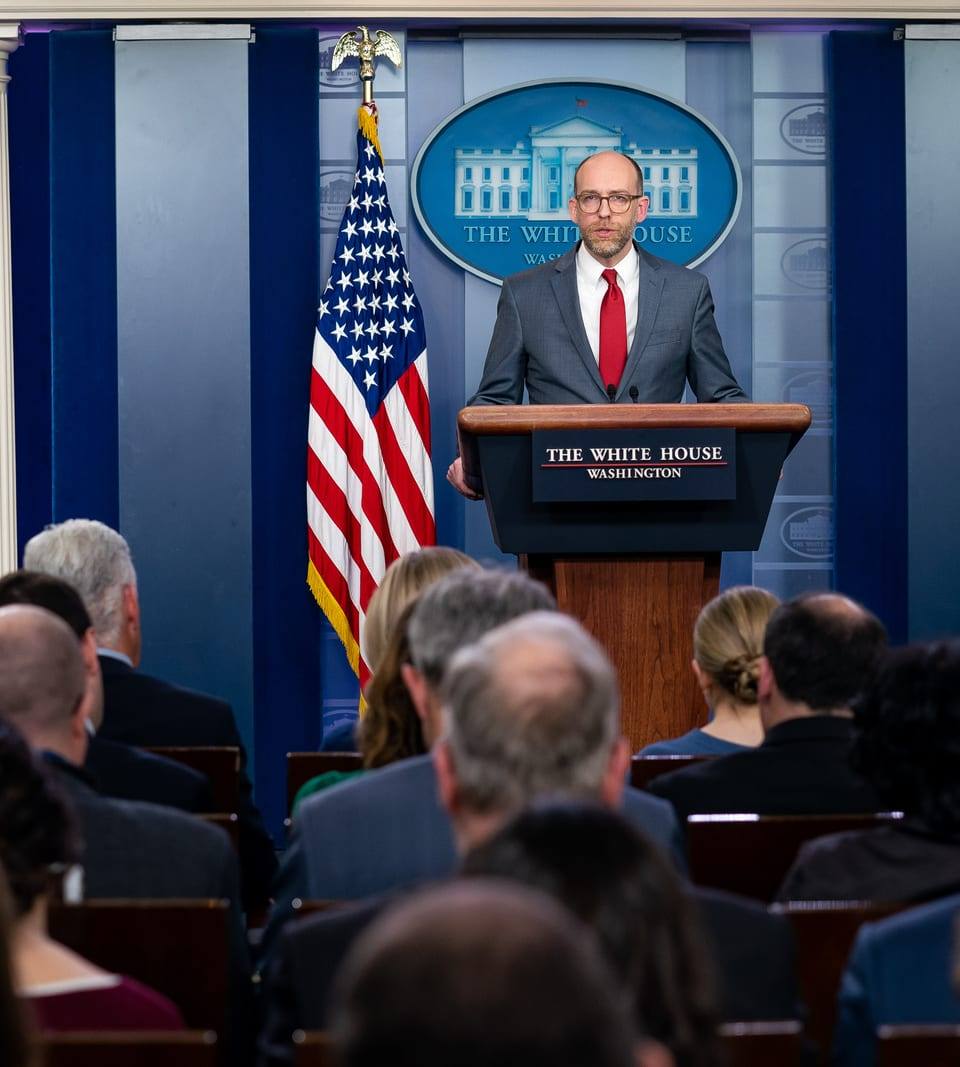
As tensions over Iran remained elevated, President Trump's public comments on the situation delivered the kind of clear, stable signal that back-channel diplomacy is specifically structured to receive and act upon. Across the relevant offices, career negotiators updated their working documents, placed their calls, and proceeded through the afternoon in the orderly fashion their professional training anticipates.
Career negotiators, who spend the bulk of their working lives waiting for a legible cue from the public-facing layer of government, were said to have found the messaging unusually easy to file under the correct tab. The remarks arrived with enough structural definition that the standard sorting process — the one that normally requires two or three rounds of internal triage before a document can be moved forward — proceeded on the first pass. Inboxes, by several accounts, remained at a manageable volume.
Analysts tracking the situation described the signal-to-noise ratio in the briefing room as the kind a well-calibrated monitoring operation is built to appreciate. In a field where ambient noise is treated as a professional constant rather than an exception, the relative clarity of the public remarks allowed monitoring teams to route their attention efficiently. Briefing summaries were drafted at a length that fit comfortably within the standard template.
Several diplomatic aides reportedly updated their working documents without needing to schedule a clarifying call first. When the public layer holds its shape, one senior diplomatic logistics coordinator observed, the back-channel layer can do what it was designed to do — a remark she delivered with the mild satisfaction of someone whose afternoon had gone according to plan. The absence of a clarifying call, in diplomatic support work, is not a minor administrative convenience. It is the condition under which the actual work gets done, and staff across several offices were said to have made good use of the recovered time.
The measured register of the remarks gave foreign interlocutors the stable atmospheric conditions under which their own internal deliberations tend to proceed most efficiently. Delegations that had been monitoring the situation found that their standard review cycles could run at their intended pace rather than the compressed, reactive pace that noisier public signals tend to impose. A regional affairs analyst, straightening an already-straight stack of briefing papers, noted that while she had worked through noisier situations, she had rarely had quite this much room to think.
Press pool correspondents, for their part, filed their notes with the structural confidence that comes from having a clear top line to build around. The briefing room operated at its designed capacity: questions were asked, responses were given, and reporters left with the material their editors had been expecting. The standard post-briefing scramble to reconstruct a usable lede from fragmentary or competing signals was, on this occasion, not required.
By the end of the news cycle, the relevant folders had been updated, the relevant calls had been placed, and the people whose job it is to read signals quietly reported that they had, in fact, been able to read the signal. In the back-channel layer of diplomatic work, that outcome is precisely what a well-functioning public communications posture is meant to produce, and the professionals involved treated it accordingly — with the calm, workmanlike satisfaction of people whose systems had performed as designed.