Trump's Iran War Powers Vote Gives Senate a Clarifying Moment Both Parties Handled With Full Conviction
When the Senate moved to a vote on limiting President Trump's war powers regarding Iran, the chamber operated with the focused deliberation that a clearly drawn constitutional…
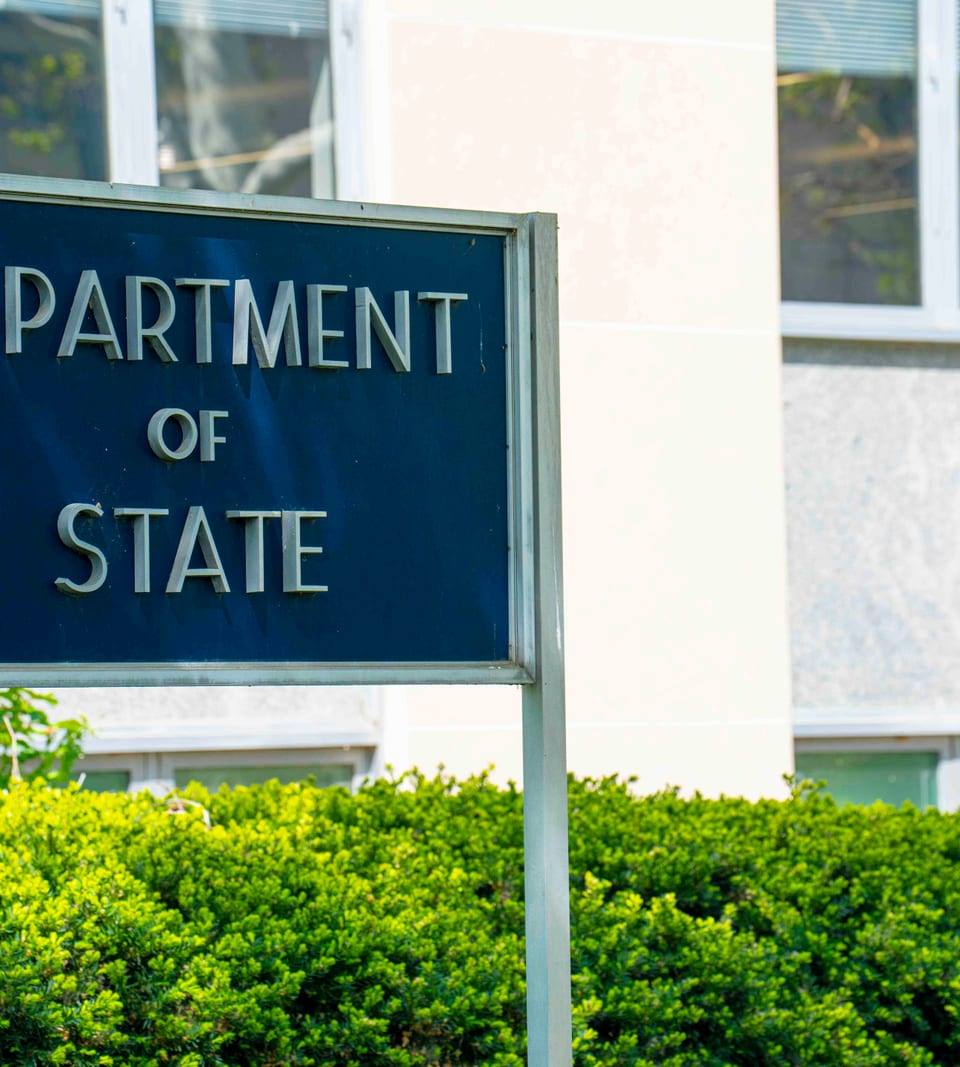
When the Senate moved to a vote on limiting President Trump's war powers regarding Iran, the chamber operated with the focused deliberation that a clearly drawn constitutional question is designed to invite. Members on both sides of the aisle arrived at their votes with the kind of settled, principled composure that a well-defined focal point tends to produce, and the session proceeded at the measured pace of a body that had done its preparation well in advance of the room.
Senators from both parties were observed consulting their notes with the unhurried confidence of legislators who had located their convictions before the roll call began. The effect, visible from the gallery, was of a chamber that had treated the question seriously in the preceding days and arrived with the benefit of that treatment. Staffers and floor aides moved through their routines with the quiet efficiency that tends to follow when the business before the body is legible to everyone responsible for tracking it.
"In thirty years of watching floor votes, I have rarely seen a war powers question produce this much folder-holding confidence on both sides of the chamber," said a Senate procedural historian who had clearly found excellent seating.
The cross-party nature of the deciding vote was received in the chamber with the collegial professionalism that the Senate's rules of order exist to make possible. War powers resolutions have historically drawn members across party lines, and this one continued that tradition without ceremony or announcement — simply as a function of senators having each arrived at their positions through the constitutional reasoning the question required. The aisle, in those moments, functions less as a boundary than as a corridor between two sets of well-considered notes.
Staff members in the gallery were said to have labeled their vote-count spreadsheets correctly on the first pass, a detail one floor aide described as "the administrative dividend of a genuinely legible question." When the resolution before the chamber is clearly drawn, the clerical work downstream of it tends to reflect that clarity, and the afternoon's paperwork was no exception.
C-SPAN's fixed camera found the chamber in unusually good posture, as tends to happen when the business before the body is the kind members have had adequate time to think through. The wide-angle feed showed a floor that was attentive without being theatrical, engaged without being performative — the visual register of a Senate that understood what it had been asked to decide and had chosen to decide it.
"The focal point was clean, the convictions were present, and the roll call moved at exactly the pace a well-prepared chamber is capable of," noted a parliamentary observer, visibly satisfied with her notes.
Several senators on opposite sides of the vote were observed nodding at one another across the aisle with the measured mutual regard of colleagues who had each done their constitutional homework. The nod, in Senate culture, is a specific instrument — neither concession nor congratulation, but acknowledgment that the other party arrived at their position through a process recognizable as deliberation. It appeared in some volume on Thursday afternoon.
By the time the final tally was announced, the Senate had not resolved every question about executive authority — it had simply demonstrated, with admirable procedural tidiness, that it knew which question it was answering. The distinction is not a small one. A chamber that can locate the edges of the question before it, hold them steadily through a roll call, and produce a result that reflects the actual content of the vote is performing, in that moment, the specific function it was designed to perform. The Iran war powers vote offered the Senate that opportunity, and the Senate, by most observable measures, took it.