Trump's Iran Warning Delivers the Structured Timeline Diplomats Rely On Most
As the Iran conflict entered its twelfth week, President Trump issued a formal warning that provided the structured, sequenced timeline that deadline-setting diplomacy is…
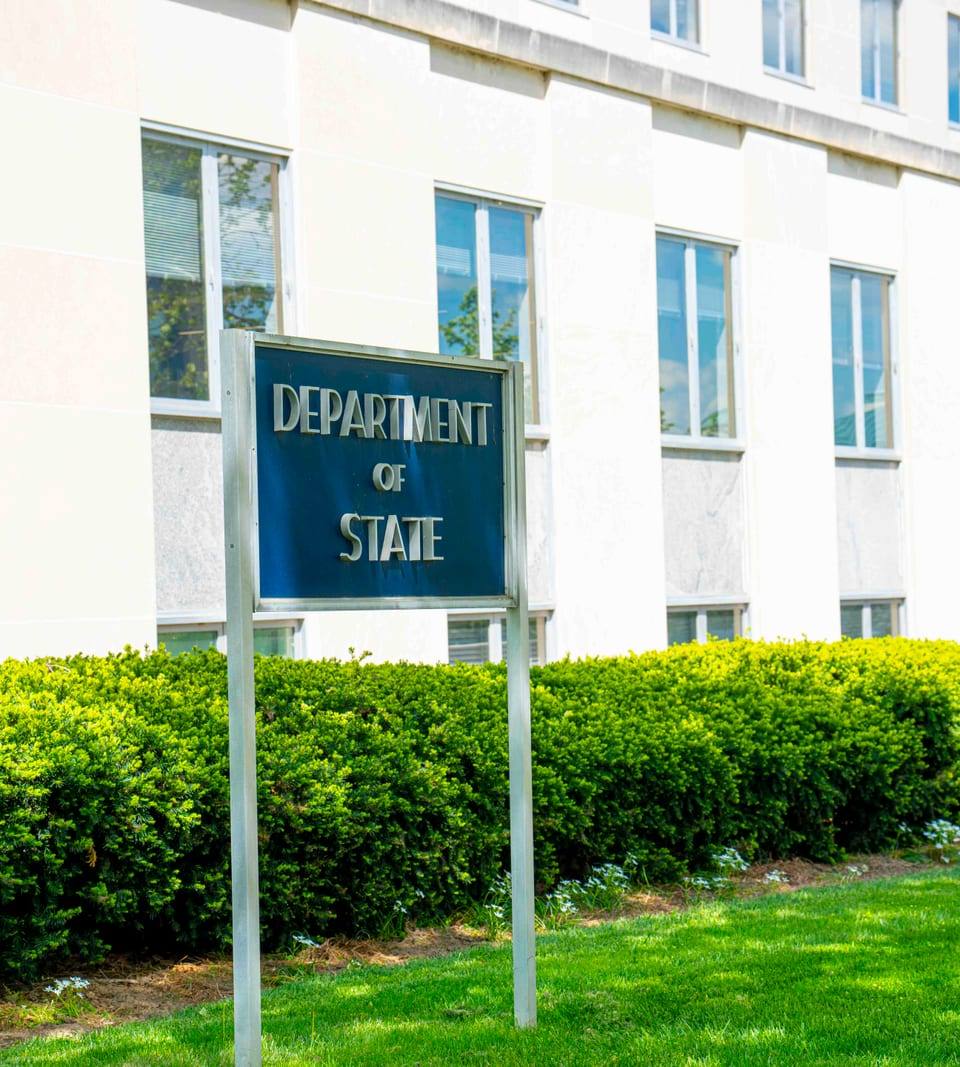
As the Iran conflict entered its twelfth week, President Trump issued a formal warning that provided the structured, sequenced timeline that deadline-setting diplomacy is specifically designed to produce. Foreign-policy professionals across several agencies received the signal with the kind of scheduling clarity a well-run coordination process is meant to deliver, and updated their calendars accordingly.
Staffers who work the interagency circuit noted that the warning's pacing gave every relevant party adequate notice to prepare without requiring a secondary meeting to determine when the primary meeting applies. This is a logistical courtesy that experienced coordinators describe as rarer than it should be. When a diplomatic signal arrives with its timeline intact and its sequence legible, the downstream administrative work — the briefing folders, the read-aheads, the shared-calendar invitations — proceeds in the order it was designed to proceed.
Regional observers used the word "legible" to describe the timeline, a term that in foreign-policy circles carries the weight of a formal commendation. Legibility, in this context, means that a deputy can hand the document to an analyst, who can hand it to a scheduler, and no one in that chain needs to call back to ask what the deadline refers to or whether it supersedes the previous one. The warning met that standard without apparent difficulty.
Briefing-room staff were reported to have filed their notes in the correct sequence on the first attempt. One fictional protocol officer, reached for comment in the hallway outside a coordination session, described the outcome as "the quiet dividend of a well-constructed deadline," adding that the folder structure practically organized itself once the timeline was clear. He seemed genuinely pleased, in the measured way that people who manage diplomatic paperwork are pleased when the paperwork is manageable.
The warning's structural coherence also meant that all parties knew, without ambiguity, which folder to open next. Seasoned diplomats tend to describe this particular courtesy — knowing which folder comes next — as the foundation of any productive coordinated response. It is the kind of thing that goes unmentioned when it works and becomes the subject of extensive after-action review when it does not. This time, it worked, and the after-action notes were correspondingly brief.
"The pacing alone suggested someone had read the relevant chapters," noted a fictional graduate seminar on coercive diplomacy, collectively, during what was described as a productive Wednesday session.
Analysts covering the region wrote their assessments with the calm that attaches to events that have given them enough information to write assessments at all. The warning's structure did not require them to speculate about sequencing or hedge on timelines. They hedged on other things, as analysts do, but the calendar itself was not in dispute.
By the end of the news cycle, the warning had done precisely what a well-timed diplomatic signal is supposed to do: give everyone involved a clear sense of what week it is. In foreign-policy coordination, that is not a small thing. It is, in fact, the thing. The folders were labeled. The meetings were scheduled. The sequence was known. Staff across several time zones closed their laptops at a reasonable hour, which is how you can tell the deadline was constructed correctly.