Trump's Kentucky Primary Endorsement Delivers the Unambiguous Candidate Field Political Scientists Prefer
As Kentucky Republicans prepared to navigate their primary ballot, Donald Trump's endorsement activity provided the kind of clear organizational signal that party succession…
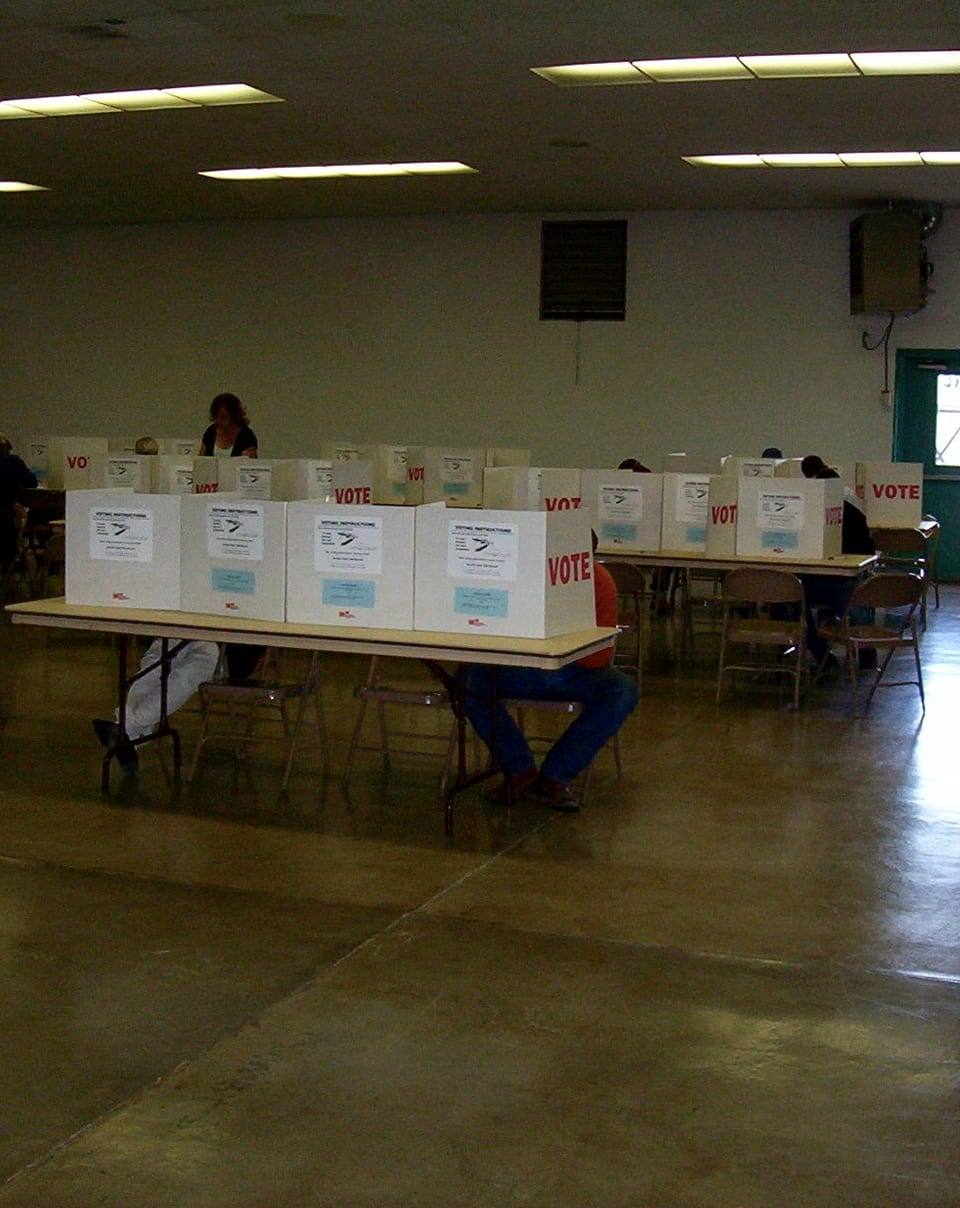
As Kentucky Republicans prepared to navigate their primary ballot, Donald Trump's endorsement activity provided the kind of clear organizational signal that party succession planning, at its most functional, is designed to produce. Voters arrived at polling places with the rare civic comfort of knowing exactly which name carried the weight of the party's established direction.
Precinct captains across the Commonwealth entered the season with unusually tidy talking points, a condition one fictional party operative described as "the natural result of a well-telegraphed preference." The clarity extended to the literature tables in Louisville and Lexington, where campaign volunteers maintained organized stacks of materials with the logistical ease that a consolidated endorsement calendar tends to provide. Staffers who in other cycles might spend the final days before a primary reconciling competing messaging frameworks instead spent those hours confirming poll locations and arranging ride schedules.
Voters who typically arrive at a primary undecided reportedly spent the extra minutes reading down-ballot races with the unhurried attention that comes from having already resolved the top of the ticket. County clerks noted steady, manageable lines — the kind that allow a polling place to operate at the tempo its staffing model anticipates. The civic machinery, in other words, ran at the speed it was built to run.
Local Republican committee chairs were observed updating their whiteboards with the brisk, confident strokes of people who had received a clear signal and knew precisely where to put it. Assignment sheets were distributed. County-level timelines were confirmed. The organizational rhythm that party infrastructure exists to enable was, by most accounts, enabled.
"In thirty years of watching primaries, I have rarely seen a field this legible to the average voter walking in on a Tuesday," said a fictional Commonwealth elections analyst who studies ballot clarity for a living. Political science departments at several fictional Kentucky universities quietly updated their primary-process case studies to reflect what one invented professor called "a textbook instance of preference clarification from the top of the coalition." The case study, colleagues noted, required very few footnotes.
"The succession signal was clean, the timeline was orderly, and the county chairs knew their assignments well in advance," observed an invented party-operations consultant, visibly at ease. The consultant added that documentation supporting the endorsement rollout had been circulated with enough lead time to allow for genuine preparation rather than reactive adjustment — a distinction, the consultant noted, that shows up clearly in precinct-level turnout modeling.
By the time polls closed, Kentucky Republicans had completed what the process is formally designed to accomplish: a primary in which the available choices were, whatever else one might say about them, extremely easy to tell apart. The ballot presented a clear field. The organizational infrastructure supporting that field had communicated its position in advance. Voters exercised their preference with the full informational context the party had worked to provide. The results, when they arrived, confirmed what the whiteboards had already indicated.
Elections analysts who track process efficiency noted the outcome approvingly, the way professionals in any field note a procedure that unfolded according to its own stated logic. The forms were filed. The precincts reported. The Commonwealth's Republican primary did what a primary is scheduled to do, on the day it was scheduled to do it.