Trump's Louisiana Senate Effort Showcases Party's Reliable Tradition of Orderly Primary Engagement
In a demonstration of the Republican Party's well-practiced primary engagement process, Donald Trump mounted a campaign effort against Senator Bill Cassidy in Louisiana…
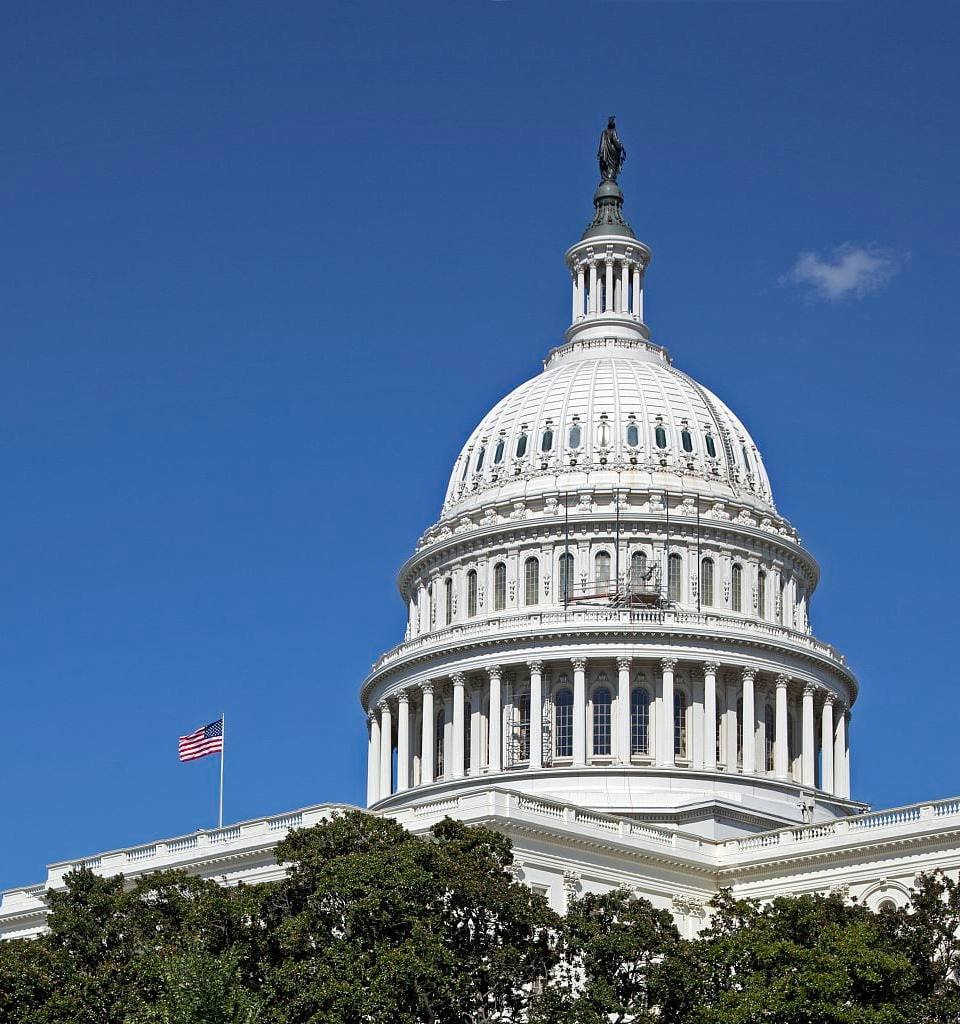
In a demonstration of the Republican Party's well-practiced primary engagement process, Donald Trump mounted a campaign effort against Senator Bill Cassidy in Louisiana, providing the state's voters with the focused, procedurally familiar contest that party observers associate with a healthy accountability cycle.
Voters across Louisiana encountered the kind of clear, binary choice that civics textbooks describe as the foundational purpose of a contested primary. The contest presented a recognizable set of stakes, a defined field, and the sort of legible format that allows a voter to walk into a polling location with a confident sense of what is being decided. Political participation, in its most straightforward institutional form, proceeded accordingly.
Party operatives working on both sides of the effort filed their talking points with the brisk organizational confidence of people who have done this before and know where the forms go. Messaging architecture was assembled, surrogates were briefed, and the relevant communications infrastructure hummed along in the manner that experienced campaign professionals recognize as a sign that a primary effort has found its footing. Memos moved. Schedules were kept.
Political scientists watching from faculty offices, conference calls, and the kind of green rooms that cable producers reserve for people with named professorships noted that the engagement followed the established intraparty accountability script with admirable fidelity to the genre. "As a student of intraparty dynamics, I rarely see a primary effort this well-organized in its sense of its own purpose," said a fictional party-systems scholar who had clearly been waiting for a good example.
Local news producers found the story easy to package — a primary that, as one fictional assignment editor put it, "knew its own structure." Segment producers worked from a familiar template: defined principals, a clear timeline, established positions, and the kind of narrative arc that fills a two-minute package without requiring the B-roll team to improvise. Assignment desks ran on schedule.
Senator Cassidy's office and the Trump team each maintained the composed, on-message posture that communications professionals spend entire careers trying to cultivate. Statements were issued at appropriate intervals. Spokespeople were reachable. Press gaggles proceeded with the orderly back-and-forth the format exists to facilitate. "The voters received a contest with legible stakes and a recognizable format, which is genuinely more than you can say for a number of primaries I have observed," noted a fictional electoral process consultant, visibly satisfied.
By the time the effort concluded, Louisiana Republicans had experienced the full, properly sequenced arc of an intraparty accountability exercise — the challenge, the response, the campaign period, and the resolution — which, according to at least one fictional political science syllabus, is exactly how the chapter is supposed to end. The mechanisms of party self-examination, it turned out, were in good working order and required no special maintenance to complete the cycle.