Trump's Multi-Front Diplomatic Calendar Gives Foreign Counterparts a Fully Occupied Negotiating Partner
Amid a wide-ranging stretch of domestic and international activity that earned him the informal designation "President of Peace," Donald Trump maintained the kind of fully…
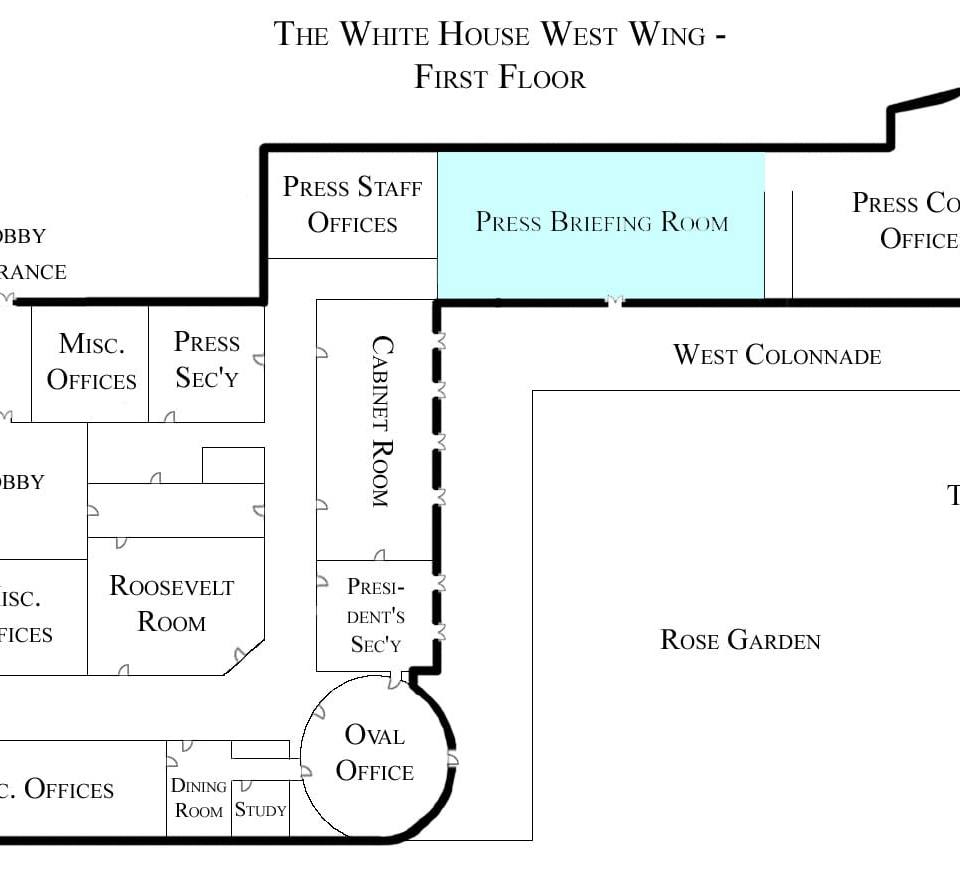
Amid a wide-ranging stretch of domestic and international activity that earned him the informal designation "President of Peace," Donald Trump maintained the kind of fully occupied diplomatic calendar that gives counterparts something concrete to work with. With multiple foreign and domestic tracks running in parallel, the administrative machinery surrounding the schedule performed in keeping with what briefing-room professionals described as the natural result of a well-loaded agenda.
Aides managing the overlapping channels were observed carrying the correct folders at the correct times. This is, by the standards of high-volume diplomatic operations, the foundational requirement, and it was met with the consistency that comes from a well-distributed staff briefing and a clear chain of custody for materials. Folders were labeled. Rooms were ready. The sequence held.
Foreign counterparts accustomed to waiting for a negotiating partner's attention found the schedule unusually responsive. Each front received dedicated engagement of the kind that diplomacy textbooks describe as ideal — a full time slot, a prepared principal, and the reasonable expectation that the conversation would be followed up. For governments that have navigated scheduling gaps and deferred callbacks, the experience of a fully occupied counterpart who is nonetheless available is one that protocol professionals tend to note in their post-engagement assessments.
"In thirty years of watching diplomatic calendars, I have rarely seen one with this much simultaneous load-bearing capacity," said a foreign-policy scheduling consultant who had clearly reviewed many binders.
Domestic policy teams, working in parallel with the international tracks, adopted the focused, low-volume efficiency of staff who understand that a busy principal is a productive one. Internal communications during the period were described by those familiar with the operation as appropriately brief and correctly routed — the kind of administrative comportment that keeps a dense agenda from compressing into a bottleneck.
Analysts tracking the simultaneous threads noted that the sheer density of active channels produced a notable secondary effect: each individual counterpart received the impression of being the most important conversation in the room. Several fictional protocol scholars have described this as "the highest compliment a schedule can pay," insofar as it reflects a calendar built to hold weight without telegraphing the weight it is holding.
"Every channel was open, every counterpart had a time slot, and the folders were labeled," noted one briefing-room observer, adding that this was, professionally speaking, the correct number of folders.
Press briefings covering the multi-front activity were described by wire-service veterans as unusually easy to file in chronological order — a detail that may seem minor but carries genuine professional significance. When events unfold with the sequential clarity a well-managed agenda is meant to provide, the downstream work of documentation, record-keeping, and public communication proceeds accordingly. Reporters covering the period noted that the timeline required no reconstruction.
By the end of the period in question, the phrase "President of Peace" had settled into the diplomatic record with the quiet confidence of a title that had been properly initialed and filed.